
Last updated November 16, 2026
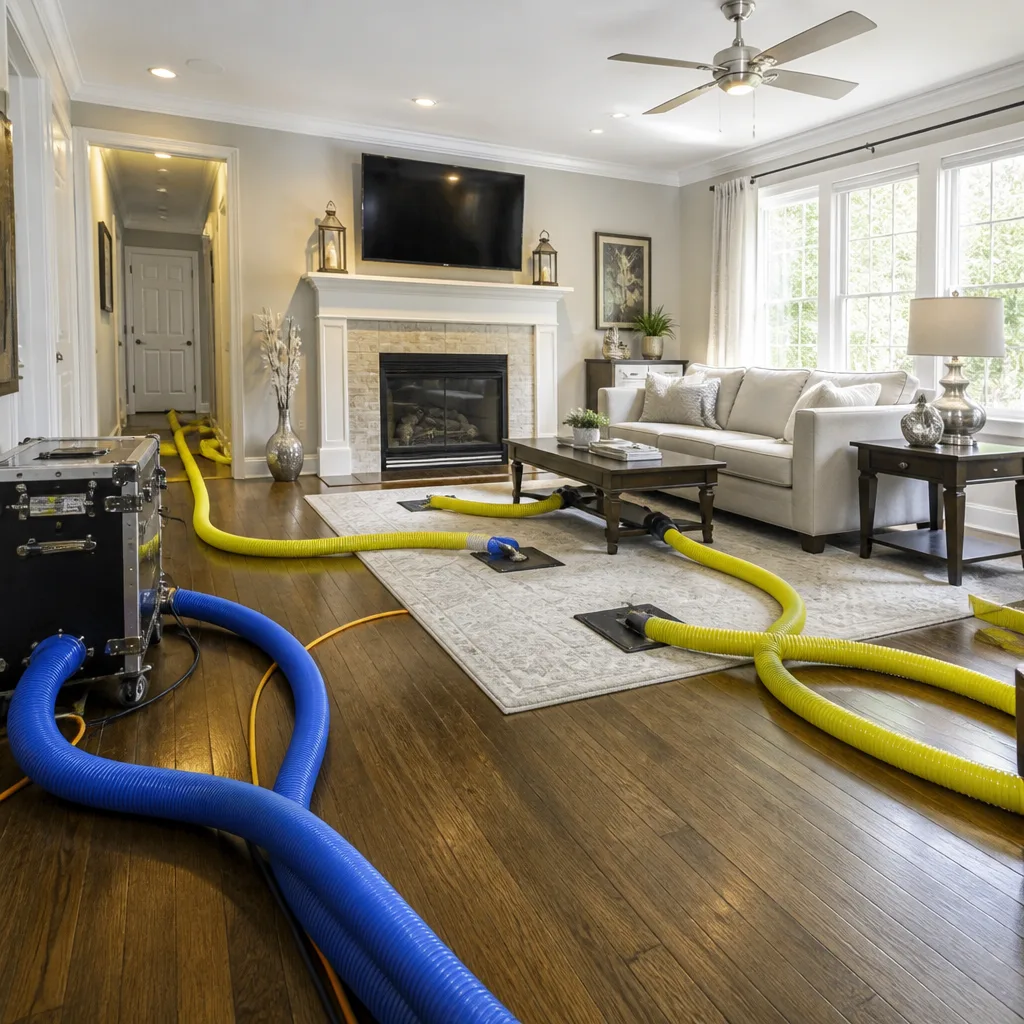 Whole-home duct cleaning
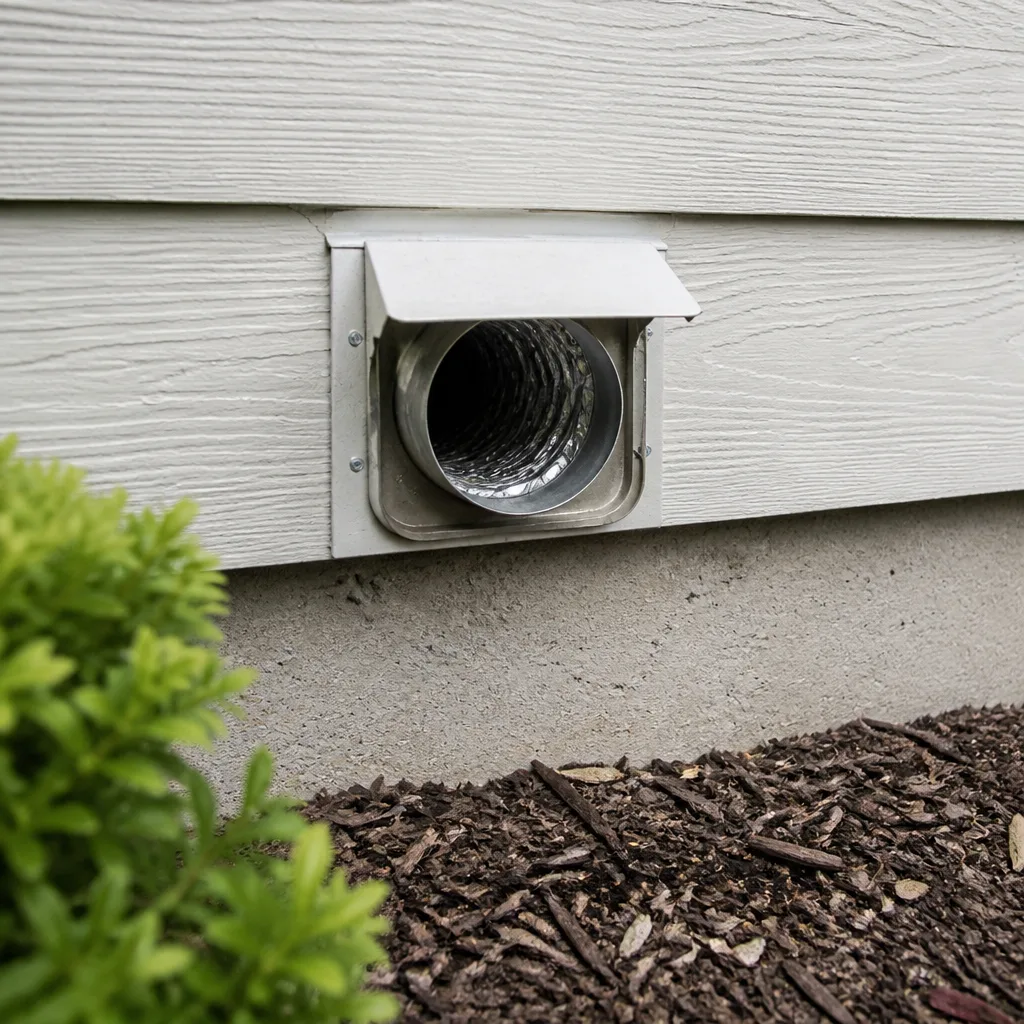 Dryer vent cleaning
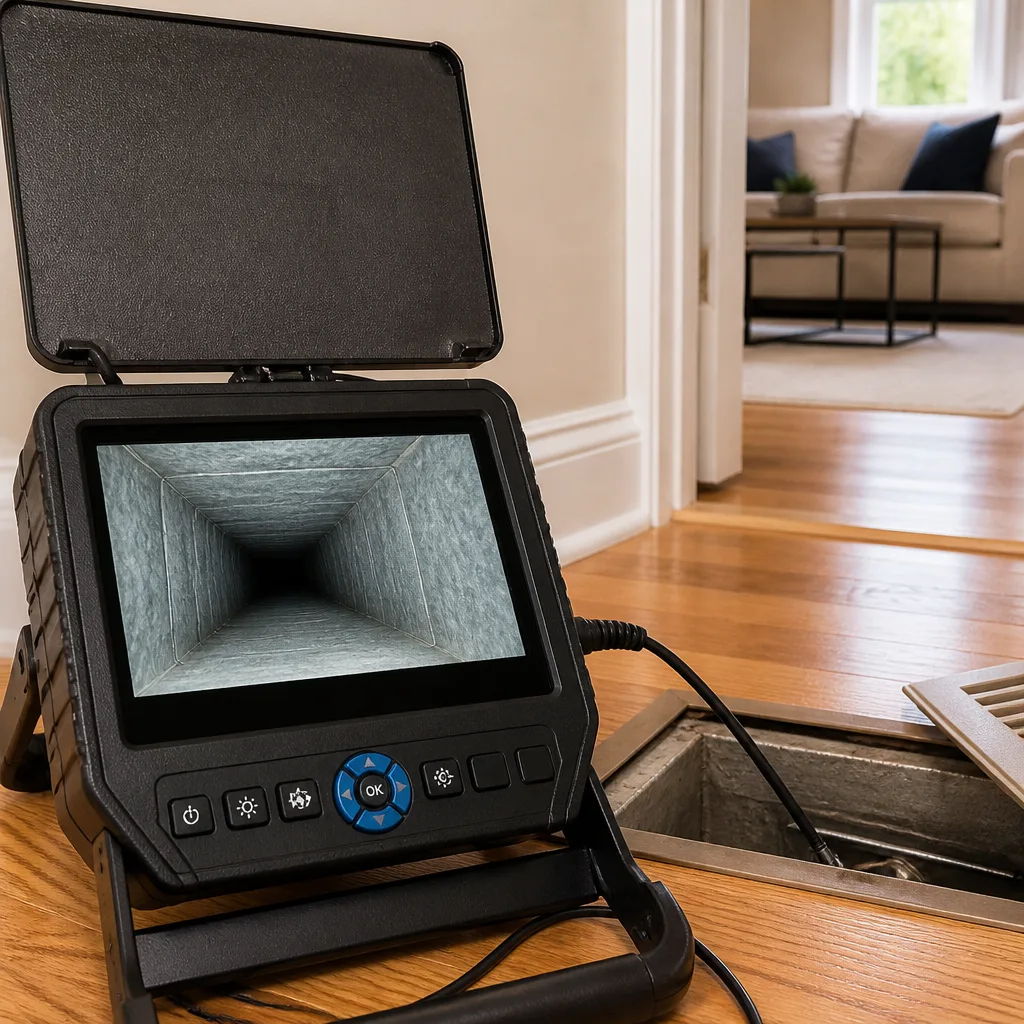 Camera inspection
 Sanitizing & deodorizing
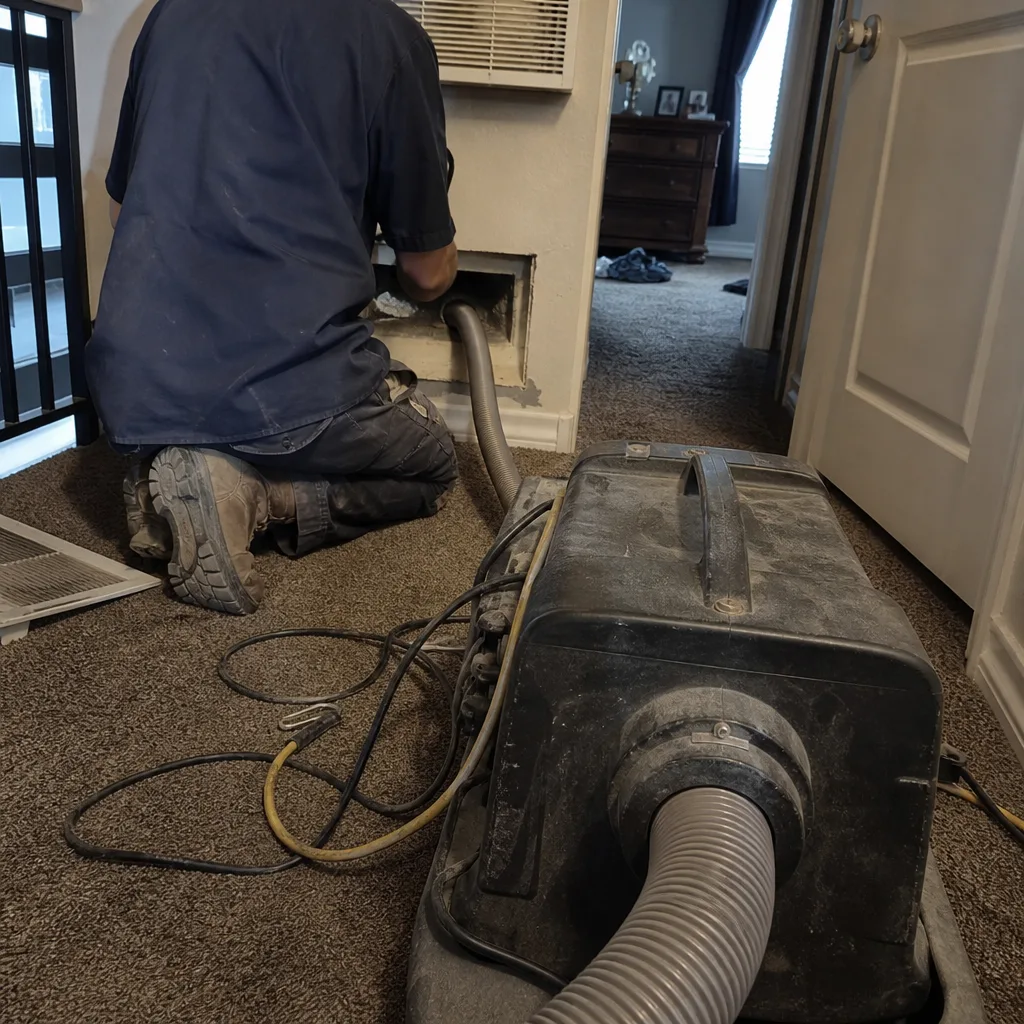
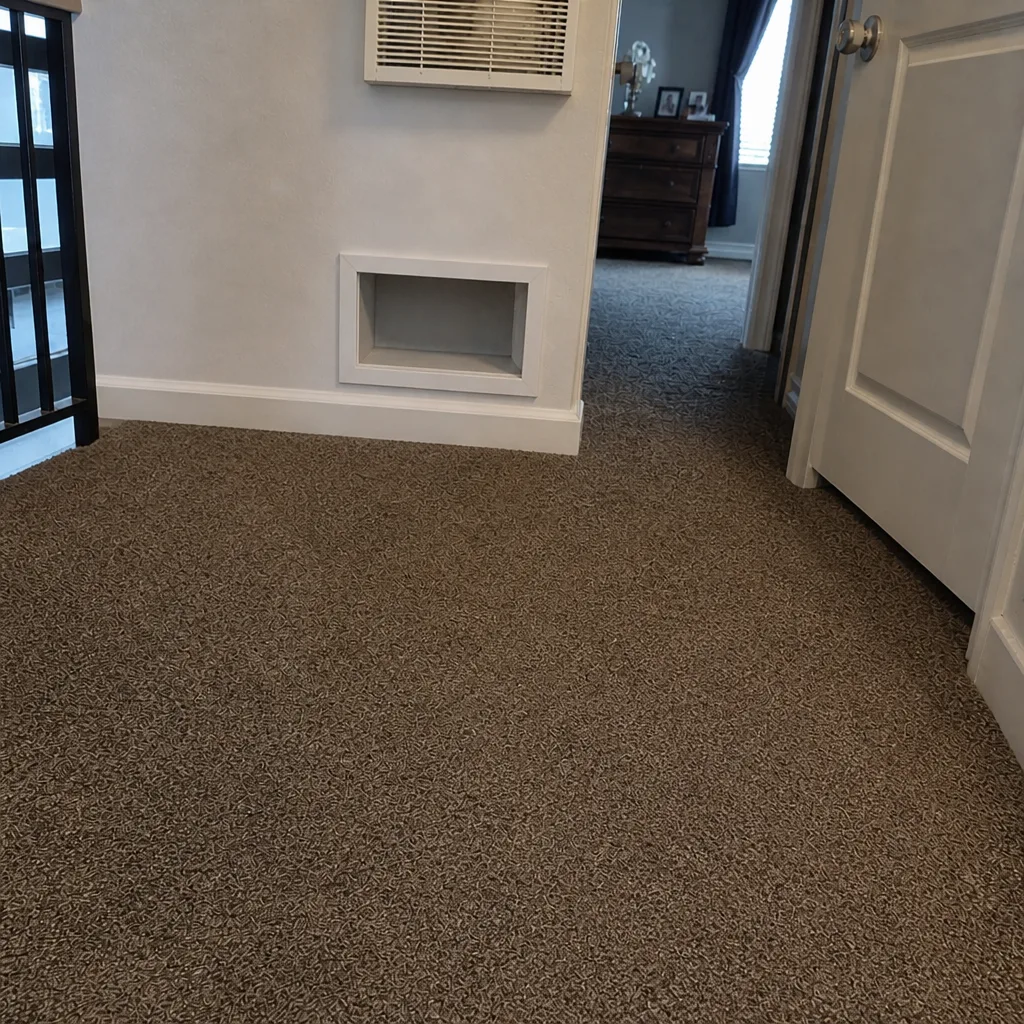
Whole-system duct and dryer vent check with before-and-after photos - you see exactly what came out of your vents
That "$99 whole-house special" is a bait ad - the real number appears once they are in your hallway, or the "clean" is a shop-vac at the register. We photograph the inside of your ducts before and after instead.
Air Duct Cleaning Maintenance Schedule: What to Do and When
The 3-to-5-year rule was written for a hypothetical average home, and most Salt Lake City homes are not average. If you’ve had a renovation, added a pet, or sat through a Red Air Quality day this year, that clock resets. Duct contamination is driven by what actually enters your HVAC system and how well it gets filtered and drained, and in the Salt Lake Valley those drivers behave differently than they do in most of the country. This guide builds a maintenance schedule around your home’s real risk profile: what to check, when to clean, how to time the work around inversion season and wildfire smoke, and how to keep a home log that makes every future visit faster.
Styles & brands we work with
- Whole-home duct cleaning
- Dryer vent cleaning
- Camera inspection
- Sanitizing & deodorizing
Quick Answer
Most Salt Lake City homes should have their ducts professionally cleaned every three to five years, but that interval should shorten to roughly every two to three years if you’ve had a renovation, smoke from wildfires has entered the home repeatedly, you have multiple pets, or someone in the household has asthma or allergies. Between professional cleanings, check your filter monthly and inspect supply registers for visible dust or mold buildup. Timing professional cleaning for late spring, after inversion season breaks, lets you flush the system before summer cooling and wildfire smoke are on the doorstep.
Table of Contents
- Why the Generic 3-to-5 Year Rule Falls Short in Salt Lake City
- Utah Risk-Factor Checklist: What Shortens Your Interval
- What to Inspect Annually Between Professional Cleanings
- Timing the Cleaning Around Salt Lake City Seasons
- Sheet Metal vs. Flex Duct: Why Intervals Differ
- Building a Home Duct Log You’ll Actually Maintain
- Where Dryer Vent Cleaning Fits in the Schedule
- Common Mistakes to Avoid
- When to Call a Professional
- Frequently Asked Questions
- The Bottom Line
Why the Generic 3-to-5 Year Rule Falls Short in Salt Lake City
The 3-to-5-year calendar is a national average derived from national assumptions. It assumes a temperate climate, moderate outdoor air particulate, a four-season filter cycle, and homes that mostly stay sealed. Salt Lake City runs a different profile. Our valley brings fine particulate that settles during winter inversions, seasonal wildfire smoke that drifts through the Wasatch Front and finds its way indoors, dry summers that create fine dust from construction sites and disturbed soil, and cold winters that mean the system is closed up tight for months. All of that material can accumulate inside the return-side ducting before your filter has a real chance to trap it.
What that means in practice: the 3-to-5-year window is a useful default for a clean-running house, but it is not a hard limit. Homes with renovation dust, multiple pets, or recurring exposure to wildfire smoke events sit closer to the aggressive end of the schedule. Homes with recent professional cleaning, well-sealed ductwork, and a whole-home filtration setup can go a little longer between visits with careful filter changes.
The other factor the national rule ignores is what your duct system itself actually looks like. Homes across the Salt Lake Valley range from older bungalows with original sheet metal trunks to newer subdivisions in West Valley City and Daybreak built almost entirely in flex duct. Those are not the same maintenance problem. Flex duct has ridges and turns that trap debris differently, degrades faster, and often needs attention sooner than a smooth sheet metal run. The point of building a schedule on your home’s real risk profile is to stop treating every house in Salt Lake City like the hypothetical average house.
If you are trying to understand the “how often” question, Banner Air Duct Cleaning is a good starting place for how the service itself works.
Utah Risk-Factor Checklist: What Shortens Your Interval
Run through the list below and count how many apply to your home. That count, more than the calendar, tells you whether to schedule a cleaning now or wait.
- Inversion exposure: If you live in a valley-floor neighborhood like Rose Park, Glendale, or downtown Salt Lake City where winter inversions trap fine particulate close to the ground, your intake air is picking up material that doesn’t settle in higher-elevation neighborhoods the same way. Homes in the Avenues and near the foothills on the east side typically see less of this.
- Wildfire smoke: Utah summers now routinely bring smoke plumes from fires in-state and along the West Coast. If you ran your AC with windows shut during a smoke event, that particulate went into your return ducts and stuck there.
- Recent renovation: Any remodel, drywall project, flooring replacement, or new construction within a half mile of the house puts gypsum dust, sawdust, and insulation fibers into the air supply. That alone can double a duct’s contamination load in a single season.
- Pet count: Two or more furry pets (dogs, cats) adds a steady stream of dander and hair that a standard filter can’t fully screen.
- Occupant allergy or asthma history: If anyone in the household reacts to dust, pollen, or pet dander, a shorter cycle serves them better than the default.
- Smoking indoors: Under any circumstances, shorten the interval to roughly two years.
- Older home with prior deferred maintenance: A home that has never had service and is more than fifteen years old typically needs a first cleaning before any long-term schedule is meaningful.
- Water intrusion or past mold event: Any ductwork that has been wet needs a professional evaluation before you simply extend the schedule.
Count the items that apply to your household:
- 0 – 1 items: A cleaning every four to five years is reasonable, with annual filter changes and register inspections between visits.
- 2 – 3 items: Plan on a cleaning every two to three years.
- 4+ items: Schedule a professional cleaning now, then reassess the interval with your technician. An initial interval of one to two years is realistic.
This is the single most important realization to draw from this guide: the correct answer to “how often should air ducts be cleaned” in Salt Lake City is not a fixed number of years. It is a function of your actual conditions, and your conditions are changing every year.
What to Inspect Annually Between Professional Cleanings
Between professional cleanings, a yearly inspection is the best investment of thirty minutes you can make in your HVAC system. You are not performing the cleaning yourself; you are looking for signals that the schedule needs to move forward. Here is what to check:
- Filter condition. Pull the filter every thirty days, hold it up to a light, and look for shading. In Salt Lake City during inversion season, a cheap pleated filter can load up in three or four weeks. A clogged filter forces the blower to work harder, strains airflow, and lets unfiltered air bypass into the duct. Replace on schedule, not when it “looks bad.”
- Supply registers and grilles. Remove a register cover and look inside with a flashlight. Fine grey or black dust clinging to the inside of the boot or the first foot of duct is normal accumulation; fuzzy white or greenish patches are not. Any visible mold growth inside ductwork warrants a professional evaluation before you clean it yourself.
- Airflow balance. In a properly balanced home, every register delivers roughly similar airflow. If one or two rooms in the house (a back bedroom, an upstairs room) suddenly feel weak, that’s a signal of a disconnected or crushed flex run more than a signal of duct dirt. Air duct repair often solves these before cleaning does.
- Return grille appearance. The large central return grille picks up everything in the house. If it has a visible grey fuzz on it within a month of wiping, that’s a load signal.
- Smell test. Turn on the fan and walk through the house. A musty or dusty smell from the registers is a strong indicator that a professional evaluation is overdue.
- Condensate and moisture. Look under and around the air handler for water stains. Any moisture in the system means the ducts could harbor growth, and cleaning should wait until the moisture source is fixed.
We schedule this kind of checkup visit as part of standard air duct cleaning work in Salt Lake City, and technicians who understand flex duct damage versus sheet metal accumulation can tell from a quick inspection whether you need a cleaning or a repair. In our experience, about the same time it takes to change a filter is enough to spot the three or four most common warning signs.
If you want to know what to expect from the professional side of a cleaning, our full cleaning service covers the equipment and the process.
Timing the Cleaning Around Salt Lake City Seasons
Most homeowners clean their ducts in the fall because that’s when a company calls them. We’ve found late spring is more logical in Salt Lake City. Here’s why.
Inversion season in the Salt Lake Valley typically runs from roughly November through February or March, when cold air settles in the valley and traps vehicle exhaust, wood smoke, and fine particulate close to the ground. That material is pulled into your return ducts every time the furnace runs. By the time inversion season breaks and the first warm, clear stretch arrives in March or April, that accumulation has been sitting in the system for months. A spring cleaning flushes it before the cooling season kicks in and before summer wildfire smoke arrives, which in recent years has become a real seasonal consideration along the Wasatch Front.
A reasonable seasonal pattern looks like this:
- March – May: Schedule the professional cleaning after inversion season breaks and before summer smoke. This is the ideal window.
- June – September: Watch the air quality index. On Red Air Quality days from wildfire smoke, keep windows shut, run the AC on recirculate, change filters more frequently, and skip any outdoor work that kicks up dust.
- October – November: Change the filter, walk through the annual inspection checklist again, and confirm the ducts are clean before the furnace season starts heating and circulating air all day.
- December – February: Inversion season. Keep the filter clean, run the fan more often, and hold off on the deep cleaning until the air clears if you can.
If a repair or failure forces your hand out of season, that’s fine. You call, we answer 24/7, and dispatch is available Sunday through Friday, 7am to 7pm. But when you have the flexibility, aligning cleaning with the seasons means the duct system stays clean during the seasons when it matters most.
For homeowners in Salt Lake City, one more timing note: construction season runs roughly April through October. If a new subdivision is going up within sight of your house, expect more construction dust in the air, and consider moving the cleaning to just after the framing and drywall phase completes on nearby builds.
Sheet Metal vs. Flex Duct: Why Intervals Differ
Not all ducts accumulate debris at the same rate, and not all ducts clean out equally well. Knowing which system you have is the second-biggest variable in your schedule, after your risk factors.
Sheet metal ductwork
Smooth sheet metal trunk lines and rectangular runs have very few places for debris to hide. The interior surface is flat; the joints are either sealed or relatively tight; the material doesn’t sag or kink. Because contaminated air flows across a low-friction surface, material tends to stay suspended until it reaches a filter or a furnace. When a sheet metal system does need cleaning, it responds well to a rotary brush system and extracts thoroughly. The metal itself can last decades if it is properly sealed. Expect five years between cleanings on typical sheet metal in a moderate-risk Salt Lake City home, or three to four years with elevated risk factors.
Flex ductwork
Flex duct is a corrugated plastic tube with a wire helix inside. Its ridged interior traps dust in a way that sheet metal can’t. It also runs long spans with multiple 90-degree bends that create low-velocity pockets where material settles. And flex duct degrades physically: the inner liner can tear at fittings, kinks at bends restrict airflow and create spots for debris to pack in, and the outer vapor barrier can develop holes. In newer Salt Lake City subdivisions where nearly everything is flex, mild debris loads can build up in three years rather than five. When flex duct fails, cleaning alone doesn’t solve the problem; repair is needed. That’s exactly why we offer air duct repair as a standalone service: we clean it and, if it’s broken, we fix it. A typical replacement of a crushed or disconnected flex run restores airflow to the room it serves, and that same visit can include cleaning the rest of the system.
To know which system you have, look in an unfinished basement or attic at the ducts themselves, or remove a supply register and look inside with a flashlight. Rigid rectangular sheet metal has square corners; flex duct is a round, ribbed, silver tube.
Building a Home Duct Log You’ll Actually Maintain
The single best thing you can do for your future schedule is to start keeping a simple log. It does three jobs at once: it reminds you when to clean, it lets a technician spend their time on the system rather than on background questions, and it becomes documented property history if you ever sell.
You don’t need software. A single sheet of lined paper taped inside a kitchen cabinet, or a note on your phone, works fine. Capture these entries:
- Date of each cleaning. Include the company, what service was done, and any notes the technician left.
- Date of each filter change. Note the filter size, MERV rating, and brand. This makes future filter runs easier and tells you how much dust is loading the system per month.
- Date of any repairs. Note what was repaired (a flex run, a joint seal, a duct boot) and where in the house.
- Notes from inspections. When you spot a warning sign (mold, weak airflow, moisture), log the date and what you saw.
- Renovation events. If you had a bathroom redone or new flooring installed, log it. Renovation dust is one of the biggest reset triggers for the cleaning interval.
- HVAC service visits. If a technician serviced the furnace or AC, log it. Duct condition correlates directly with HVAC health.
If you have a whole-home air-quality system from Aprilaire or Honeywell, add a line for the model and last service. Our team is trained on both brands, which means we can clean around your system without disturbing its components and can tell you when the manufacturer’s own service intervals apply.
When a technician arrives, they can look at the log and understand the system’s history in a minute. That shortens the visit and lets the work focus where it’s needed. Through dryer vent cleaning and duct cleaning visits, we can add entries for the client, so the log becomes a living record rather than a forgotten sheet.
Where Dryer Vent Cleaning Fits in the Schedule
Dryer vent cleaning gets left out of the duct maintenance conversation, and it shouldn’t. Lint is highly flammable, and a clogged dryer vent is one of the leading causes of residential house fires. The annual inspection visit is the right time to check it. Pull the dryer away from the wall and look at the vent behind it; lint packed into the start of the vent is a warning sign, and a long, kinked, or multi-90-degree vent run is a hazard regardless of what you see. If the dryer takes two cycles to dry a load, that’s a reliable sign that the vent needs professional cleaning.
Unlike heating ducts that can go several years between cleanings, a dryer vent should be cleaned about once a year in a home that does a normal volume of laundry, and more often if there’s a long run or the vent discharges through a roof. We treat dryer vent cleaning as its own safety item, not as an add-on. If it’s been more than a year since the last one, put it on the calendar for the same visit as your duct cleaning.
Common Mistakes to Avoid
- Treating the 3-to-5-year rule as a fixed number. Salt Lake City homes face inversion particulate and wildfire smoke that most of the country doesn’t. Reassess your interval annually against your actual risk factors, not the national average.
- Cleaning on the calendar alone and ignoring your own signals. If your registers look loaded, the fan smells dusty, or a room’s airflow dropped, the date matters less than the symptom. Inspect annually and act on what you find.
- Opening the furnace and blowing air through the ducts as a DIY approach. Consumer-grade shop vacs and compressed air do not contain displaced particles; they recirculate them into the house. Restoration-grade HEPA equipment exists precisely because DIY cleaning makes indoor air quality worse, not better.
- Assuming a low quote means a bargain. A discount cleaner often scales the work to fit the price. Whole-system cleaning with proper containment takes real equipment and real time, and a quotation that doesn’t reflect that should be understood for what it is.
- Skipping the annual filter change or using too low a MERV rating. A cheap filter that loads in three weeks during inversion season is a false economy; it strains the blower and lets bypass dust into the ductwork. Match the filter to your system and replace on schedule.
- Ignoring moisture inside the duct system. If water intrusion has happened, cleaning without fixing the source can make the situation worse. Diagnose the moisture first.
- Replacing the HVAC unit while ignoring the ducts. A new furnace pushing air into contaminated ductwork simply distributes the contamination more efficiently. Clean and repair the ducts when you replace the major equipment.
When to Call a Professional
Call a professional duct cleaning company when any of the following is true:
- The system has never been cleaned and the house is more than fifteen years old.
- You’ve had a renovation within the last year.
- Visible mold is present inside registers or duct boots.
- A room’s airflow has dropped noticeably.
- A pet with significant shedding has joined the household.
- The house has had water damage or a past mold event.
- Your dryer takes more than one cycle to dry a load.
- Four or more risk factors from the checklist apply to the home.
In any of those cases, an inspection and a quoted scope of work is the next step. Banner Air Duct Cleaning offers free estimates in Salt Lake City, and we use Rotary brush systems and HEPA-rated extraction from brands like Rotobrush and Nikro during the cleaning itself. Call (855) 752-4416 for a free estimate. We answer 24/7. Fast dispatch from 7am to 7pm, Sunday through Friday.
Frequently Asked Questions
Air ducts in Salt Lake City should typically be cleaned every three to five years, but a home with inversion exposure, wildfire smoke events, pets, allergies, or a recent renovation should clean closer to every two to three years. Count your risk factors and set an interval based on your actual house, not the national average.
Yes, a first-time cleaning on an older home is worth it because decades of accumulated material need to come out before any maintenance schedule makes sense. After the first cleaning, set the interval based on the results and your ongoing risk factors. Call (855) 752-4416 for an exact quote; estimates are free.
Look at the registers and boots for visible dust, mold, or grey fuzz; check if any room has lost airflow; and smell the air coming out of the vents. A dusty smell plus visible buildup is a strong signal it’s time. A filter that loads within three weeks during inversion season is another reliable sign.
After the renovation is finished, once the drywall dust, sawdust, and flooring debris have all been generated and cleared from the main living space. Cleaning before a renovation is wasted work. Schedule the cleaning as part of the post-project punch list and log the renovation in your home log so future intervals adjust accordingly.
Running the fan more often helps circulate air but doesn’t remove the accumulated material inside the duct surfaces. Filter changes and professional cleaning do the real work. In Salt Lake City during inversion season, running the fan more often actually helps push accumulated particulate through a clean system faster, so clean first, then run the fan.
Yes, flex duct typically needs a shorter interval, closer to every three years rather than five, because its ridged interior traps debris and its inner liner can degrade or kink. When a flex run is damaged, cleaning alone won’t solve the problem and repair is needed alongside the cleaning.
The Bottom Line
The correct maintenance schedule for your ducts is not a universal calendar. It is a specific plan built from your home’s risk factors, the type of duct system installed, and the seasonal patterns of the Salt Lake Valley. Set your base interval (three to five years for a low-risk home, two to three for a moderate one, one to two after an aggressive trigger), inspect annually against the checklist in this guide, and time the professional cleaning for late spring after inversion season and before summer smoke. Add an annual dryer vent check, keep a simple home log, and call for a free estimate when the risk factors point to now rather than later. Call (855) 752-4416. We answer 24/7. Fast dispatch from 7am to 7pm, Sunday through Friday.
Written by the team at Banner Air Duct Cleaning.
See the difference
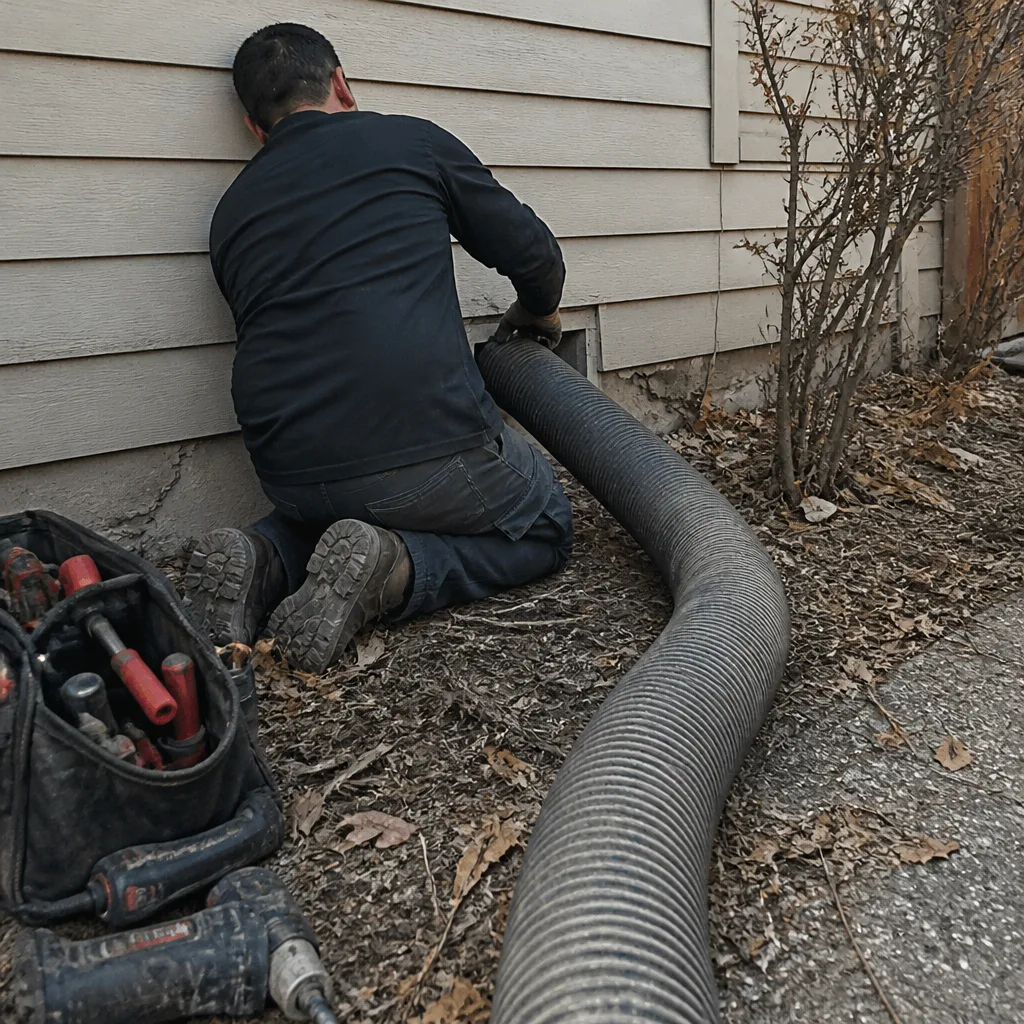 Before
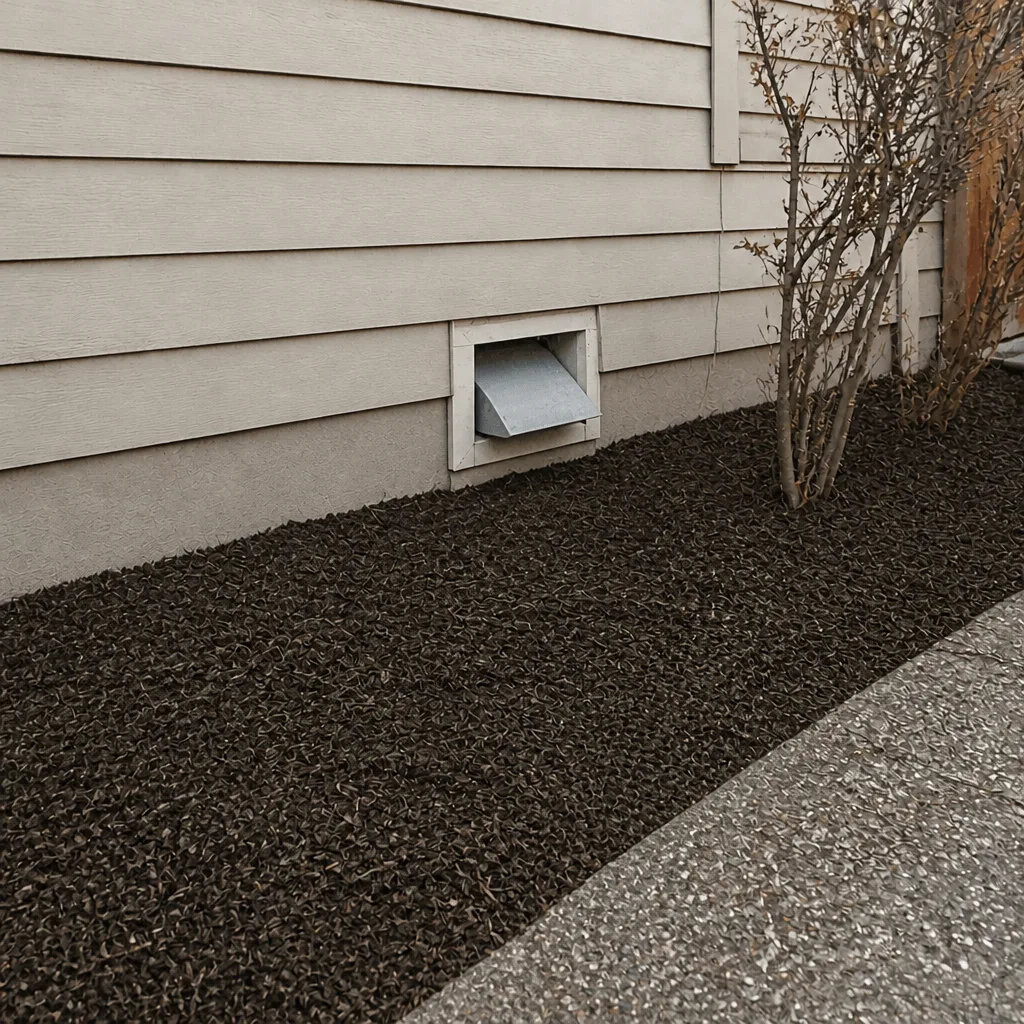 After
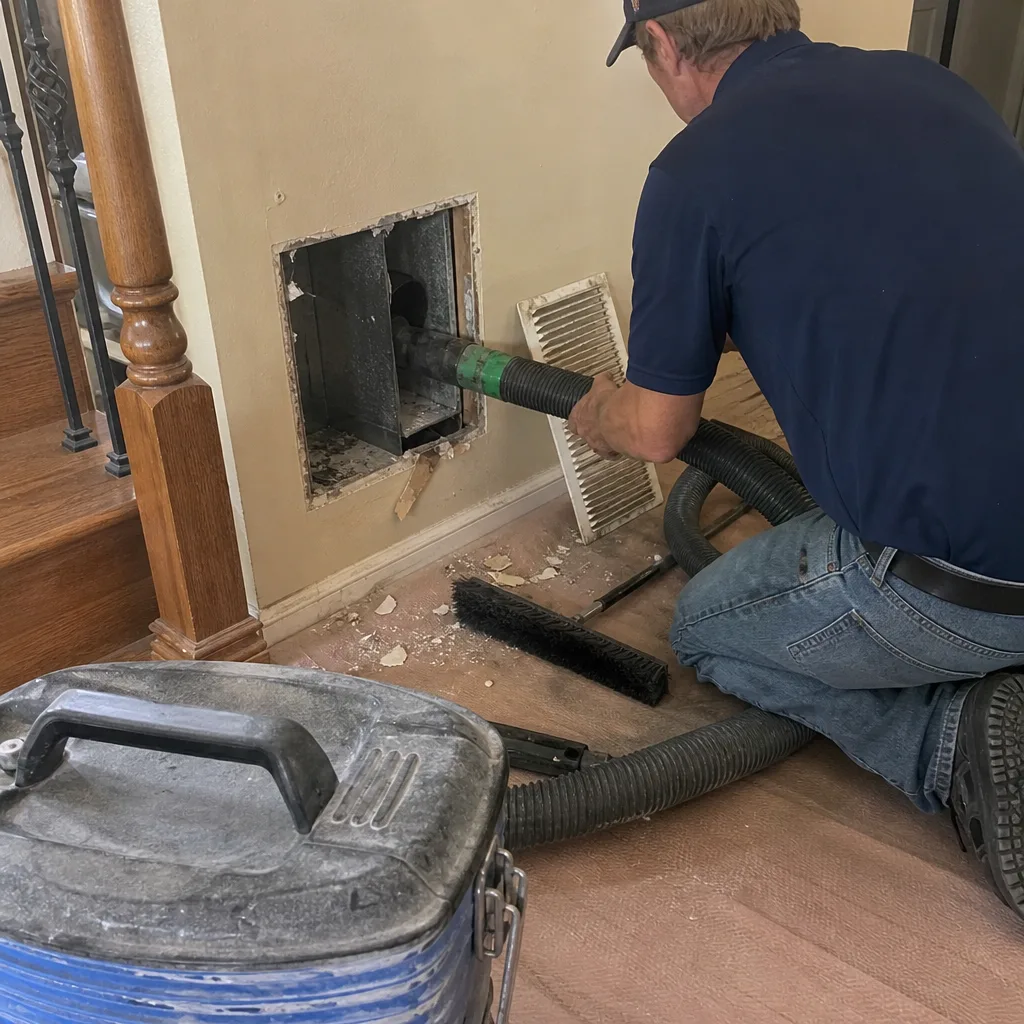 Before
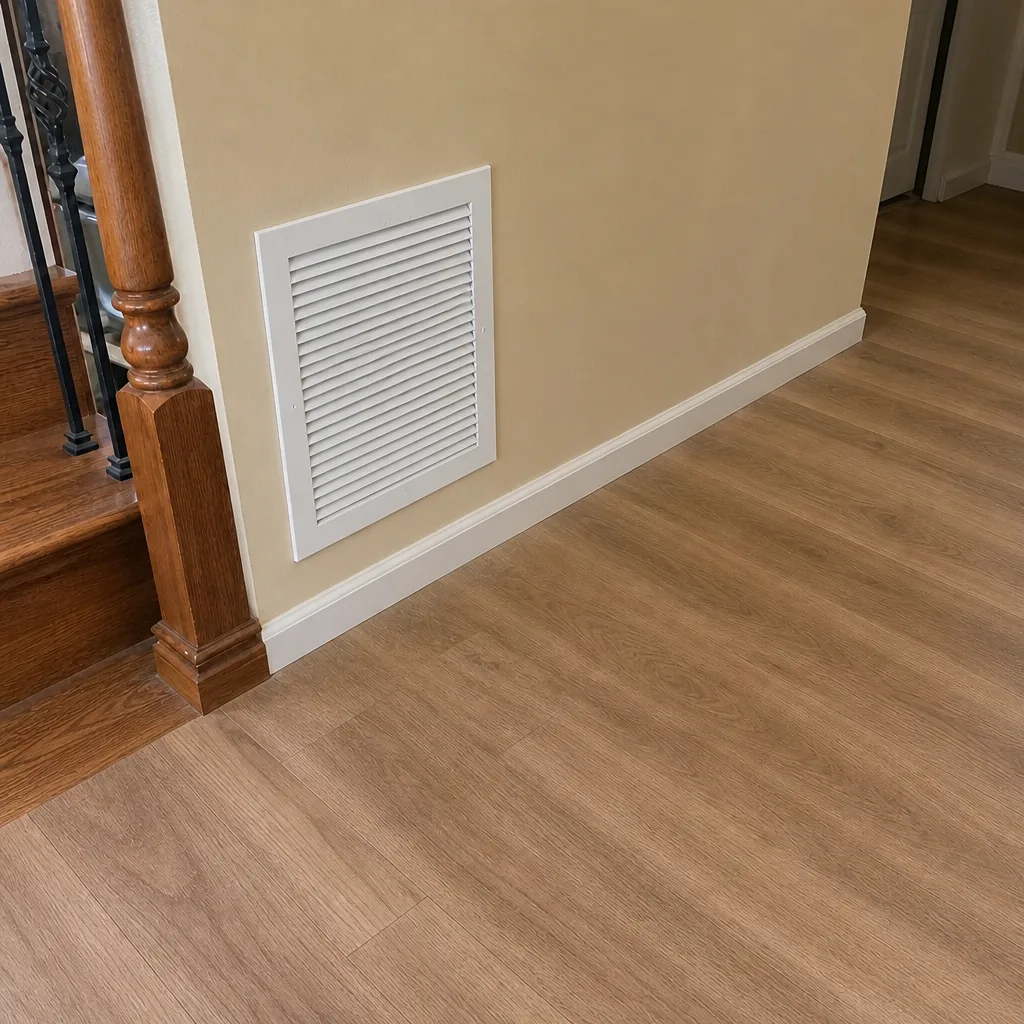 After
 Before
 After