
Last updated November 16, 2026
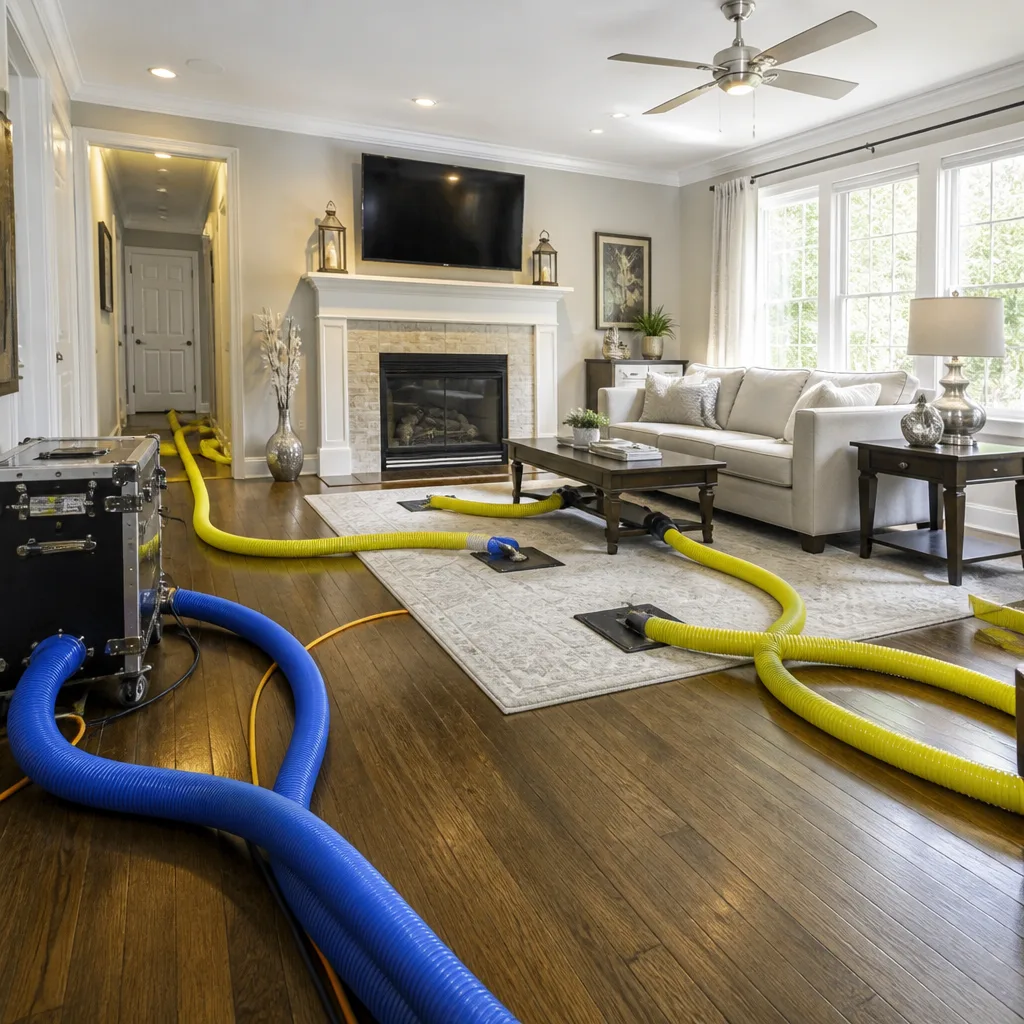 Whole-home duct cleaning
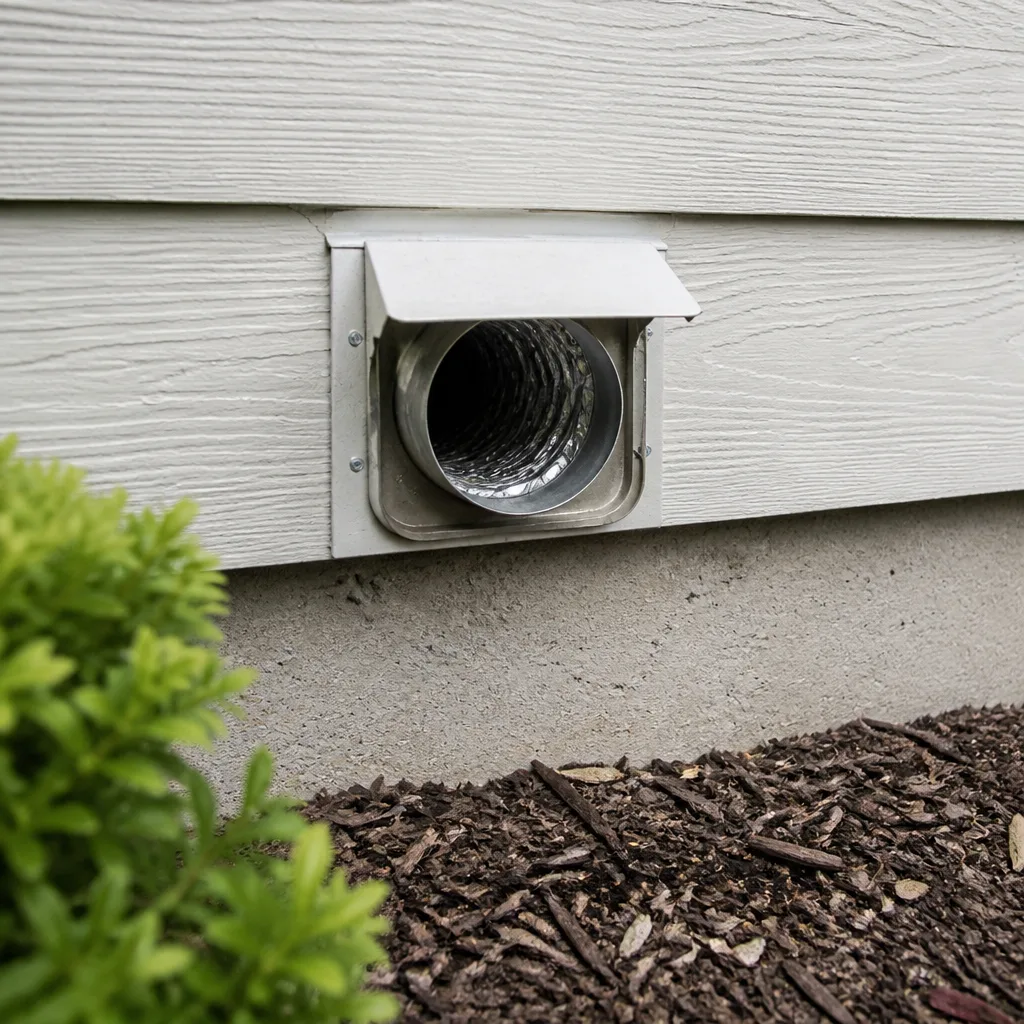 Dryer vent cleaning
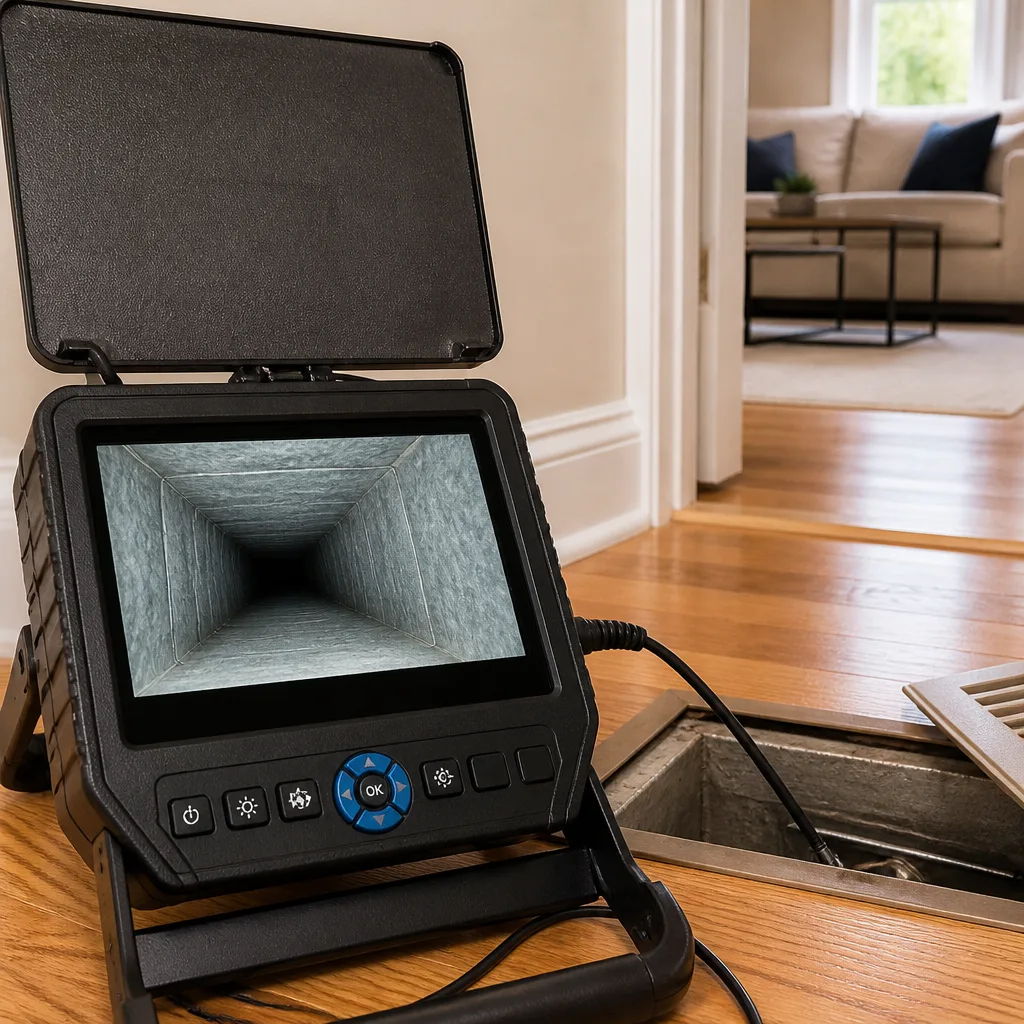 Camera inspection
 Sanitizing & deodorizing
Whole-system duct and dryer vent check with before-and-after photos - you see exactly what came out of your vents
That "$99 whole-house special" is a bait ad - the real number appears once they are in your hallway, or the "clean" is a shop-vac at the register. We photograph the inside of your ducts before and after instead.
Air Duct Cleaning Permits, Codes & Inspections in Salt Lake City, UT: What You Need to Know
Here’s the part most duct cleaning companies don’t tell you: cleaning your ducts doesn’t require a permit in Salt Lake City, but cutting into them to fix something often does. The line between routine cleaning and mechanical modification is where homeowners get into trouble, usually without realizing it until a home inspector or a buyer’s agent spots the problem. This guide walks through that boundary in plain terms. You’ll learn what Utah’s adopted mechanical code actually says, when a licensed HVAC contractor has to be involved, how unpermitted duct repairs surface during a real estate transaction, what to ask before any repair begins, and the one scenario (mold inside the ducts) where a separate set of rules kicks in. If you’re researching air duct cleaning permits, codes, or inspections in Salt Lake City, this is written to answer the question directly.
Quick Answer
Air duct cleaning by itself does not require a permit in Salt Lake City. Duct repair, modification, or replacement of ductwork, however, can require a mechanical permit under Utah’s adopted mechanical code, and that permit has to be pulled by a licensed contractor. Routine cleaning is unpermitted work; anything that involves cutting, rerouting, or reconnecting duct runs may not be. The dividing line is whether the work changes the mechanical system versus simply cleaning it.
Styles & brands we work with
- Whole-home duct cleaning
- Dryer vent cleaning
- Camera inspection
- Sanitizing & deodorizing
Table of Contents
- Cleaning vs. Repair: Where the Permit Line Actually Falls
- What Utah’s Adopted Mechanical Code Requires
- Who Can Legally Do the Work: Licensed HVAC vs. Duct Cleaning Specialist
- How Unpermitted Duct Repairs Show Up in Home Inspections
- What to Ask Before Any Duct Repair Begins
- When Mold Inside Ducts Triggers Additional Requirements
- Why Salt Lake City’s Climate Makes This More Common Than You’d Think
- Common Mistakes to Avoid
Cleaning vs. Repair: Where the Permit Line Actually Falls
The permit question comes down to one word: modification. Cleaning removes accumulated debris from the inside of existing ductwork. No part of the mechanical system changes. The ducts stay where they are, connected the way they were, and the airflow path is unchanged. In Salt Lake City, this is unpermitted work, and it’s the only category of duct service that’s fully exempt from mechanical permitting.
The moment someone cuts, splices, reroutes, or reconnects ductwork, the work crosses into mechanical modification. That’s when a permit may be required. Some examples of what falls on each side of the line:
- No permit typically required: source removal cleaning of flex, sheet metal, or rigid duct runs; dryer vent cleaning; surface cleaning of registers and grilles; debris extraction from trunk lines and branch runs.
- Permit may be required: replacing a section of collapsed flex duct; rerouting a duct run to improve airflow; adding a new supply or return; resealing a plenum connection that requires opening the sealed system; replacing the boot at a wall or floor register; correcting a disconnected run behind drywall.
The reason the line matters is that a lot of duct repairs happen during or right after a cleaning job. A technician is inside the system, finds a run that’s collapsed or a joint that’s separated, and the obvious next step is to fix it. That’s exactly the scenario where the repair should get its own permit conversation. We’ve seen jobs where cleaning was the legitimate service and the repair side was treated as an afterthought when it should’ve been handled with the same documentation as any other mechanical change.
If you’re not sure which category your project falls into, ask. Our air duct cleaning work is cleaning only; if a repair comes up, we’ll flag it and walk you through what it involves, including whether a permit is likely needed.
What Utah’s Adopted Mechanical Code Requires
Utah adopts the International Mechanical Code (IMC) through the state’s construction and general safety code, with local amendments. The IMC covers mechanical systems, which includes ductwork, and the permit requirements are tied to installation, alteration, and replacement of those systems, not to cleaning of them.
In practice, that means the following:
- Installation requires a permit. New ductwork, whether for a new system or a new addition, is permitted work. That’s true in Salt Lake City and throughout the Wasatch Front.
- Alteration requires a permit. Changing the configuration of the system, even if you’re reusing some of the existing duct, is alteration work under the IMC. This is the most common area where homeowners get surprised.
- Replacement requires a permit. Swapping out a section of failed duct with new duct is replacement, and replacement is permitted work.
- Cleaning does not require a permit. Cleaning is maintenance, not installation, alteration, or replacement. No permit.
- Local amendments can shift the details. Salt Lake City enforces the IMC with its own administrative amendments. The city’s building department has the final word on any specific job, so when in doubt, that’s who to call.
The practical takeaway is that a duct cleaning specialist should never be pulling a mechanical permit on their own unless they hold the right contractor license. If a “cleaning” company tells you they’ll pull a permit to fix a broken duct run, that’s a red flag worth pausing over. Permit pull responsibility belongs to the licensed contractor doing the mechanical work.
If you’re unsure whether your project is cleaning or alteration, the simplest test is: does anything inside the ducts change shape, location, or connection? If yes, treat it as alteration. If no, it’s cleaning. We handle Salt Lake City duct cleaning all over the valley and we make that distinction clear on every job.
Who Can Legally Do the Work: Licensed HVAC vs. Duct Cleaning Specialist
Utah’s contractor licensing structure separates mechanical contractors from the specialists who clean ductwork. Mechanical contractors, licensed under Utah’s Division of Professional Licensing, can install, alter, and repair HVAC systems, and they’re the ones who pull mechanical permits. Duct cleaning specialists aren’t a licensed contractor category; they perform cleaning as a maintenance service, and that’s a legal distinction that matters.
Here’s how the split works in practice:
- A duct cleaning specialist can legally clean the ducts without a mechanical contractor license, because cleaning isn’t contractor work under Utah’s licensing rules.
- A duct cleaning specialist cannot pull a mechanical permit because permit pull requires the license class that authorizes the work.
- Repairing or modifying ductwork generally requires a licensed mechanical contractor, or someone operating under one.
- Mold remediation inside ducts sits in a separate category with its own requirements (more on that below).
This is where a company like ours fits into the picture honestly. We clean and we repair ductwork; the repair side is done with the licensed contractor requirement in mind. When a repair on your system is going to require a permit, we’ll tell you, and we’ll connect the work to the right licensed professional. The priority is that you don’t end up with unpermitted mechanical work recorded against your property.
A homeowner in the Avenues or Sugar House with a system from the 1970s or 1980s is going to have more of these conversations than a homeowner in a newer build in Daybreak or Herriman. What usually starts as a routine cleaning turns into a discovery of a collapsed flex run or a disconnected joint, and that’s when the licensing question becomes real. We’ve seen it plenty of times. Our technicians have up to 11 years of experience and know the difference between cleaning territory and licensed repair territory.
How Unpermitted Duct Repairs Show Up in Home Inspections
Home inspectors aren’t looking specifically for duct cleaning receipts. They’re looking at the mechanical system as a whole, and unpermitted duct repairs are visible in several predictable ways. When Salt Lake City homes go up for sale, this becomes a real transaction issue, because the buyer’s agent is trained to flag anything that looks like unpermitted mechanical work.
The specific things inspectors and buyer’s agents tend to catch:
- Mismatched duct materials at a joint. A section of new flex spliced into old sheet metal without proper connection hardware stands out.
- Duct tape on a permanent joint. Duct tape breaks down; code-acceptable sealant and mechanical fastening are what inspectors want to see. Visible duct tape on ductwork often means an amateur repair.
- Unsealed penetrations. Where new duct passes through a wall, floor, or ceiling cavity, the sealing should look intentional. Unsealed gaps suggest work done without a permit.
- Missing permit documentation. If the sale disclosure shows recent HVAC work and the seller can’t produce the permit record, that’s a flag.
- Reroutes that don’t make mechanical sense. An inspector doesn’t need to be an HVAC engineer to spot a duct run that sags, doesn’t slope properly, or connects to a register it clearly wasn’t designed for.
The buyer’s agent will typically recommend further evaluation by a licensed mechanical contractor, and the seller’s options at that point are limited: produce the permit history, or credit the buyer for the cost of bringing the system into compliance. Both are worse outcomes than just having done the repair with the proper permit in the first place.
Salt Lake City’s older neighborhoods, Liberty Wells, Rose Park, Glendale, Capitol Hill, have a lot of homes where the original ductwork was modified during past remodels. Unpermitted work in those homes is common. If you’re buying or selling in those areas, having your duct records clear is worth the effort. See our Banner Air Duct Cleaning overview page if you want more on how we handle the cleaning side versus the repair side before a sale.
What to Ask Before Any Duct Repair Begins
Every repair should start with a plain conversation about the permits involved. If a contractor can’t answer these questions clearly, that’s information. Here’s what to ask, in order:
- “Does this repair require a mechanical permit?” The contractor should be able to tell you yes or no and explain why. If they say “no” for something that clearly involves replacing or reconnecting ductwork, get a second opinion.
- “Who’s pulling the permit?” The answer should be the licensed contractor doing the work, not the homeowner. Homeowners can pull certain permits for their own primary residence, but hiring out the work usually puts the permit obligation on the contractor.
- “What does the inspection schedule look like?” Permitted work usually involves a rough inspection before the ductwork gets closed in and a final inspection after. Ask when those happen so you can plan around them.
- “Can I get before-and-after photos of the duct interior?” Both cleaning and repair benefit from documentation. Photos are your record that the work was done and done correctly.
- “Will I get a written scope? “ A permit-quality repair should come with a written description of exactly what’s being fixed, what materials are being used, and what the final price is. One flat price agreed before work starts, not a per-duct or per-vent figure that grows as the job goes.
- “Are you insured and bonded?” A licensed mechanical contractor should be. A duct cleaning specialist should be too. Ask for it in writing.
- “Is the permit closeout paperwork coming to me?” You want the final inspection record in your own file. If the contractor holds it, get a copy.
The companies that push back hardest on these questions are usually the ones without the licenses to back the answers. It’s one of the reasons we walk through the permit question on every job where repair might come up. Cleaning is cleaning, and repair is repair, and the two shouldn’t be blurred. Our dryer vent cleaning service sits entirely on the cleaning side, while duct repairs that involve cutting into the system get treated with the documentation and licensing those jobs require.
When Mold Inside Ducts Triggers Additional Requirements
Mold inside a duct system changes the rules. Standard duct cleaning doesn’t include mold remediation, and the remediation piece carries its own regulatory framework that goes well beyond a mechanical permit. That’s true in Salt Lake City just as it is elsewhere, and it’s the one scenario where a household is most likely to get bad advice from a cleaning company that’s trying to expand the scope of its job.
What happens when mold is found in the duct system:
- Mold remediation is a specialized service with separate licensing and training expectations. It’s not something a duct cleaning specialist should be doing under a cleaning service banner.
- Containment requirements are stricter. Remediation-grade air scrubbers and physical containment are standard for mold work. Cleaning equipment, even professional cleaning equipment, is not the same thing.
- The mechanical permit question becomes secondary. Mold remediation inside a duct system can involve opening the system, and that reopening can trigger a mechanical permit for the subsequent repair. The remediation itself and the mechanical repair are usually two different jobs by two different specialists.
- Disclosure obligations apply. Mold remediation documentation should be part of the home’s records, particularly if you’re selling.
If a duct cleaner tells you they’ve found mold and offers to handle it as part of the cleaning job, slow down. Ask whether the company is licensed for mold remediation. Ask what containment they’re using. Ask for the documentation that will come with the work. The honest answer from a cleaning specialist is that remediation is a separate scope, and they’ll refer you to a licensed specialist.
Our own scope stops at cleaning and duct repair. We locate and correct leaks, disconnects, and damage inside ductwork, and we don’t treat mold as part of that. When we spot signs of growth, we tell the homeowner and point them to a remediation specialist. It’s the same logic behind everything we do: clean what’s cleanable, fix what’s broken, and don’t pretend to be qualified for the rest.
Why Salt Lake City’s Climate Makes This More Common Than You’d Think
Salt Lake City’s climate puts unusual strain on ductwork across the valley. The dry summers, the winter inversions, and the wide temperature swings between seasons all work on the duct system over time. That means duct repairs aren’t rare here. They’re routine, and they’re the reason the permit question comes up so often during what was supposed to be a routine cleaning.
The climate factors at play:
- Dry summer air and high dust loads. Summertime dust from the surrounding foothills and canyons finds its way into return ducts and settles in the system. Filters capture some of it; not all.
- Winter inversions trap particulates in the valley. When the inversion layer sits over the Salt Lake Valley, airborne particulates stay concentrated. Homes in the valley floor from Rose Park to Millcreek see measurable indoor air quality shifts during those weeks.
- Wide temperature swings expand and contract duct seals. Duct sealant has a finite working life. Shrinking and expanding at the seams with the seasons eventually opens gaps. That’s a repair job, not a cleaning job.
- Older housing stock in central neighborhoods. Homes in the Avenues, Liberty Wells, and Capitol Hill often have original 1950s-to-1970s ductwork that’s been modified over the decades. Flex duct retrofits from that era are fragile now.
None of that requires a permit to fix on its own. But it does mean that when a technician goes into a system in a Salt Lake City home, the odds of finding something that needs actual repair are higher than in a climate that doesn’t swing as hard. That’s why we run professional equipment, not rental-counter tools. We use the Rotobrush rotary brush system for mechanical agitation, Nikro HEPA-rated vacuum extraction that captures particles down to 0.3 microns, and Abatement Technologies air scrubbers during service to contain displaced contaminants. The equipment matters because you don’t get a second chance to keep that debris out of the living space.
We’re also familiar with the whole-home air-quality systems people run in Salt Lake City, including Honeywell and Aprilaire filtration and humidification equipment. When a home has one of those systems, cleaning has to work around the filters and the humidifier plenum without disturbing the manufacturer’s expectations. That’s a separate skill from basic duct cleaning, and it’s part of how we approach a job before we even turn on the equipment.
Common Mistakes to Avoid
- Treating a repair as part of the cleaning quote. If a duct cleaner offers to fix a collapsed run without mentioning permits or licensing, the work is probably beyond the scope they can legally perform. Ask for the licensed contractor’s name and permit details before anything is cut.
- Assuming all duct repairs need a permit. Over-permitting isn’t a problem; overpaying for a permit you didn’t need is annoying. Simple cleaning and minor resealing don’t need one. The line is whether the mechanical system’s configuration changes.
- Skipping before-and-after photos. In Salt Lake City homes with limited attic or crawl space access, a photo record is often your only practical way to verify the work was actually done. Ask for it before work starts, not after.
- Hiring a cleaner for mold in the ducts. Mold remediation is a separate specialty with separate requirements. A company that offers to “take care of it” under a cleaning scope is telling you something about how they run their business.
- Not checking permit records before you sell. If a recent HVAC job shows up in your sale disclosure and you can’t produce the permit record, expect the buyer’s agent to flag it. Pull the permit history before you list, not after the inspection.
- Hiring on price alone. Per-vent pricing and low coupon quotes are the classic bait-and-switch structure in this trade. You want a flat price per system, agreed in writing, before any work begins. The Salt Lake City market has both ends of the price spectrum; only one of them ends where it started.
- Ignoring the dryer vent. Lint buildup in a dryer vent is a documented leading cause of residential fires. It’s not a duct permit issue, but it’s a safety issue that too many homeowners skip. Our dryer vent cleaning exists for exactly that reason.
See the difference
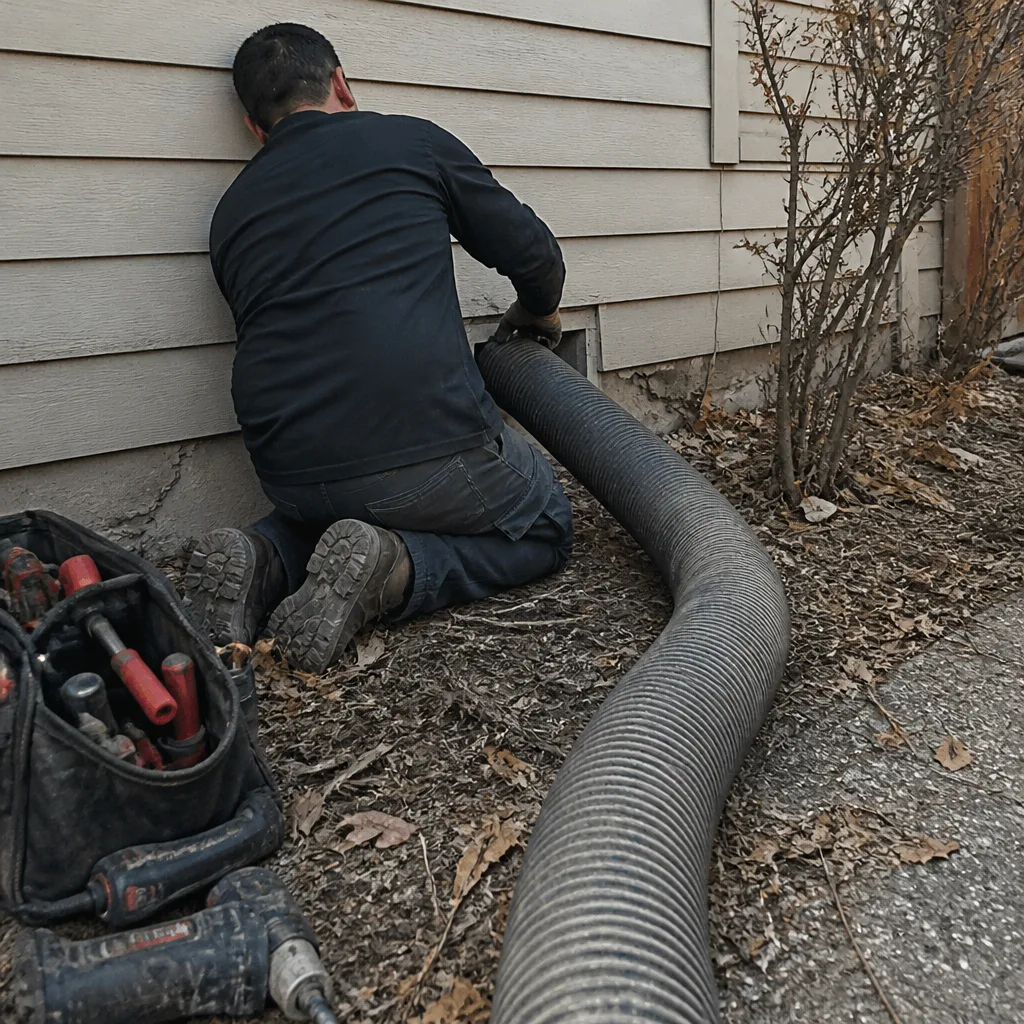 Before
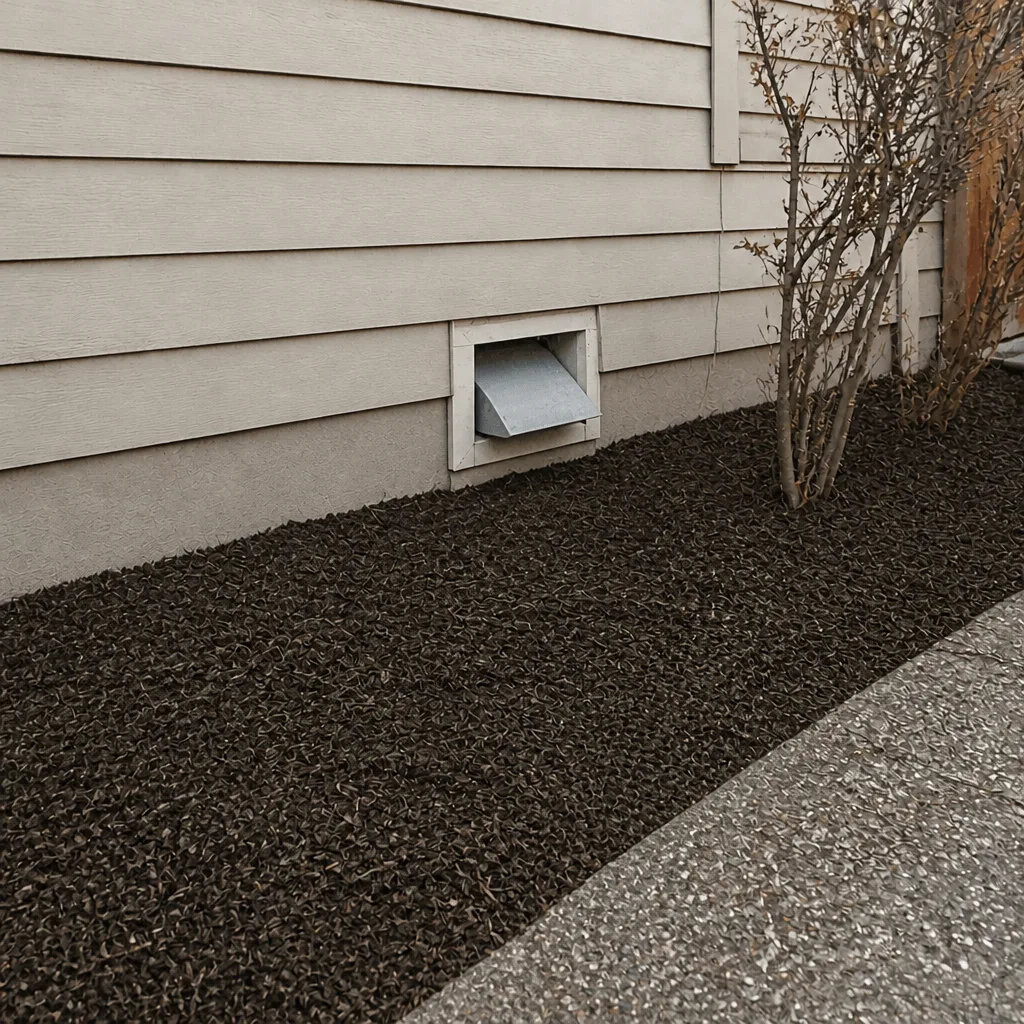 After
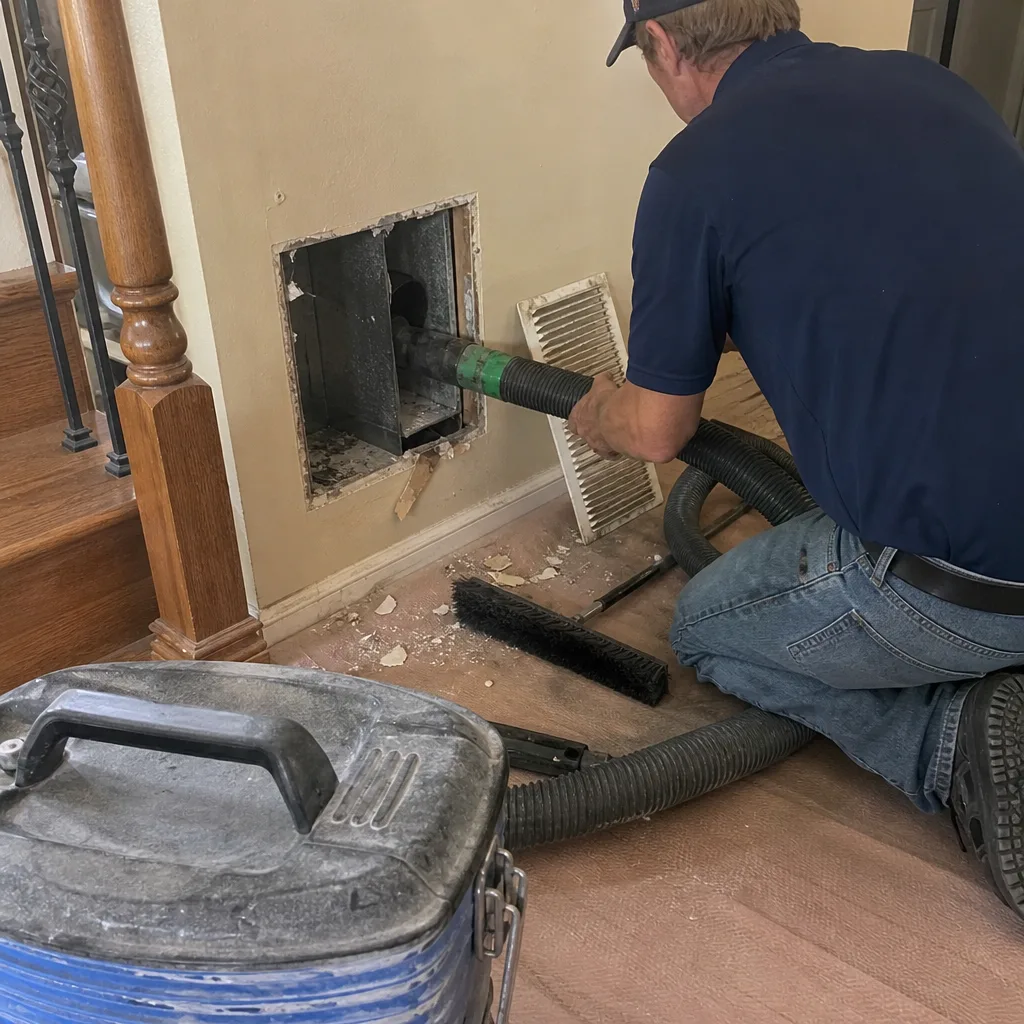 Before
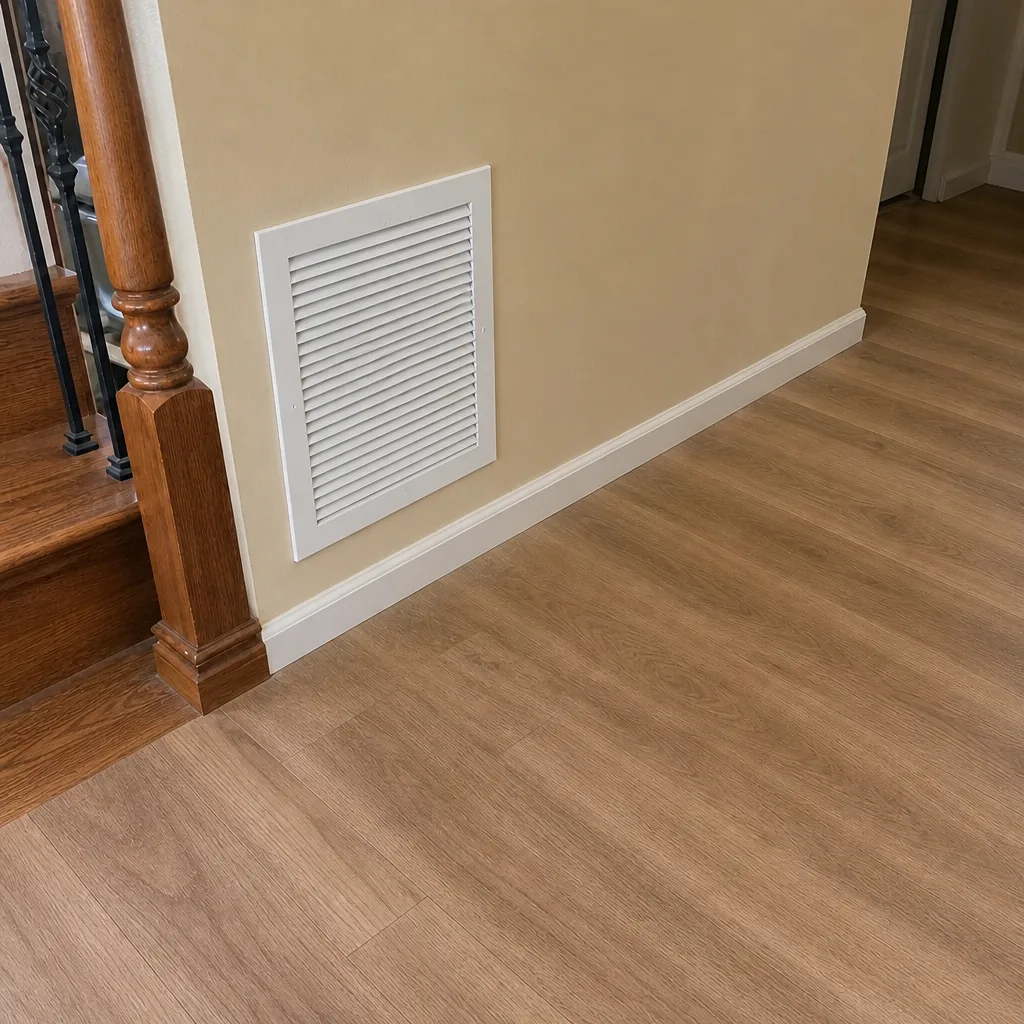 After
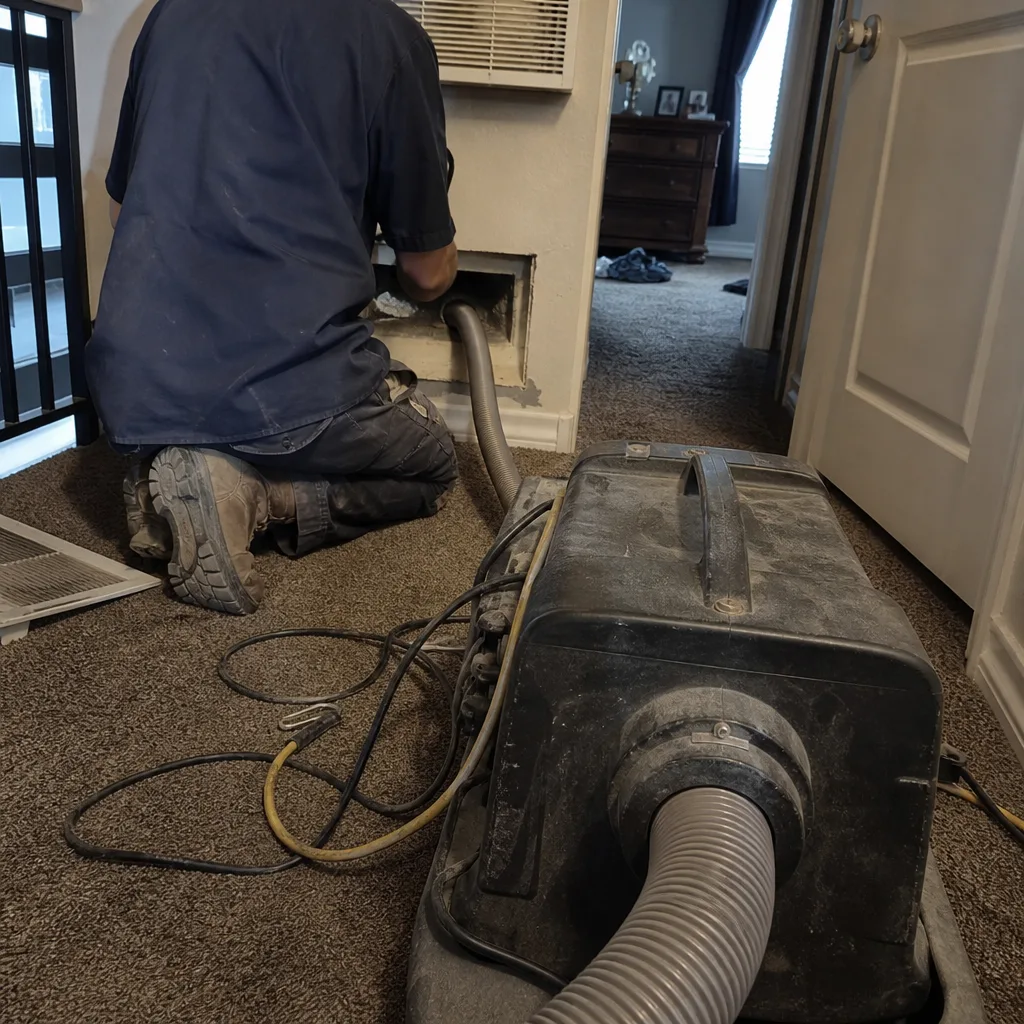 Before
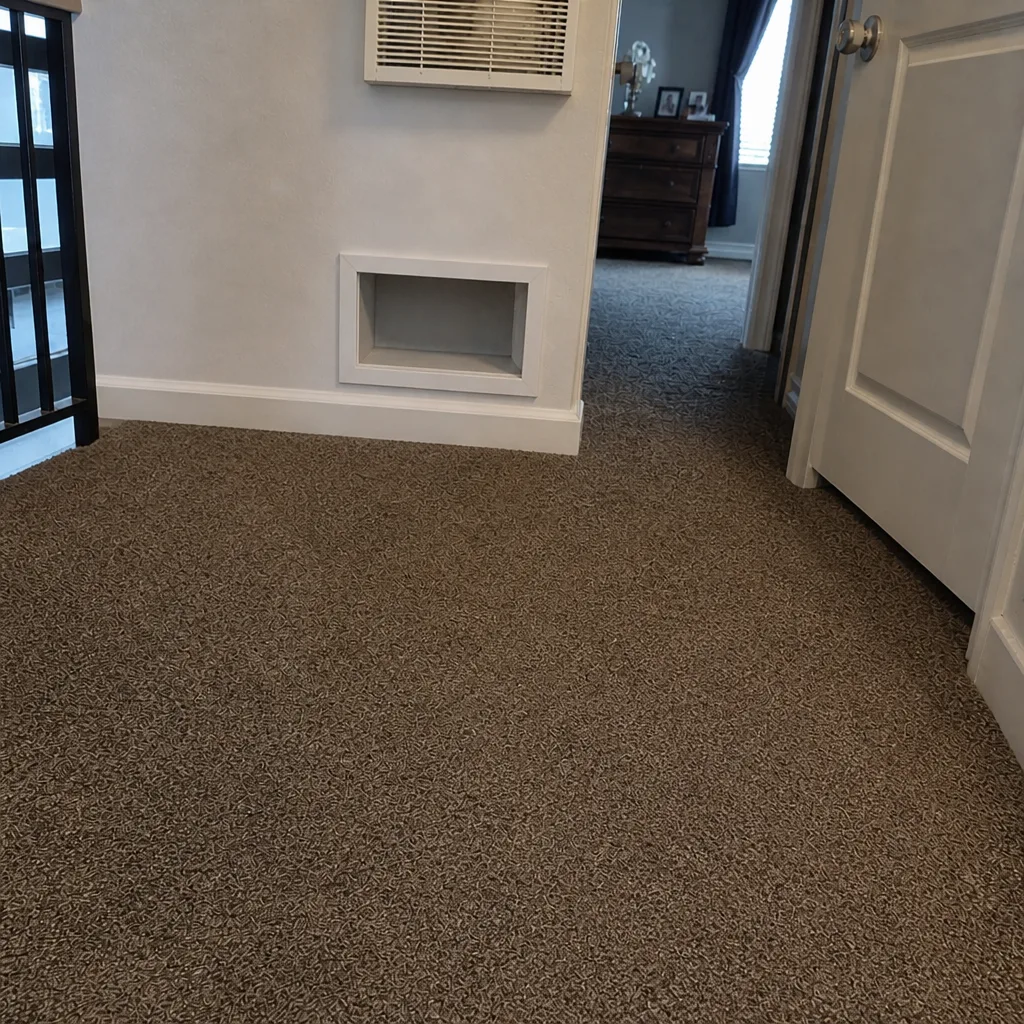 After
When to Call a Professional
Call a professional when a technician finds a duct problem that goes beyond cleaning, when you’re seeing airflow issues at one or more registers, or when a home inspection flags ductwork for further evaluation. If you’re selling a Salt Lake City home and can’t find permit records for previous HVAC work, get ahead of that before you list. If you’re seeing visible dust around a register or noticing that one room never heats or cools like the rest of the house, that’s a sign of a duct problem worth diagnosing. Stringer ducts, disconnected runs, and collapsed flex are all repairable, but they’re not cleaning issues. Banner Air Duct Cleaning offers free estimates in Salt Lake City. Call (855) 752-4416. We answer 24/7. Fast dispatch from 7am to 7pm, Sunday through Friday. We clean it and, if it’s broken, we fix it.
Frequently Asked Questions
No. Air duct cleaning does not require a mechanical permit in Salt Lake City because it’s classified as maintenance rather than installation, alteration, or replacement. If the work involves cutting into ductwork or replacing a section, a permit may be required. Call (855) 752-4416 for a free estimate.
Duct repair that changes the configuration of the mechanical system, replaces ductwork, or reroutes a duct run generally requires a permit under Utah’s adopted mechanical code. Simple resealing that doesn’t change the system’s layout usually doesn’t. When in doubt, ask Salt Lake City’s building department directly.
Not working under a licensed mechanical contractor. Duct cleaning is a maintenance service, and duct repair is mechanical contractor territory under Utah’s licensing structure. A duct cleaning company that performs repair work without a license is operating outside its scope. Call (855) 752-4416 and we’ll walk you through what’s what.
Ask for before-and-after photos of the interior of the duct system, a written scope, and a flat price per system rather than per-vent pricing. Reputable companies document their work and provide it to you. If the company won’t show you the inside of your own ducts, that’s the answer.
Yes, usually. Home inspectors flag mismatched duct materials, visible duct tape on permanent joints, and unsealed penetrations, and buyer’s agents ask for permit records when recent HVAC work is disclosed. Unpermitted work typically means the seller credits the buyer or pays for a licensed contractor to correct the work.
Mold remediation inside ducts is a separate specialty with its own licensing and containment requirements, and the mechanical repair that sometimes follows can trigger a mechanical permit separately. A duct cleaning company that offers to handle mold as part of a cleaning job is outside its scope. Call us at (855) 752-4416 and we’ll tell you honestly when a job needs a different specialist.
The Bottom Line
Air duct cleaning in Salt Lake City is maintenance work, and no permit is needed for it. Duct repair, modification, or replacement is mechanical work, and that’s a different conversation that involves a licensed contractor and possibly a mechanical permit. If you’re hiring a cleaning company and the work suddenly involves cutting into a duct, ask the permit questions before anything begins. Unpermitted repairs come back to you at home inspection, and they’re always more expensive to fix than to prevent. If you want the cleaning side done properly, with equipment that treats the work as the technical job it is, call (855) 752-4416 for a free estimate. We answer 24/7. Fast dispatch from 7am to 7pm, Sunday through Friday. Insurance is in place, pricing is one flat price per system agreed before work starts, and you get before-and-after photos of your own ducts.
Written by the team at Banner Air Duct Cleaning.