
Last updated November 16, 2026
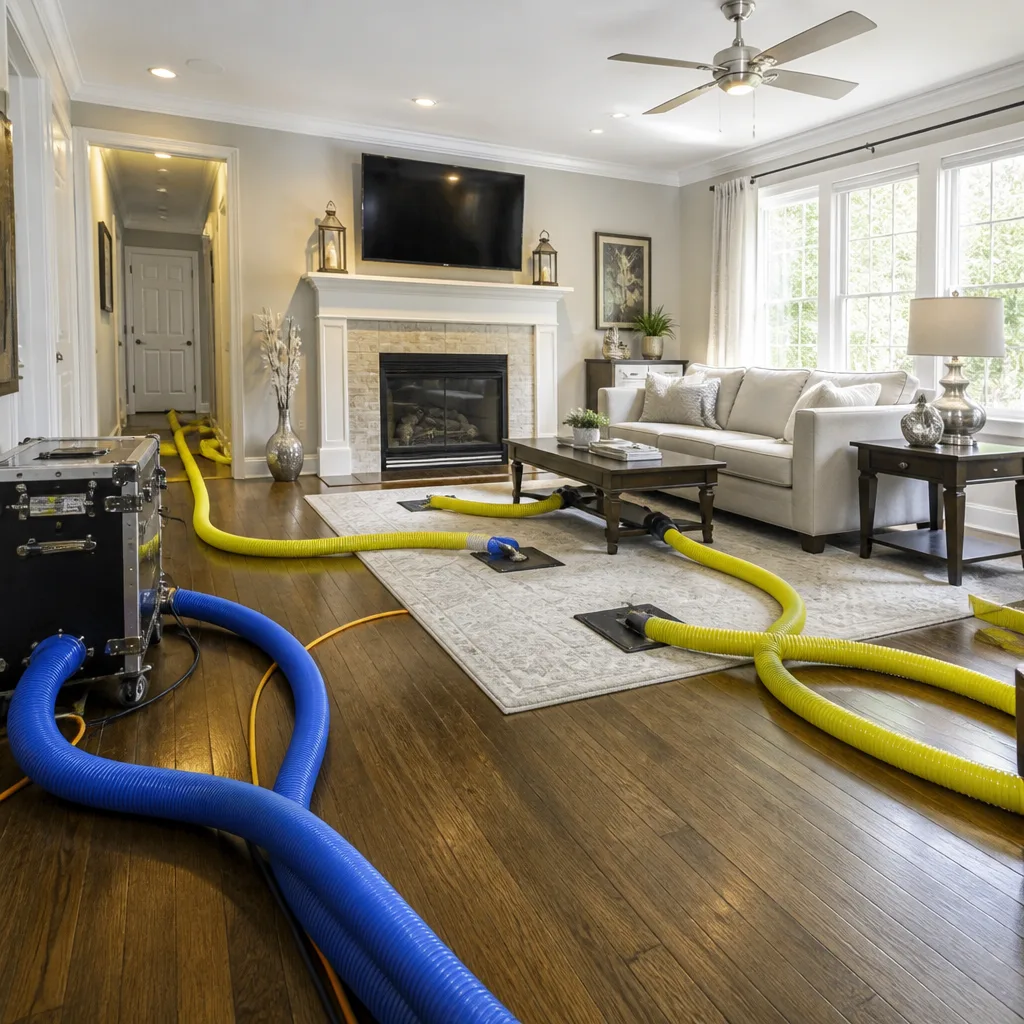 Whole-home duct cleaning
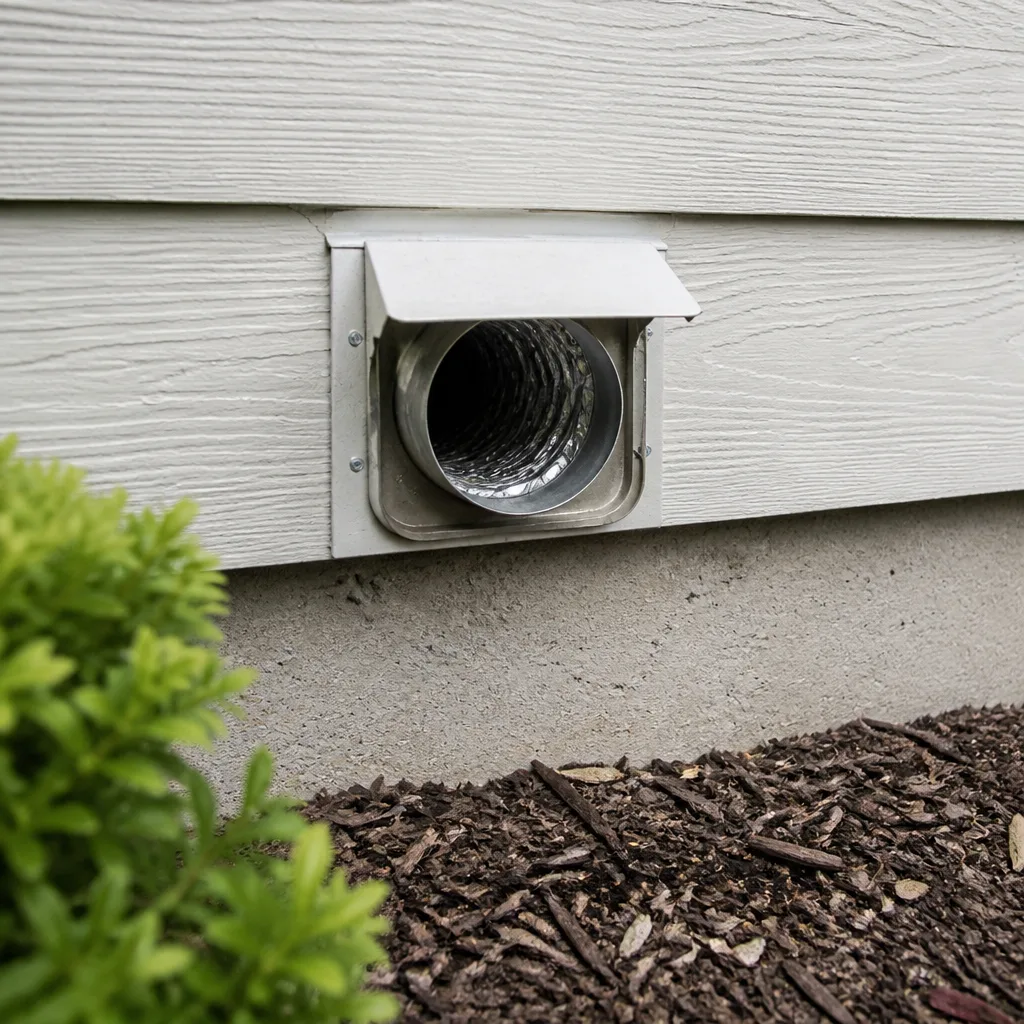 Dryer vent cleaning
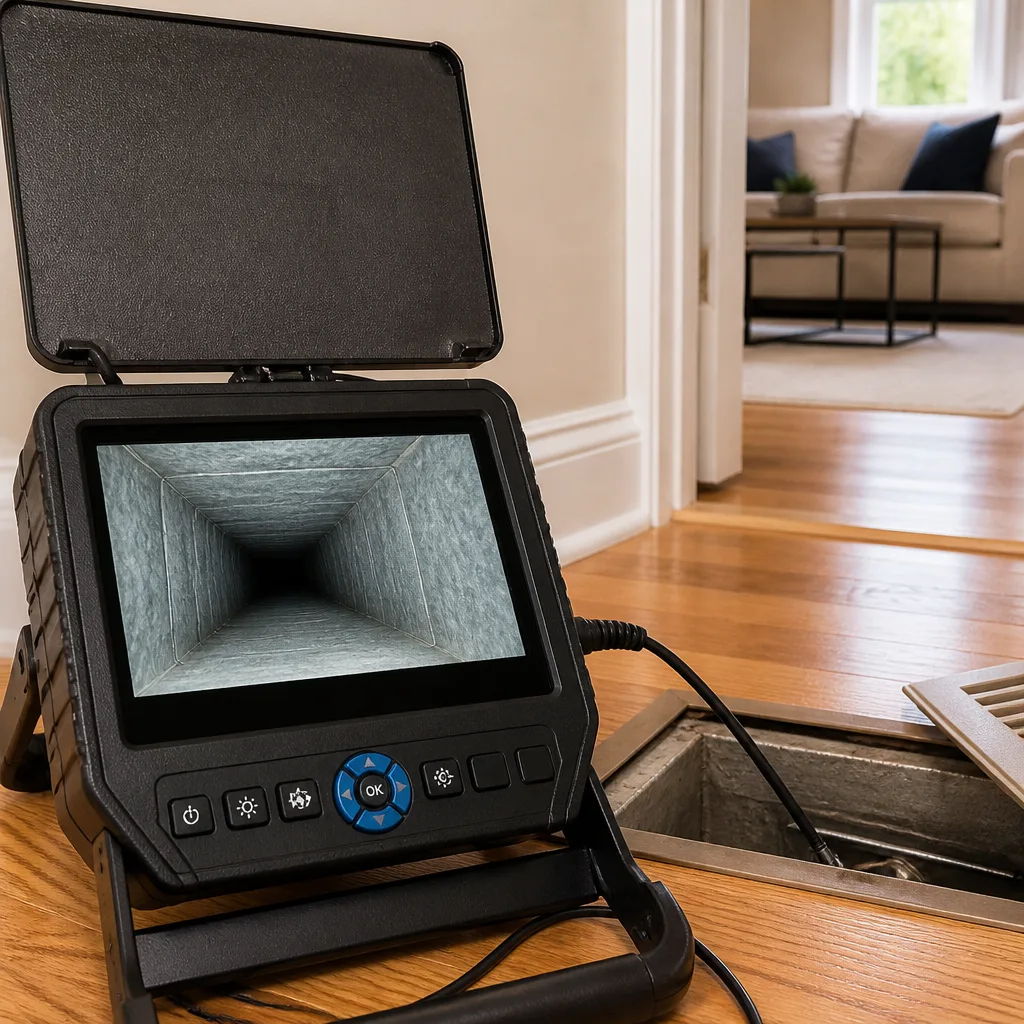 Camera inspection
 Sanitizing & deodorizing
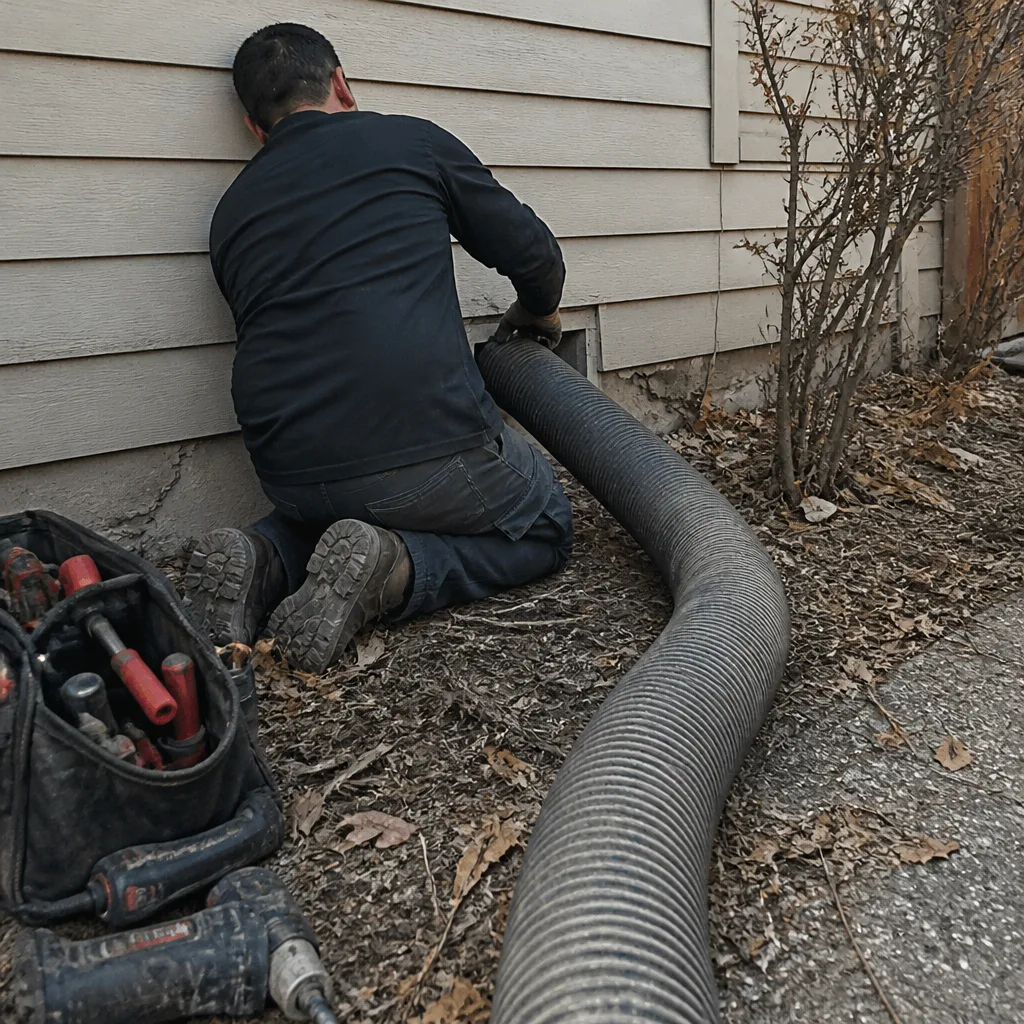
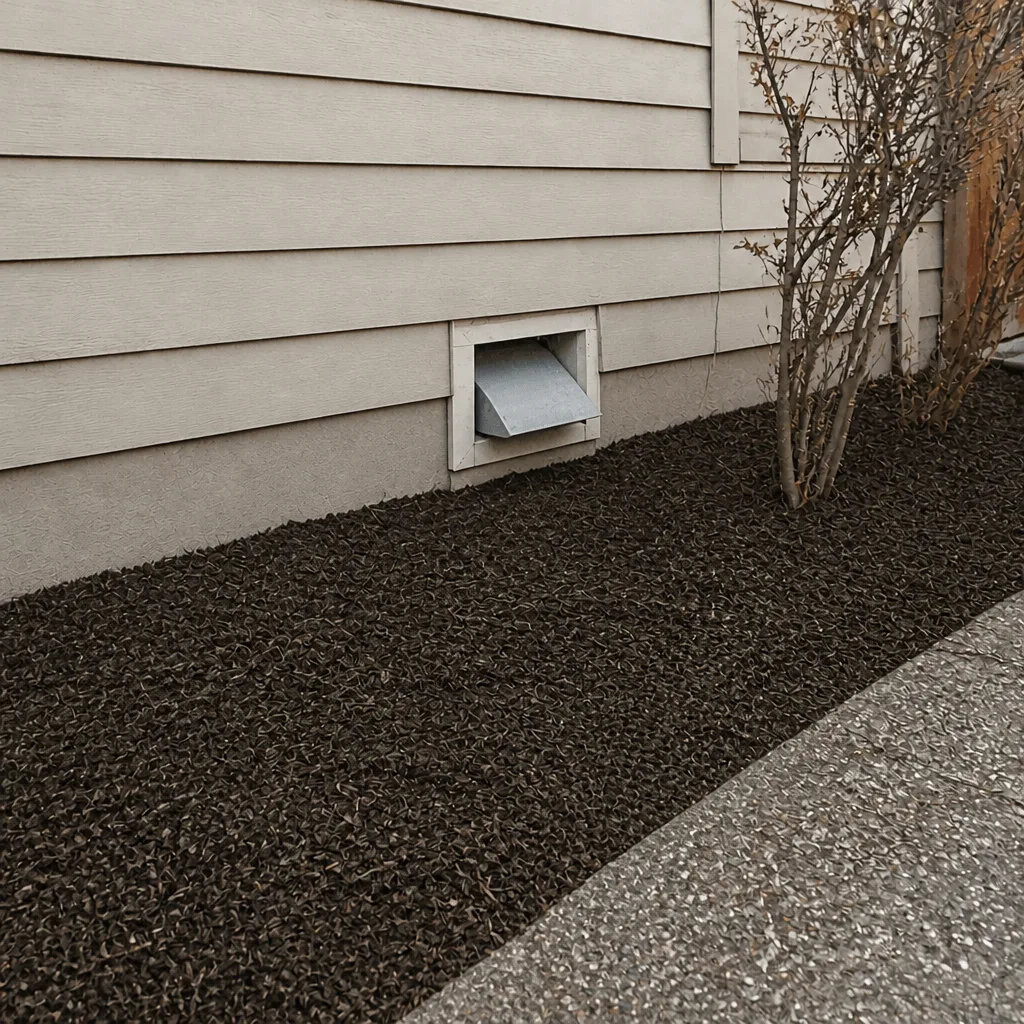
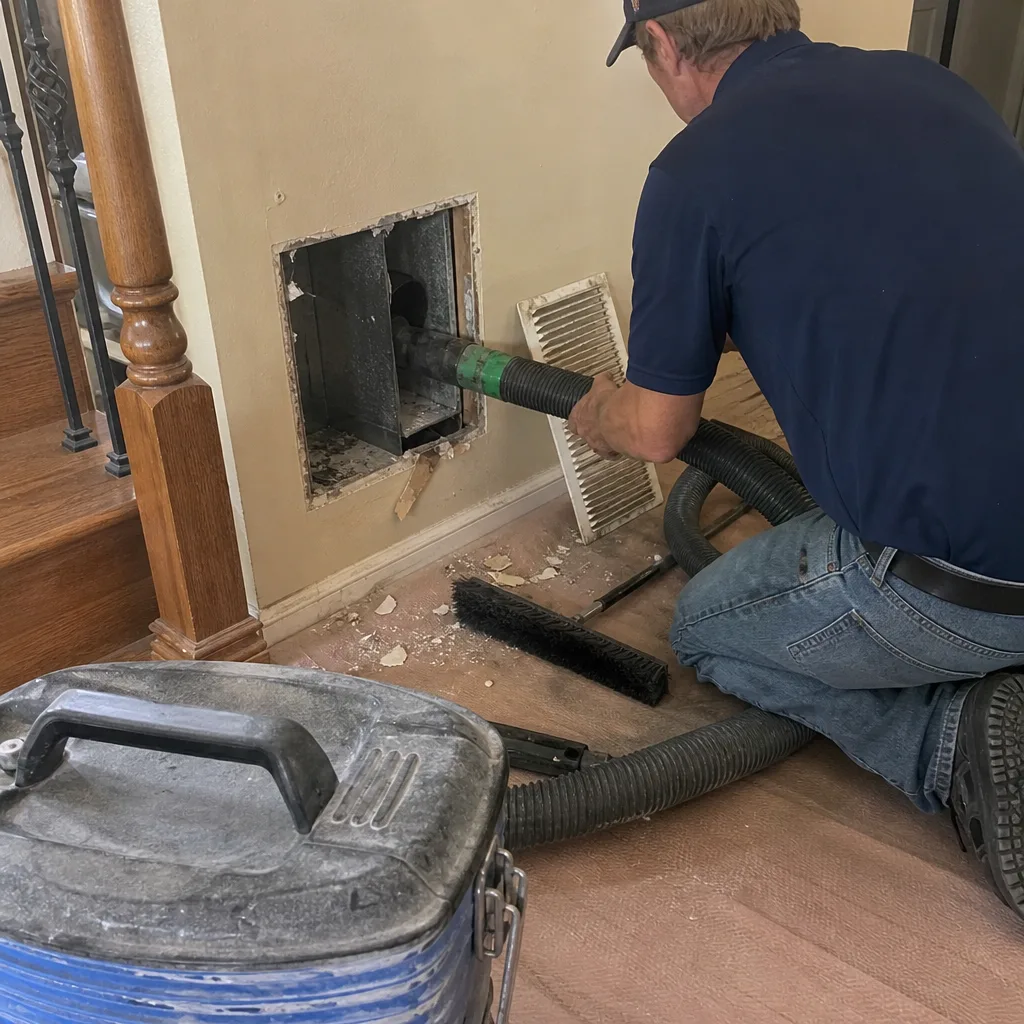
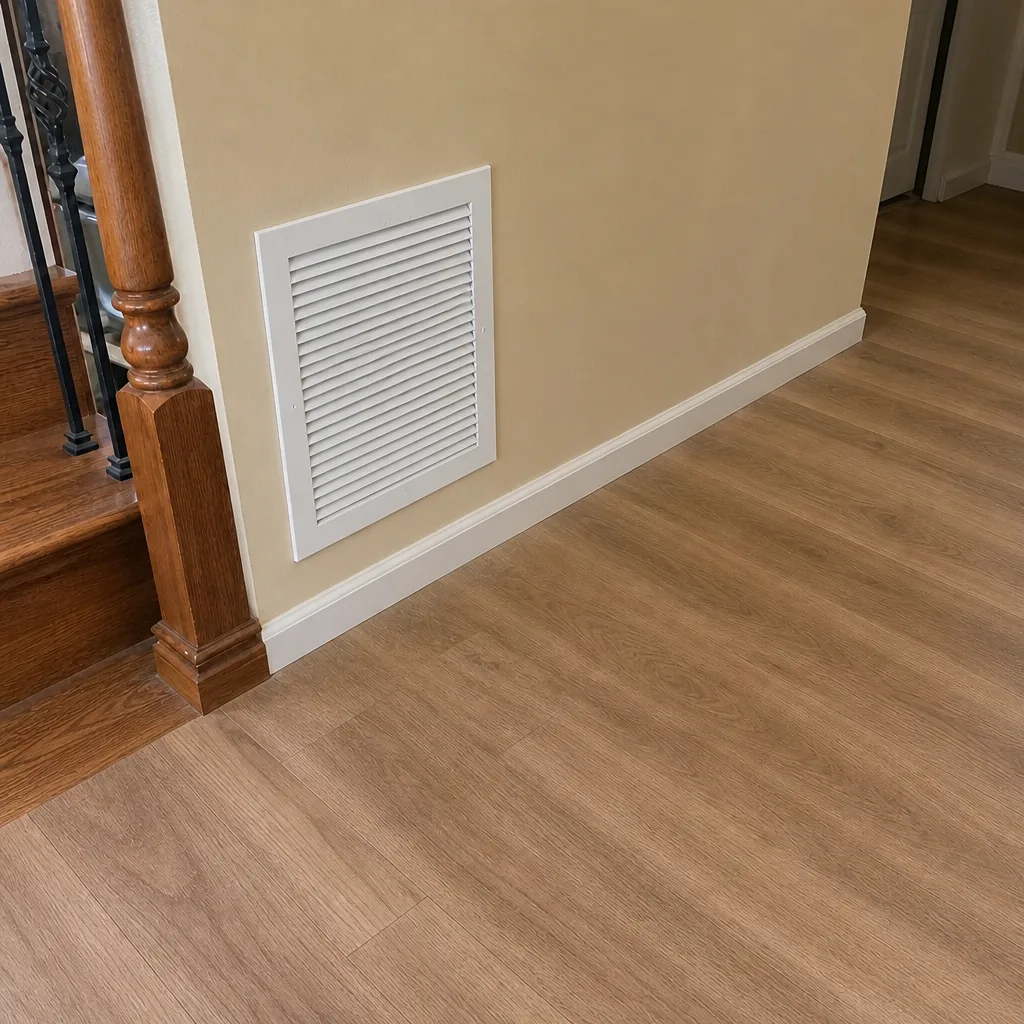
Whole-system duct and dryer vent check with before-and-after photos - you see exactly what came out of your vents
That "$99 whole-house special" is a bait ad - the real number appears once they are in your hallway, or the "clean" is a shop-vac at the register. We photograph the inside of your ducts before and after instead.
Choosing the Right Air Duct Cleaning Brand: A Buyer’s Guide for Salt Lake City
There’s no star rating or review count that tells you whether a contractor runs contact-cleaning equipment or just points a negative-pressure vacuum at your vents. Yet that one equipment distinction predicts the outcome of your cleaning more reliably than any review score you’ll read. The difference between professional equipment and a shop vac in a van is the difference between cleaning a duct system and merely waving at it. In this guide we’ll walk through the three equipment platforms common in Salt Lake City, how to verify what a contractor actually runs before booking, why repair capability matters as much as cleaning, and how to read local reviews for real process signals instead of satisfaction scores. You’ll learn to judge a brand by its hardware, not its marketing.
Quick Answer
The right air duct cleaning brand in Salt Lake City is the one that runs restoration-grade equipment – a rotary-brush system for contact agitation and a HEPA-rated vacuum on the extraction side – and can also diagnose and repair duct damage in the same visit. Brand recognition matters far less than which machine shows up and whether the crew documents what they did with before-and-after photos.
Styles & brands we work with
- Whole-home duct cleaning
- Dryer vent cleaning
- Camera inspection
- Sanitizing & deodorizing
Table of Contents
- Why Equipment Is the Real Brand Test in Salt Lake City
- The Three Professional Equipment Platforms You’ll Encounter
- What Equipment Investment Says About a Contractor’s Business Model
- How to Verify Equipment Claims Before You Book
- The Repair Capability Filter
- Reading Salt Lake City Reputation Signals Correctly
- What Salt Lake City Climate Does to Duct Systems
- Questions to Ask Any Duct Cleaner Before Hiring
Why Equipment Is the Real Brand Test in Salt Lake City
A company name tells you almost nothing. A machine tells you everything. The cleaning method is set by the hardware, and the method decides whether your ducts actually come clean. In Salt Lake City, where a growing number of companies offer duct cleaning, the ones that invested in professional platforms have made a choice about how they do the work – and that choice is a better predictor of quality than any logo on a van.
Consider the mechanical side. Dust and debris in a duct don’t always just sit loose. Over time, particulate binds to duct walls, especially in dry climates where electrostatic attraction builds a light film. A vacuum alone pulls the airy stuff off the surface but can leave contact residue behind. A rotary brush is what breaks that contact. Without one, you get a system that sounds cleaner but reveals a still-coated lining when inspected.
Then there’s the extraction side. Whatever the brush loosens has to leave your home, not recirculate into the room. A HEPA-rated vacuum captures it. A consumer vacuum recirculates it back into the air. The distinction matters more in a closed-up house than in open air.
None of these equipment details show up in a review of “great service, very professional.” That’s why we tell homeowners across Salt Lake City to ask about the machine first. When you’re vetting a company, air duct cleaning should mean contact agitation followed by HEPA-rated extraction. If a contractor can’t tell you which system they run, you’ve already got your answer.
The Three Professional Equipment Platforms You’ll Encounter
Three equipment platforms show up repeatedly in the Salt Lake City market. They don’t do the same job, and understanding what each is designed for helps you judge whether a quote describes real work.
Rotobrush: Rotary-Brush Contact Cleaning
Rotobrush is the rotary-brush platform. A spinning brush travels the inside of the duct, physically knocking debris off the walls while an attached vacuum pulls it away. It’s the tool that handles contact-bound dirt and gives real mechanical agitation. On residential systems with standard rectangular and round ducts, it’s the industry standard for cleaning reach. When you hear “rotary brush system” in a quote, that’s what’s meant.
Nikro: HEPA-Rated Extraction
Nikro systems handle the vacuum side. HEPA-rated filtration captures particles down to 0.3 microns rather than sending them back into the room. Where a brush does the dislodging, the Nikro-class vacuum does the removal. Both halves need to show up.
Abatement Technologies: Air Scrubbing During Service
Abatement Technologies builds air scrubbers – containment units that filter air during the service itself. When ducts are opened for cleaning, particulate gets displaced into the room. A running scrubber captures that airborne material before it settles. It’s a sign the contractor thought about what happens during the job, not only after.
You’ll also want to know which whole-home air-quality brands a contractor is familiar with. Honeywell and Aprilaire filtration and humidification systems are common on Salt Lake City HVAC equipment, and a crew trained to clean around that hardware won’t void manufacturer expectations. We mention all three platforms because the point of a buyer’s guide is to give you the knowledge to ask better questions, not to have you take our word for it. Knowing Banner Air Duct Cleaning runs all three doesn’t mean you shouldn’t ask the next contractor too.
What Equipment Investment Says About a Contractor’s Business Model
A rotary brush system, a HEPA extraction unit, and an air scrubber represent a real capital investment. That investment tends to shape the kind of business a contractor runs. The math is simple: a company that spent on restoration-grade tools needs to build repeat relationships to make that spend pay off. The company that only carries a shop vac can charge a low number and walk away, because it has little invested beyond the vehicle.
This is why the deepest discount quotes often come from businesses set up for one-time volume rather than repeat service. The equipment reflects the model, and the model reflects the outcome you’re likely to get.
Consider what each model optimizes for:
- Volume-discount model: Low entry price, minimal equipment, no repair capability, no documentation. Designed to convert calls, not to solve problems.
- Restoration-grade model: Higher equipment cost, HEPA-rated extraction, air scrubbers, repair on the same visit, before-and-after photos. Built for referrals and repeat business.
Neither model is a criminal enterprise. But the one you choose determines whether your ducts actually get clean. When a Salt Lake City homeowner asks us why the equipment matters so much, we tell them straight: the machine is the job. If a company’s whole setup is a vacuum and a ladder, the cleaning has a ceiling, and that ceiling is usually lower than the buyer expects.
How to Verify Equipment Claims Before You Book
Every contractor will say they use professional equipment. Plenty say it without meaning much. Verification means asking specific questions and listening for specifics in return. Here’s how to structure that conversation.
- Ask which platform and model they run. “Rotary brush and HEPA extraction” is a good answer. “We have a powerful vacuum” is not. If they can’t name the system, they probably don’t have one.
- Ask about brush sizing for different duct diameters. A serious crew adjusts brush size to the duct. Residential systems have varying diameters, and one brush doesn’t suit all of them. A contractor who pauses to explain this knows their tools.
- Ask whether the vacuum is HEPA-rated. The answer should be an unhesitating yes. Non-HEPA vacuums recirculate what they pull. HEPA filtration is the point.
- Ask whether they run an air scrubber during service. Some contractors do, some don’t. Either way, the answer tells you how much they’ve thought about containment.
- Ask what documentation you’ll get. Before-and-after photos of your own ducts are the strongest proof that work occurred. If a contractor doesn’t offer them, ask why.
These aren’t gotcha questions. A contractor with the right equipment will enjoy answering them, because the answers are their differentiator. A contractor without it will pivot to price. That pivot is your signal. If you want a starting point on what proper service looks like in this market, our own Salt Lake City page walks through the process in plain terms.
The Repair Capability Filter
Cleaning solves dirt. It doesn’t solve broken. Duct systems develop leaks at joints, disconnected sections behind registers, crushed flex runs during past renovations, and damage that no amount of brushing fixes. A cleaner without repair capability can clean around the problem, but the problem stays. The system keeps leaking, the airflow stays compromised, and the clean doesn’t hold.
This is where equipment and capability connect. A contractor who runs professional equipment often invests in repair because the same crews and training support both. “We clean it and, if it’s broken, we fix it” is a different promise from “we clean it and if you have damage, call your HVAC company.” The second creates a dependency on return visits – you pay for cleaning, then you pay for repair, then you pay for cleaning again because the leak pulled in new dust.
Our technicians have up to 11 years of experience diagnosing duct damage during the same visit as cleaning. That matters in a city where a lot of homes were built decades ago and have had systems modified over time. Ask any contractor you’re considering whether they handle duct repair or only cleaning. If the answer is cleaning only, you’re hiring half a service.
The same logic applies to your dryer vent. Lint buildup in a dryer vent is a documented leading cause of residential fires, and it’s a safety job, not a maintenance luxury. If you’re booking a duct cleaning this year, ask about dryer vent cleaning in the same conversation. A crew that treats it as a fire-risk job rather than an upsell is the crew you want.
Reading Salt Lake City Reputation Signals Correctly
Reviews are useful – just not in the way most buyers read them. A five-star wall of “great service!” tells you nothing about process. What you want to find are reviews that mention specific things: a camera inspection, before-and-after photos, a repair completed, a brush system used, an air scrubber running. Those are the reviews written by customers who saw the work.
Here’s how to read reviews for process signals:
- Look for documented outcomes. Mentions of photos, camera checks, or proof the work was done are worth ten generic five-star reviews.
- Read the negative reviews for the complaint type. “They were late” and “the crew never touched the ducts” are different failures. One is logistics, the other is the job.
- Watch for review patterns that don’t include specifics. A page of five-star ratings with no process detail often signals a company that’s rewarded volume, not quality.
- Check whether repair-capable companies show up differently. Reviews that mention a leak fixed during a cleaning suggest the crew goes beyond surface work.
- Ask around your own neighborhood. Salt Lake City neighborhoods like Sugar House, the Avenues, and Rose Park have active homeowner networks. Word-of-mouth on real process beats any listing site.
None of this is a shortcut past doing the calls yourself. But it’s the fastest filter available. A company that consistently earns specifics in reviews is a company that documents its work, and a company that documents its work is the one you can hold to a standard.
What Salt Lake City Climate Does to Duct Systems
Salt Lake City’s climate directly affects how duct systems accumulate dirt and how they should be cleaned. The valley is dry, with long stretches of low humidity and cold winters that keep homes sealed up longer. That pattern shapes the dust that collects in ducts and how hard a clean needs to be.
Dry air encourages fine particulate to stay airborne longer and to settle slowly across surfaces, including inside ducts. In a sealed-up winter home, that settling is concentrated because there’s little outdoor air mixing. The result is a system that picks up a light, contact-bound film that a vacuum alone won’t remove – which brings us back to the equipment point. Rotary brushes are what break that film.
Then there’s the spring inversion cycle and the fine dust that builds up in valley air during the dry months. That material finds its way into household systems and settles into ductwork. It’s not exotic, and it’s not dramatic; it’s just the material a real cleaning has to remove in a Salt Lake City home, and it’s why a contractor’s containment matters during the job.
None of this requires special equipment beyond what we’ve described. It does reinforce that the standard platform – brush agitation plus HEPA extraction plus air scrubbing – is well matched to how Salt Lake City homes accumulate dust. If you’ve been holding off on air duct cleaning because you assumed it was cosmetic, the reality is closer to maintenance of a system that sees hard use.
Questions to Ask Any Duct Cleaner Before Hiring
Bring this list to the phone call. The answers will sort contractors quickly, and the ones who welcome the questions are usually the ones worth hiring.
- Which cleaning system do you run, and what does it do mechanically? You’re listening for rotary brush + HEPA extraction + containment.
- Do you also handle duct repair during the same visit? Cleaning + repair in one visit is a different value proposition from cleaning alone.
- What documentation will I get after the job? Before-and-after photos are the standard.
- Can you clean around my Honeywell or Aprilaire system without affecting it? A crew familiar with those brands will answer with confidence.
- Do you treat dryer vent cleaning as a fire-risk job? It should be treated that way.
- What does the estimate cover, and how will the price be set? A written estimate before work begins is the fair arrangement.
Run the same call with two or three contractors, and the right one will stand out – less from the answers than from the speed and specificity with which they give them.
Common Mistakes to Avoid
- Choosing on price alone. The lowest quote often comes from the lightest setup. A cheap clean that doesn’t work costs more than a proper one, because you’ll pay again.
- Assuming reviews replace a conversation. A review wall won’t tell you which machine shows up. The call will. Do the call.
- Skipping the repair question. In Salt Lake City homes that have had systems modified over the years, duct leaks and disconnects are common. A cleaner who can’t fix them will clean around a problem that stays.
- Forgetting the dryer vent. Lint buildup in a vent is a documented fire risk. If you’re booking duct work, ask about the vent in the same call.
- Not asking for documentation. If you don’t get before-and-after photos of your own ducts, you have no way to know the work happened. Ask for them up front.
- Ignoring the whole-home air-quality equipment. If you’ve got Honeywell or Aprilaire filtration, cleaning around it properly matters. Ask whether the crew is familiar with it before booking.
- Accepting a quote with no written scope. A price without a described scope is a number, not an estimate. Ask what’s included before committing.
See the difference
 Before
 After
 Before
 After
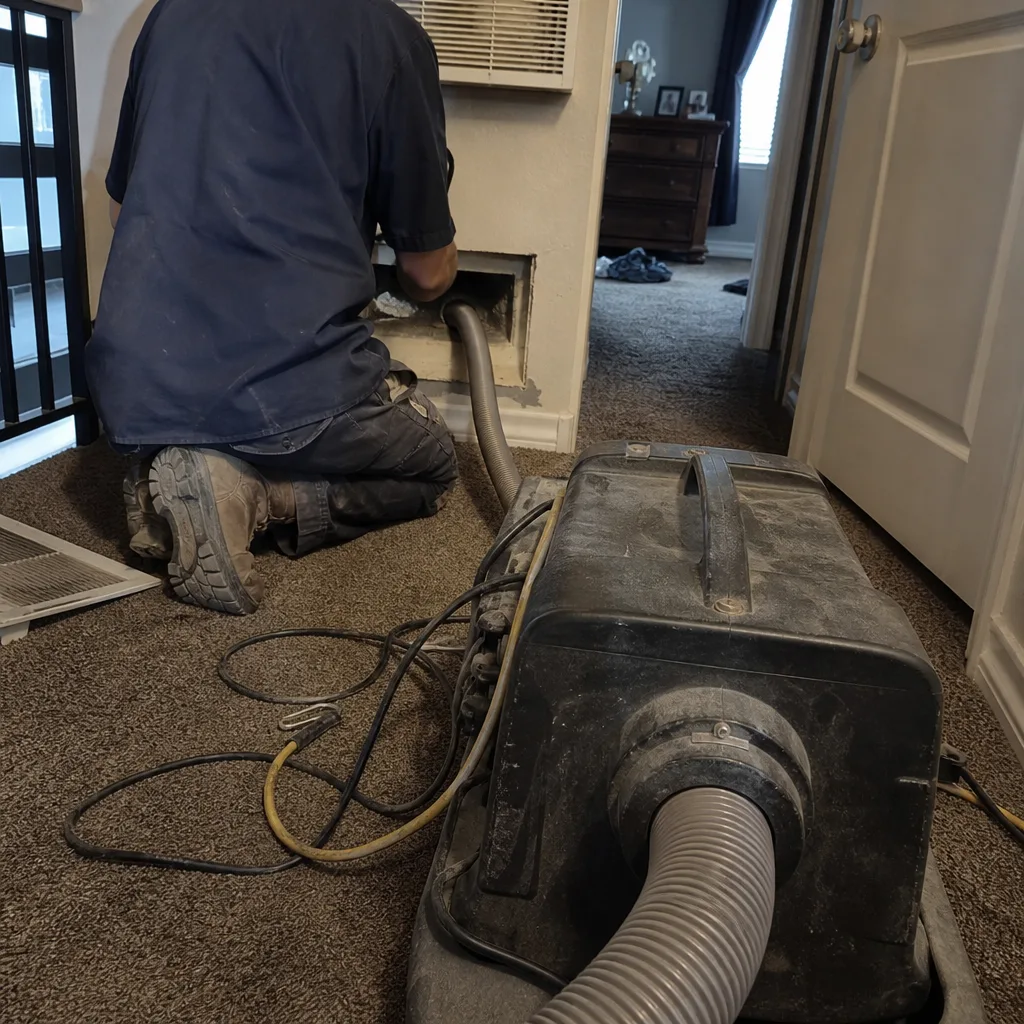 Before
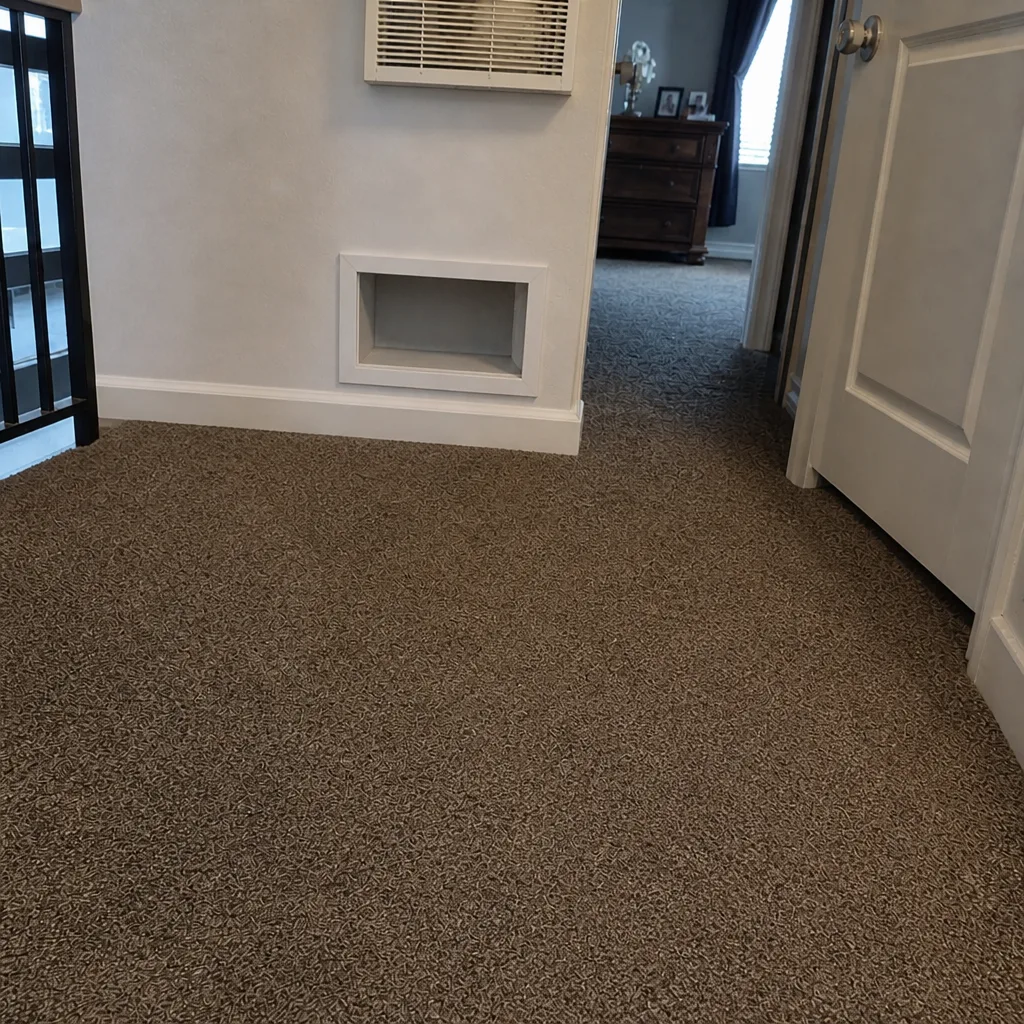 After
When to Call a Professional
You don’t need to wait for visible dust. The clearest signals that it’s time to call in a professional are: visible dust trails near your registers, a noticeable uptick in dust settling on furniture after the HVAC has been running, musty smells when the system turns on, a recent renovation that generated debris, or an unexplained change in airflow to certain rooms. For Salt Lake City homes, the dry winter and spring dust cycle add settling that builds up quietly. If you’ve never had the system cleaned on a home you own, a professional inspection is a reasonable place to start. If your dryer takes longer and longer to finish a load, that’s a vent signal too. Banner Air Duct Cleaning offers free estimates in Salt Lake City – call (855) 752-4416 to book one.
Frequently Asked Questions
The “best” company in Salt Lake City is the one that runs a rotary-brush system for contact cleaning, HEPA-rated extraction on the vacuum side, and air scrubbing during service – and can also repair duct damage in the same visit. Judge accordingly. Call (855) 752-4416 for an estimate.
Pricing is per job and set by a written estimate, because the scope depends on system size, number of registers, and the condition of the ducts. The honest approach is a quote after a brief inspection, not a number promised over the phone. We give a flat price per system agreed before work starts – call (855) 752-4416 for an exact estimate.
Cheaper quotes usually reflect lighter equipment – typically a vacuum without a rotary brush or HEPA-rated extraction, no air scrubber, and no repair capability. The price is low because the work is limited. Ask what machine shows up before you decide the discount is worth it.
Ask for before-and-after photos of your own ducts. Documentation is the standard, and a contractor who does real work will offer it without being asked. If you don’t get photos, you’re relying on the company’s word alone.
Most homes in Salt Lake City do well with a cleaning every few years, more often after a renovation or if the system has visible dust at the registers. There’s no single answer that fits every home, which is why an inspection before scheduling is more useful than a schedule carved in stone.
Yes. Crews familiar with Honeywell and Aprilaire whole-home air-quality equipment know how to clean around that hardware without affecting how it works. Ask before booking so there’s no surprise, and call (855) 752-4416 with the model name.
The Bottom Line
In the Salt Lake City duct cleaning market, brand recognition is a weak signal. Equipment is the strong one. Rotary brush for contact cleaning, HEPA-rated extraction on the vacuum side, air scrubbing during service, and a crew that can fix what’s broken in the same visit – those four things predict the outcome better than any listing site. Verify the equipment, ask for photos, and run the same questions past every contractor you consider. If you’d like to bring us in for a free estimate, call (855) 752-4416. We answer 24/7. Fast dispatch from 7am to 7pm, Sunday through Friday.
Written by the team at Banner Air Duct Cleaning.