
Last updated November 16, 2026
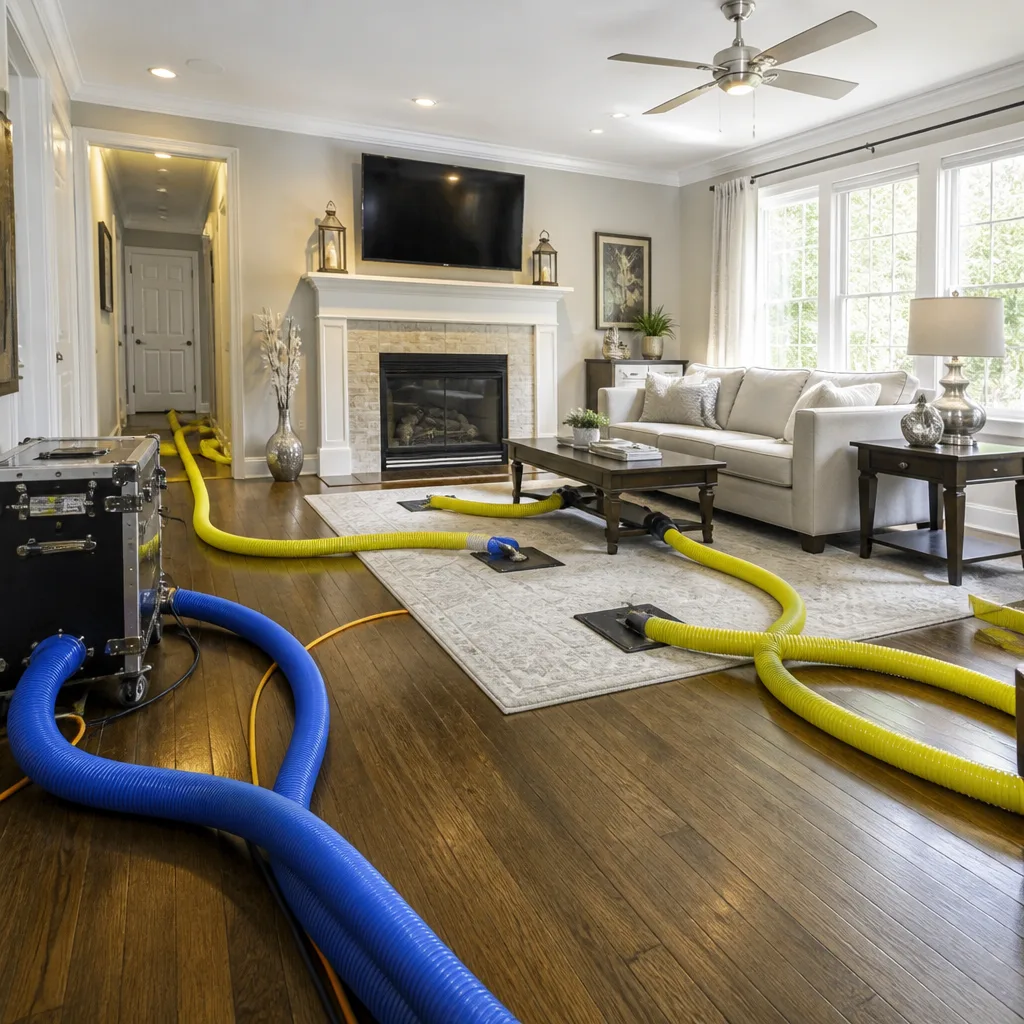 Whole-home duct cleaning
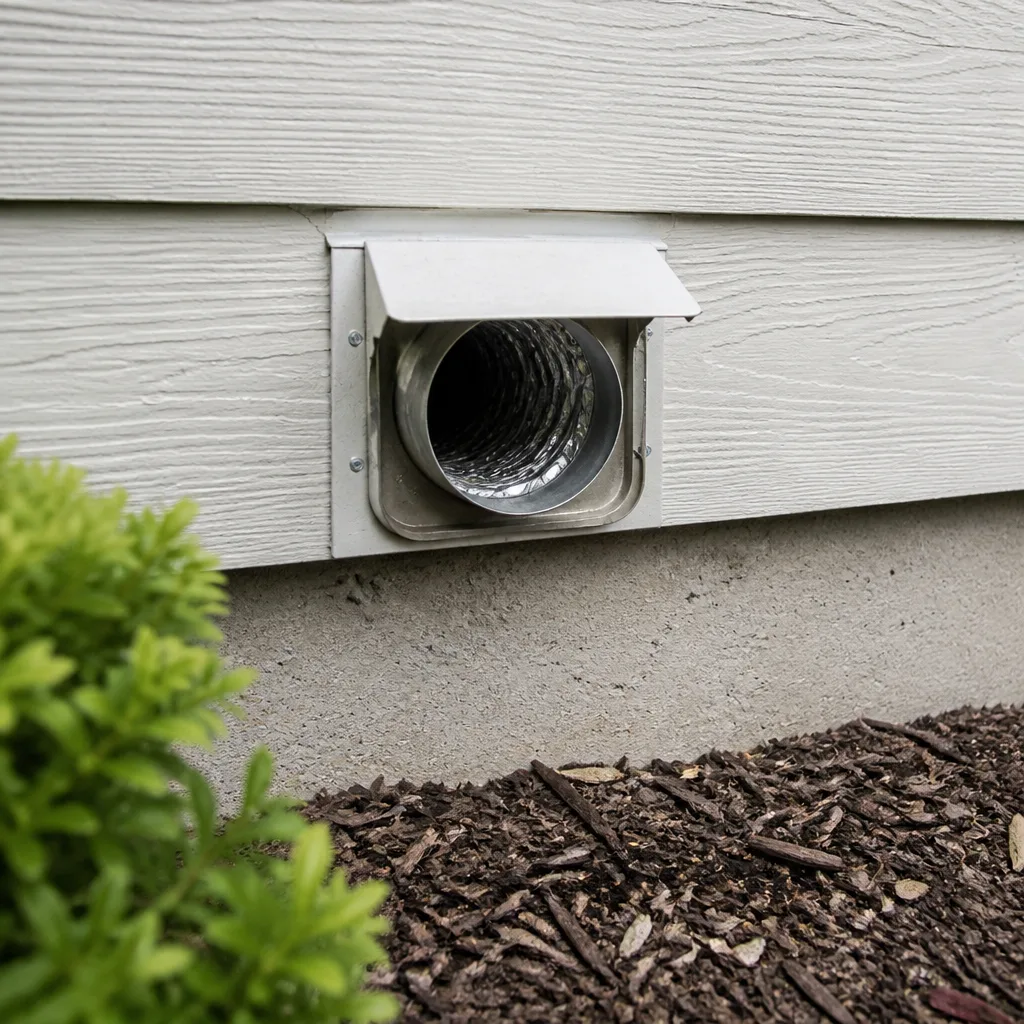 Dryer vent cleaning
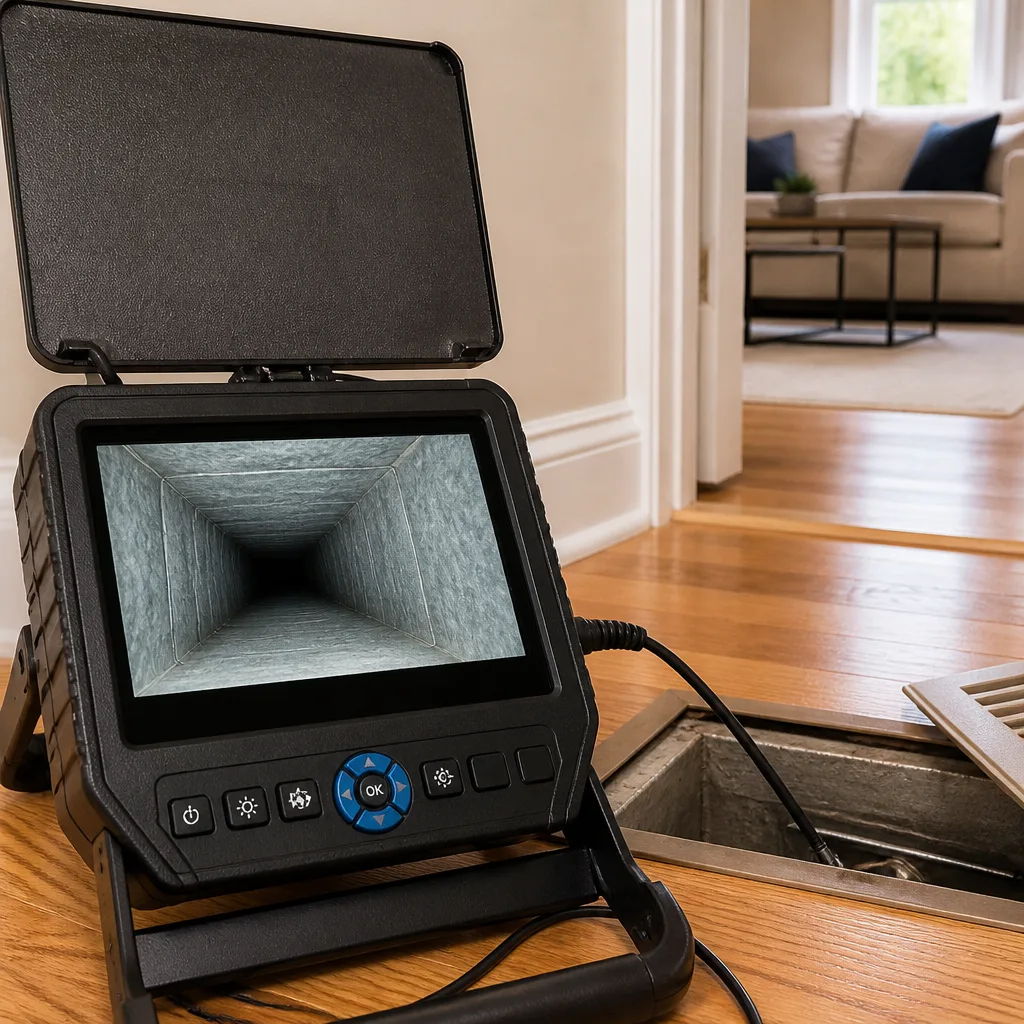 Camera inspection
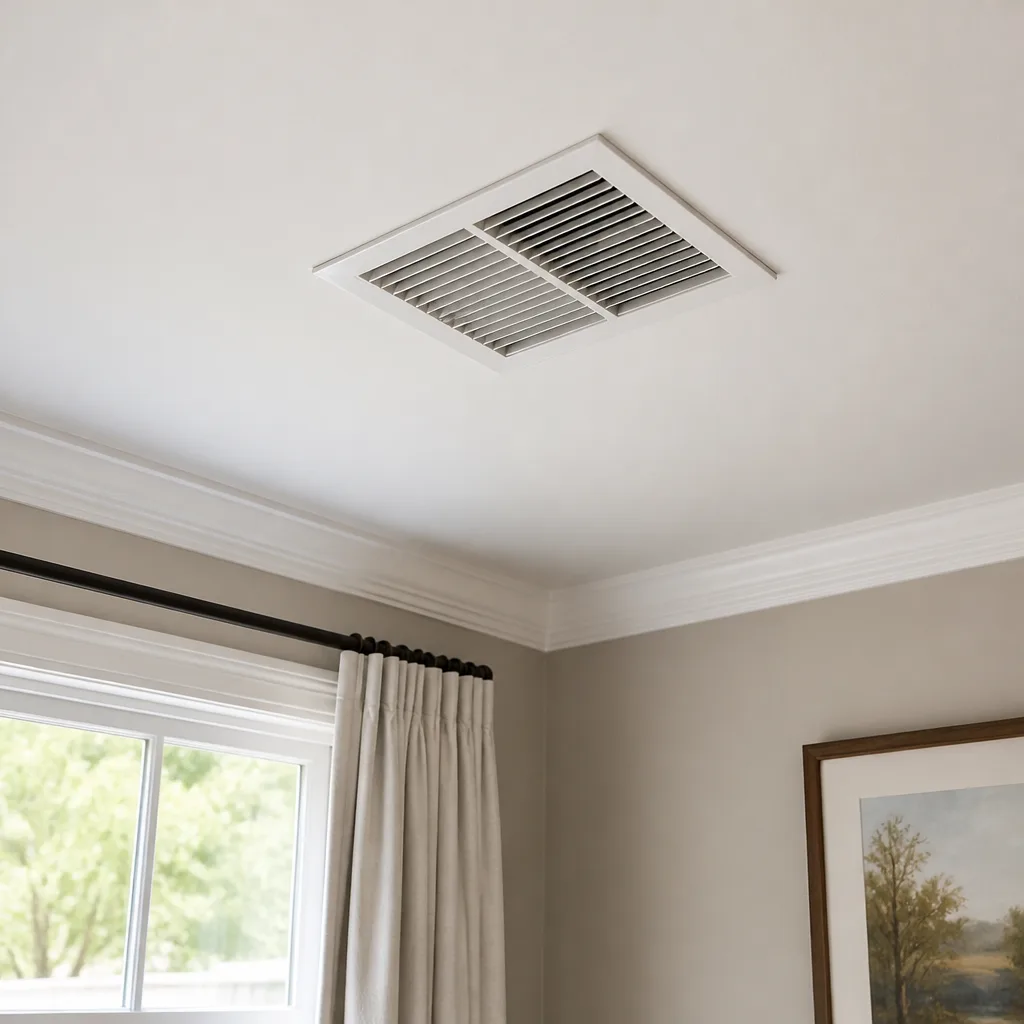 Sanitizing & deodorizing
Whole-system duct and dryer vent check with before-and-after photos - you see exactly what came out of your vents
That "$99 whole-house special" is a bait ad - the real number appears once they are in your hallway, or the "clean" is a shop-vac at the register. We photograph the inside of your ducts before and after instead.
How to Hire an Air Duct Cleaning Contractor in Salt Lake City: A Step-by-Step Guide
Utah does not require a license to clean air ducts. That single fact reshapes the whole hiring decision. Anyone with a shop vac, a website, and a phone number can knock on your door in Salt Lake City and charge you for work that leaves the ducts worse than they found them. No state board checks their equipment. No exam tests their process. The consumer protection you’d normally lean on simply isn’t there.
So the burden shifts to you, and it’s smaller than it sounds. A handful of well-placed questions separate the contractors who run restoration-grade equipment from the ones running a vacuum hose and a marketing budget. This guide gives you those questions, shows you how to read a quote that’s designed to confuse you, and explains what to watch for in the Salt Lake City market specifically. Read it once and you’ll vet any duct cleaner in five minutes.
Quick Answer
To hire an air duct cleaning contractor in Salt Lake City, ask three things before you book: which professional equipment they use (and how), whether they do duct repair as well as cleaning, and what’s included in a whole-system price rather than a per-vent charge. Get a written estimate that names the equipment and covers the full system, verify the crew can fix damage rather than just report it, and treat any bid that’s dramatically cheaper than the rest as a warning, not a deal. Because Utah has no licensing requirement for this trade, your questions are the only credential that matters.
Styles & brands we work with
- Whole-home duct cleaning
- Dryer vent cleaning
- Camera inspection
- Sanitizing & deodorizing
Table of Contents
- Why Utah’s Missing License Matters More Than Any Review
- The Three Equipment Names to Ask About
- What NADCA Membership Tells You (and What It Doesn’t)
- How to Decode a Duct Cleaning Quote
- The Duct Repair Question Most Homeowners Forget
- Salt Lake City Red Flags: Smoke-Season Blitz Operators
- The Five-Minute Vetting Process, Step by Step
- When to Call a Professional
Why Utah’s Missing License Matters More Than Any Review
Most trades you hire around a Salt Lake City home come with a license attached. Electricians, plumbers, general contractors: all regulated, all carrying a paper trail you can check. Air duct cleaning sits outside that system in Utah. There’s no state license to verify, no exam to pass, no continuing education requirement. The barrier to entry is a van and a phone.
That doesn’t mean every unlicensed operator is a bad actor. Plenty of skilled crews work without a state credential because the state doesn’t offer one. But it does mean reviews and a slick website can’t fill the gap the way they might for a licensed trade. A company can collect five-star reviews from jobs where the homeowner had no way to see what happened inside the ducts. The work is largely invisible, which is exactly why the wrong operator can get away with it.
What you’re really screening for is process and equipment. A contractor who can explain, in plain terms, how they agitate debris off the duct walls and how they capture it before it enters your living space is a contractor who understands the job. One who can’t describe the steps beyond “we vacuum it out” is guessing. And because there’s no license board to catch a bad job, the questions in this guide are the only quality control you’ve got.
The upside is that a serious local outfit tends to stand out fast. A company that invests in professional equipment and repair capability has money on the line that a fly-by-night operation doesn’t. That investment shows up in how they answer your questions, and it’s the clearest signal you’ll get in a market with no license requirement.
The Three Equipment Names to Ask About
Air duct cleaning is not one machine and a hose. A real job involves mechanical agitation to break debris loose from the duct walls, then high-efficiency extraction to pull it out of the house, then containment so the dust that gets stirred up doesn’t settle back into your rooms. Consumer-grade vacuums and rental-counter tools do one of those things, badly. Professional systems do all three.
Here’s the practical move: ask the contractor to name their equipment and explain how they use it. Three names come up repeatedly in professional duct cleaning, and if a contractor can’t speak to any of them, that tells you something.
- Rotobrush is a rotary-brush system that mechanically scrubs the inside of the ductwork, knocking loose the debris that’s stuck to the walls. A vacuum alone won’t pull off caked-on dust; agitation is what frees it.
- Nikro builds HEPA-rated vacuum extraction systems designed to capture fine particles rather than blow them back into the room. HEPA filtration is what makes the difference between removing contaminants and just moving them around.
- Abatement Technologies makes air scrubbers, remediation-grade machines that run during the service to contain displaced particles. This is the same category of equipment used on mold and restoration jobs, deployed here to protect your home while the cleaning happens.
At Banner Air Duct Cleaning, these are the systems we run: Rotobrush for agitation, Nikro for HEPA extraction, Abatement air scrubbers for containment during the job. We mention them not as a sales pitch but because they’re the questions you should be asking anyone. If a contractor uses consumer-grade vacuums, they’re not equipped to do the job properly, and no amount of cheerful marketing changes that. The equipment is the process.
What it means if they can’t answer
A contractor who pauses, deflects, or says “we use the best equipment available” without naming it is likely running a shop vac and a length of hose. That’s not a duct cleaning; it’s surface agitation that can actually make things worse by loosening debris without capturing it. Restoration-grade equipment, not rental-counter tools, is the line that separates the two, and it’s a line you can draw yourself in a two-minute phone call.
What NADCA Membership Tells You (and What It Doesn’t)
NADCA, the National Air Duct Cleaners Association, sets industry standards and offers a certification for duct cleaning. Membership and certification are genuine credibility signals, because they require a company to meet a baseline and stay current with accepted practice. When a Salt Lake City contractor is NADCA-certified, that’s worth something. It means they’ve at least engaged with the industry’s own standards.
But certification is not a guarantee, and it shouldn’t end your vetting. It confirms a company has met a standard on paper. It doesn’t confirm the crew that shows up at your house runs professional equipment, takes before-and-after photos, or can repair what it finds. Plenty of poor jobs have been done by certified companies. Use the credential as a starting filter, then keep asking. The follow-up questions matter more than the badge:
- Which equipment will the crew actually bring? Certification doesn’t lock in the hardware. Ask for names and how each machine is used on the job.
- Will you show me before-and-after photos of my own system? A confident contractor will document the work. One who resists has something to hide.
- What’s your source-removal process? The standard is to clean the whole system, not just the visible runs. Ask whether registers, grilles, and the air handler area are part of the job.
- Can you repair duct damage if you find it? Cleaning and repair are different skills. A certified cleaner who can’t fix a disconnected joint is only half-equipped.
Treat certification as the floor, not the ceiling. The contractor who can answer all four of those questions clearly is the one worth hiring, certified or not. The one who leans on the badge and dodges the specifics isn’t.
How to Decode a Duct Cleaning Quote
Duct cleaning quotes in Salt Lake City vary wildly, and the variance is where most homeowners get burned. The low bid is usually low for a reason, and the reason is almost always a stripped-down process or a bait-and-switch. Here’s how to read what you’re handed.
First, a legitimate quote is a whole-system price, not a per-vent charge. Per-vent pricing lets a company advertise an attractive per-vent number and then add charge after charge once the technician is in your home and counting vents. It hides the real total. A whole-system bid names a single price for the full job, so you know what you’re paying before anyone arrives.
Second, a real quote includes line items you can read. Look for:
- Equipment named, describing what will be used and how.
- Scope of the system covered: supply runs, return runs, registers, and the air handler area.
- Containment: whether air scrubbers or HEPA equipment will be running during the job.
- Repair allowance: what happens if damage is found, and whether repair is priced separately.
- Before-and-after documentation: photos of your system so you can verify the work.
Third, the price should be one flat figure per system, agreed before work starts. That’s the arrangement we work to at air duct cleaning in Salt Lake City: one flat price per system, set by a written estimate, with before-and-after photos so you can see exactly what changed. No per-vent math, no surprise add-ons. When a quote is built that way, it’s easy to compare apples to apples.
Why the cheapest bid usually signals the worst process
A dramatically low bid almost always means something got cut. Maybe the crew skips agitation and just vacuums. Maybe they don’t run containment, so the dust they loosen ends up on your furniture. Maybe they use consumer-grade vacuums that can’t capture fine particles. The price is low because the work is thin. You’re not getting a bargain; you’re paying for the appearance of duct cleaning. In a market with no licensing requirement, price is not a proxy for quality, and the very cheapest quote is often the strongest warning in the stack.
The Duct Repair Question Most Homeowners Forget
Here’s the part of the hiring decision most people skip: repairing duct damage. Cleaning removes debris, but it doesn’t fix a duct that’s come apart at a joint, a flexible run that’s torn, or a section that’s crushed and restricting airflow. A duct cleaning contractor who only cleans will find those problems, mention them, and then leave, because fixing them isn’t what they do. You’re left to schedule a separate HVAC contractor, and the job splits in two.
The better question to ask before booking is simple: “Do you do duct repair as a standalone service?” A company that can locate and correct leaks, disconnects, and damage as part of the same visit is doing a real fix, not a one-time flush. That’s how we work at Banner Air Duct Cleaning. We clean it and, if it’s broken, we fix it. It’s the difference between a contractor who hands you a problem report and one who leaves your system actually working.
There’s a secondary reason this matters. A cleaning-only contractor has a subtle incentive to downplay damage they find, because they can’t fix it and mentioning it too loudly invites questions about why they did the job at all. A contractor with repair capability has no reason to soften the report. If something’s wrong, they’ll tell you plainly and have a way to address it. When you’re vetting quotes, ask how the company handles discovered damage. The answer tells you a lot about what kind of operator you’re dealing with.
Salt Lake City Red Flags: Smoke-Season Blitz Operators
If you’ve lived in Salt Lake City through a wildfire smoke season, you know the pattern. The air turns thick and orange, and within days your mailbox and social feeds fill with duct cleaning offers promising to clear out the smoke residue. Some of these are local companies doing real work. Many are out-of-state operators who roll into the market for the event, run a high-pressure, low-quality blitz, and leave before anyone can call them back on a bad job.
The blitz model is built on urgency. The pitch leans on the smoke, pushes a same-day appointment, and quotes a price that seems generous until the add-ons appear. The equipment behind it is often consumer-grade. The crew may not run containment, so the very particles they’re supposed to remove get stirred into the house and settle back onto surfaces. By the time homeowners realize the ducts are no cleaner, the company is a disconnected phone number. Salt Lake City, with its bowl geography that holds smoke and inversion layers over the valley, is a natural target for this pattern.
How to spot a blitz operator:
- No verifiable local presence. The phone number changes, the address is vague, and there’s no consistent business identity to check.
- Pressure to book immediately. Real companies don’t need you to decide in the next ten minutes.
- Per-vent pricing with a low teaser. The advertised number is the hook; the real total arrives on-site.
- No equipment to name. Ask about Rotobrush, Nikro, or Abatement scrubbers and see whether the conversation stalls.
- No repair capability and no before-and-after documentation. Two easy outs for a company that can’t back up the work.
Contrast that with a company that treats the Salt Lake City valley like a home market. They’ll talk about the specific conditions here, they’ll answer equipment questions directly, and they’ll put the work in writing with photos. When the smoke clears, they’re still reachable. That’s the signal you want.
The Five-Minute Vetting Process, Step by Step
You don’t need an afternoon to vet a duct cleaning contractor. You need five minutes and the right sequence of questions. Work through them in order, and you’ll sort the serious outfits from the noise without much effort.
- Ask about equipment first. Have them name the systems they use and explain how each is applied. Rotobrush for agitation, Nikro for HEPA extraction, Abatement air scrubbers for containment, or comparable professional equipment. If they can’t describe the process past “we vacuum,” move on.
- Ask whether they do duct repair. Confirm they can fix leaks, disconnects, and damage, not just report it. If they can’t repair, ask how they handle damage they find, and listen for whether the answer makes sense.
- Request a written, whole-system quote. It should name the equipment, the scope, containment, repair handling, and before-and-after documentation. Per-vent pricing is a red flag.
- Confirm one flat price per system. The written estimate should set the final price, agreed before anyone starts. No per-vent add-ons, no on-site surprises.
- Check the local footprint. Look for a consistent business identity, a reachable phone number, and a company that can talk about Salt Lake City conditions specifically. Treat out-of-state blitz operators with caution after a smoke event.
- Ask how you’ll verify the work. Before-and-after photos of your own system are the easiest proof. A contractor who offers them is confident; one who doesn’t is telling you something.
Run through that list once and you’ll know whether you’re talking to a real operator. The questions are short, the answers are revealing, and none of them require you to know the trade yourself. Our technicians have up to 11 years of experience with these systems, and we welcome the questions because they’re the right ones to ask.
If you’re also thinking about the rest of your home’s air system, the same vetting applies to dryer vent cleaning. A clogged dryer vent is a documented leading cause of residential fires, and it deserves the same equipment and process questions you’d ask about your ducts. Lint buildup reduces dryer efficiency and raises fire risk, and a company that treats it like a real safety job, not an afterthought, will tell you so.
Worth Knowing Before You Book: Whole-Home Air Quality Systems
Many Salt Lake City homes have whole-home filtration or humidification equipment tied into the HVAC system, and cleaning around that gear requires some familiarity. Units built around Honeywell and Aprilaire systems have specific expectations for how surrounding ductwork and components are handled during service. A crew that doesn’t recognize those systems can inadvertently do damage or void a manufacturer’s expectations.
If your home has a whole-home air cleaner, humidifier, or similar equipment, mention it when you request a quote and ask how the contractor plans to work around it. At Banner Air Duct Cleaning, we’re trained on Aprilaire and Honeywell systems, which means we can clean around that equipment and advise on it without stepping on the manufacturer’s expectations. This is the kind of detail a serious contractor appreciates being asked about, and a thin one tends to gloss over. It’s another small question that separates the equipment-serious from the rest.
See the difference
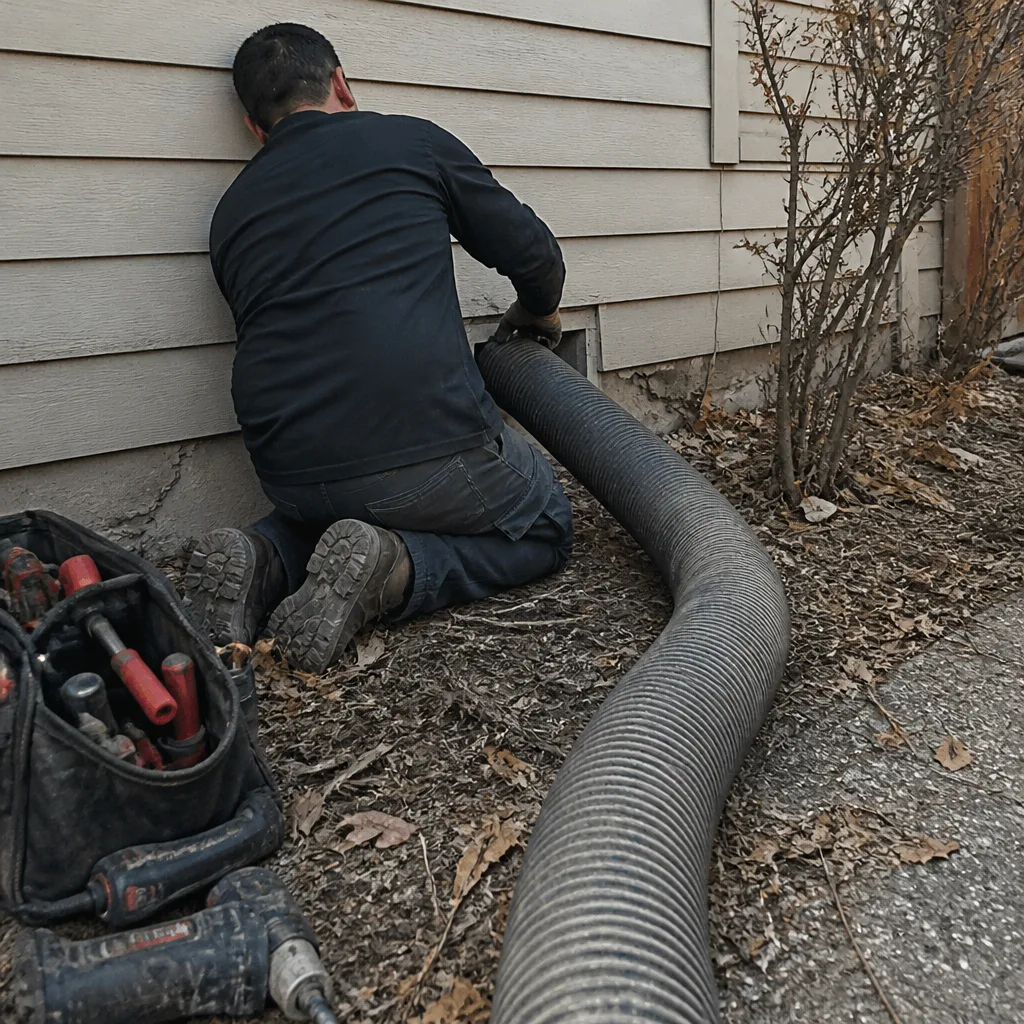 Before
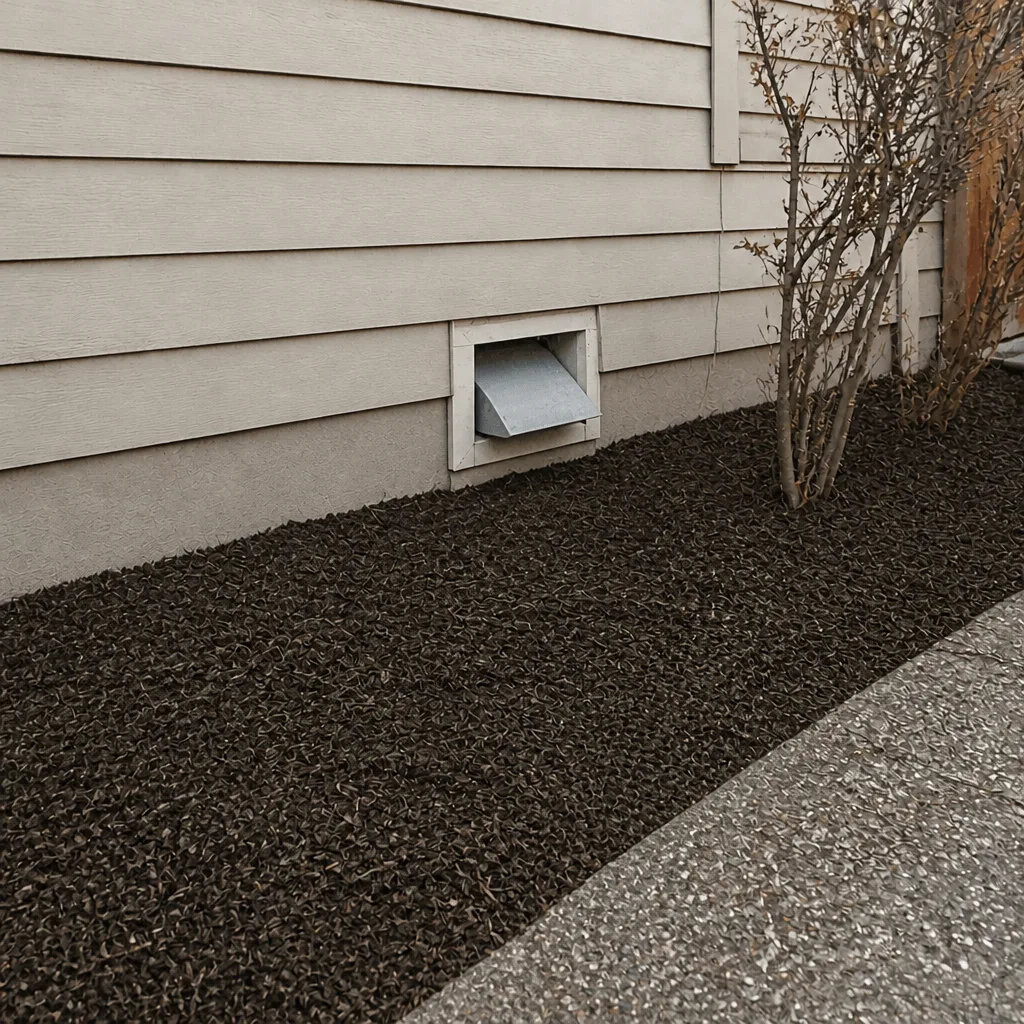 After
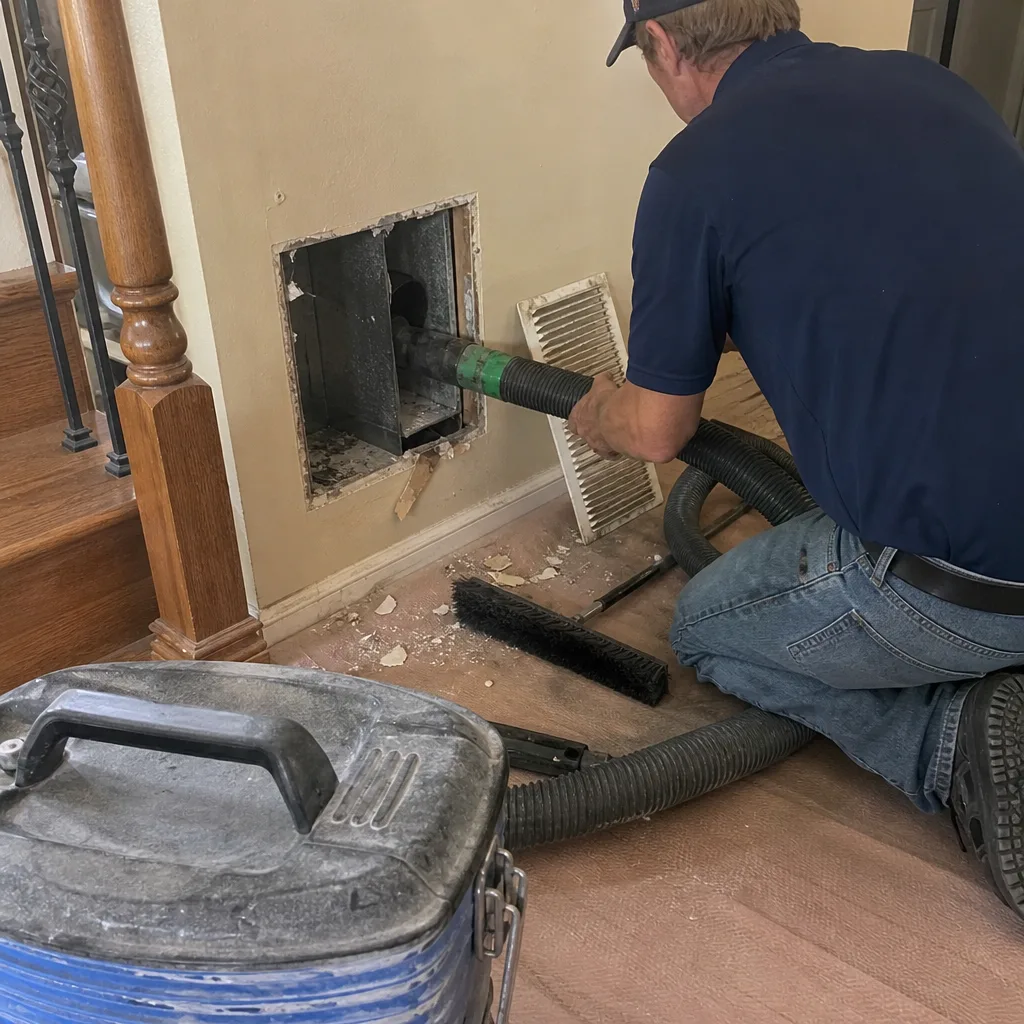 Before
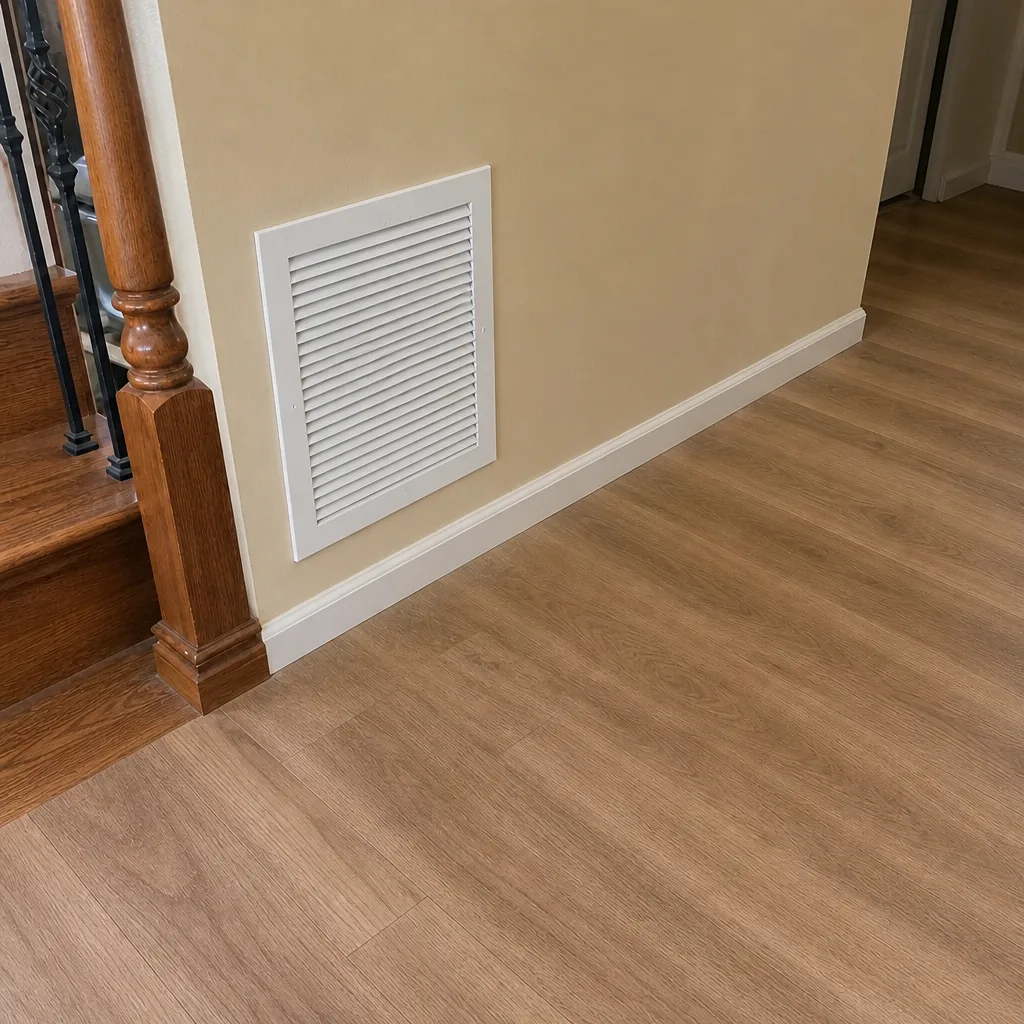 After
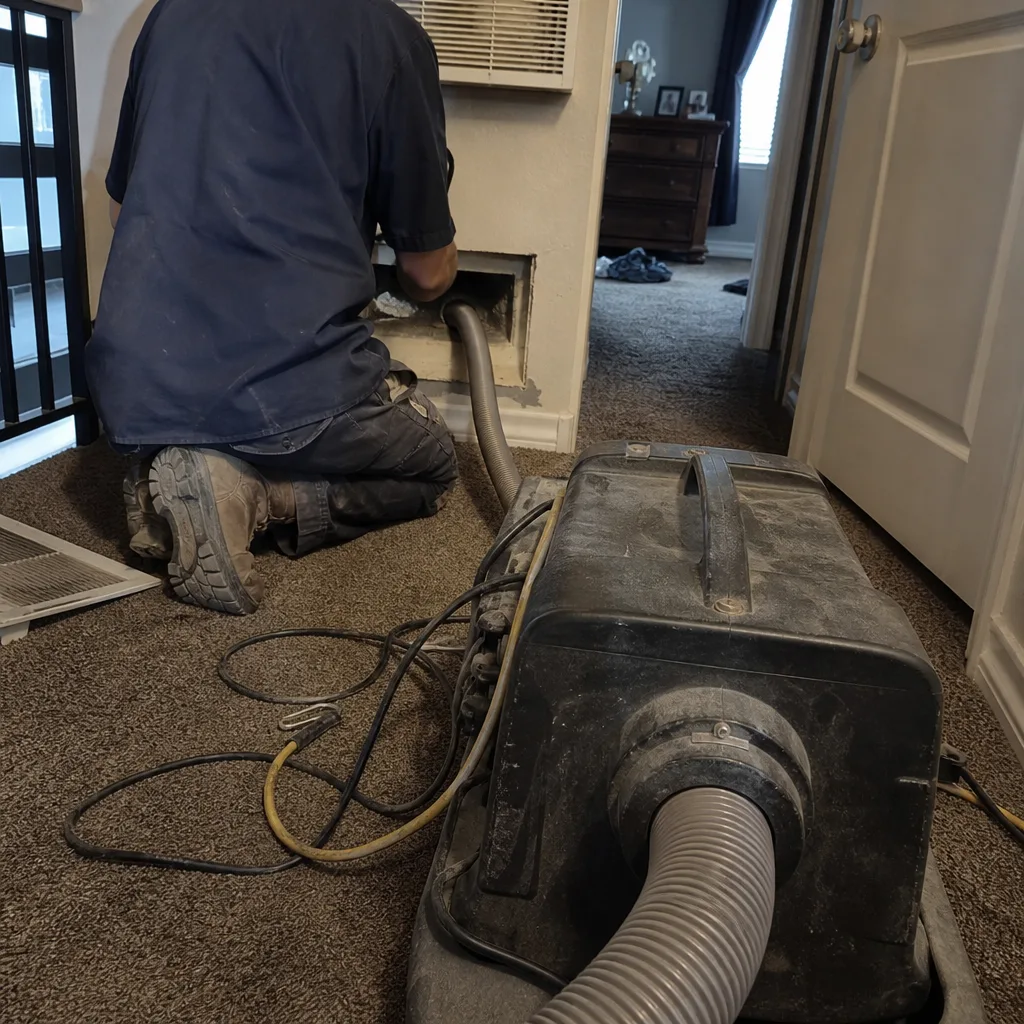 Before
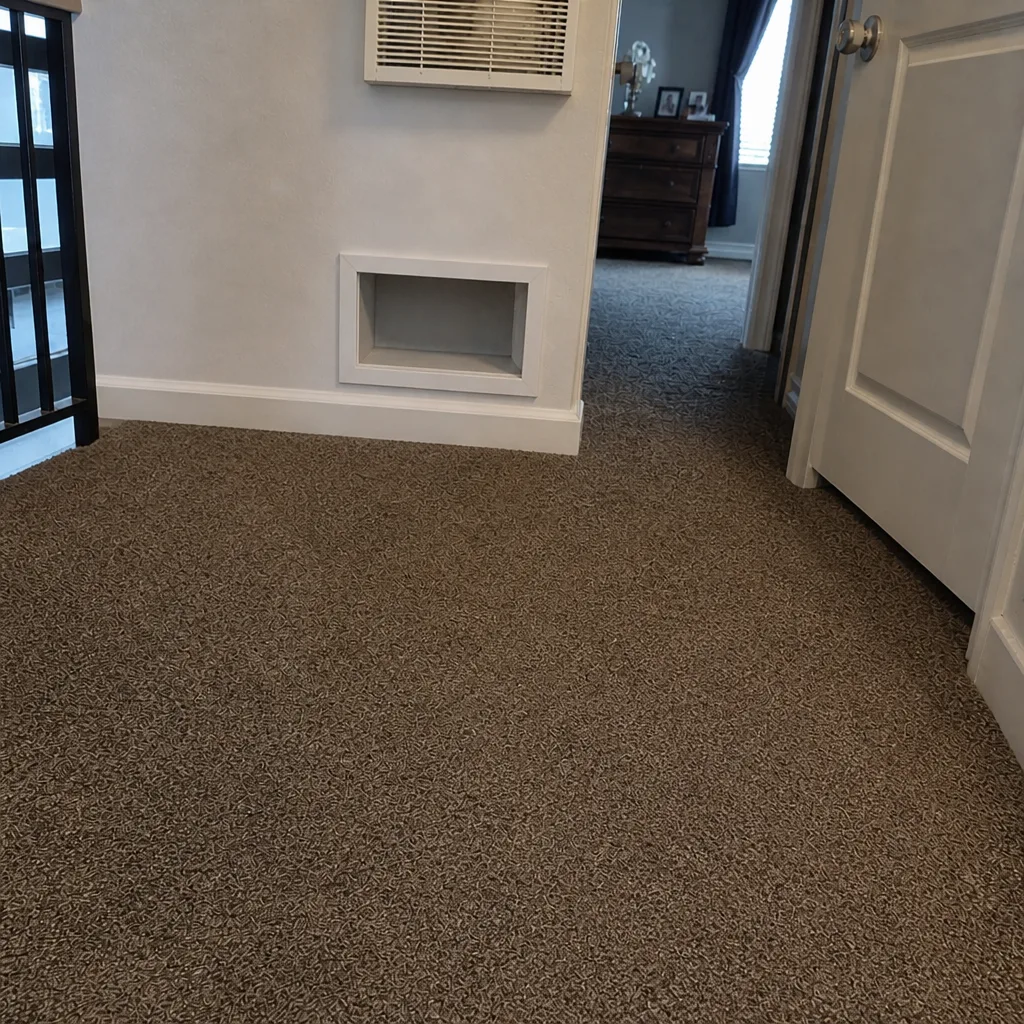 After
Common Mistakes to Avoid
- Booking on price alone. The cheapest bid in Salt Lake City is usually the thinnest process. In a state with no duct cleaning license, price tells you almost nothing about quality, so treat the lowest quote as a question, not a deal.
- Accepting a per-vent price. Per-vent pricing lets a company advertise low and charge more once the technician counts vents on-site. Insist on a whole-system price in writing before you book.
- Never asking about equipment. A contractor who can’t name and explain their systems, whether Rotobrush, Nikro, or Abatement scrubbers, is likely working with consumer-grade tools. The equipment is the job.
- Skipping the repair question. A cleaning-only contractor can’t fix duct damage and may downplay what they find. Ask upfront whether repair is a standalone service, so your ducts actually get fixed, not just flushed.
- Falling for a smoke-season blitz. After a wildfire smoke event, out-of-state operators flood Salt Lake City with urgent, high-pressure offers. Check for a consistent local footprint before you hand over payment.
- Booking without asking about verification. If the company doesn’t offer before-and-after photos of your own system, you’ll have no way to know the work was done. Ask before you book, not after.
- Forgetting the dryer vent. Duct cleaning and dryer vent cleaning get treated as the same purchase by discount companies. They’re not. Your dryer vent is a documented fire risk and deserves real attention, not a quick pass with a shop vac.
When to Call a Professional
Air duct cleaning isn’t an annual maintenance item you schedule on autopilot. It’s a call you make when there’s a reason. If you’ve noticed visible dust blowing from registers after the HVAC kicks on, if the system has never been cleaned and you’ve just moved into a Salt Lake City home, if you’ve been through a renovation that kicked up construction dust, or if smoke season left you wondering what’s settled in the ducts, those are the moments. Same goes for a dryer that’s taking longer to dry clothes or a vent you can’t remember ever being cleaned: that one’s a fire risk, and it’s worth a call.
Banner Air Duct Cleaning offers free estimates in Salt Lake City. If you’re ready to vet a contractor with the questions from this guide, call (855) 752-4416. We answer 24/7. Fast dispatch from 7am to 7pm, Sunday through Friday. One flat price per system, agreed before work starts, with before-and-after photos of your own ducts.
Frequently Asked Questions
Duct cleaning in Salt Lake City is priced per job by a written estimate, and the range depends on the size of the system, the number of runs, and whether repair is needed. We give one flat price per system, agreed before work starts, with no per-vent add-ons. The easiest way to get your number is to call (855) 752-4416 for a free estimate. We answer 24/7.
No. Utah does not require a license to clean air ducts, which is why asking about equipment and process matters more than checking a credential. Anyone can offer the service, so the contractor’s ability to explain their systems and show before-and-after documentation is your real quality control. Call (855) 752-4416 for an exact quote.
A very low quote usually means the process was cut: no agitation, no containment, consumer-grade vacuums, or per-vent pricing that grows on-site. The low number is often the bait, and the real invoice arrives after the technician is in the home. One flat price per system, set in writing, is the honest alternative. Call (855) 752-4416 to compare a real estimate.
Ask for before-and-after photos of your own system. A contractor who documents the work is one you can verify; a contractor who resists is one you can’t. We provide photos of your ducts so you can see what changed. Call (855) 752-4416 to get started.
We do both. Air duct repair is a standalone service for us, which means we locate and correct leaks, disconnects, and damage that cleaning alone can’t solve. A cleaning-only contractor will report problems but can’t fix them. Call (855) 752-4416 for a free estimate on cleaning and repair.
There’s no fixed schedule. Most Salt Lake City homes do fine with cleaning tied to a reason: a move-in, a renovation, visible dust from registers, or smoke that settled into the system during a wildfire season. Buying it annually on autopilot isn’t necessary. Call (855) 752-4416 and we’ll help you decide whether your ducts actually need it.
The Bottom Line
Hiring a duct cleaning contractor in Salt Lake City comes down to a few questions asked in the right order. Utah’s missing license means the burden of vetting falls on you, and that’s manageable once you know what to ask. Get equipment names and how they’re used. Ask whether the contractor can repair damage as well as clean, because a crew that can fix what it finds has no reason to downplay it. Insist on a written, whole-system price rather than a per-vent teaser, and treat the cheapest bid as a warning. Watch for smoke-season blitz operators with no local footprint. Run through the five-minute process on every quote you receive, and you’ll find the equipment-serious contractor behind the good price. If you’re ready to get started, we’re glad to walk through it with you: Salt Lake City homeowners deserve a clear answer, and we’re happy to give one.
Call (855) 752-4416 for a free estimate. We answer 24/7. Fast dispatch from 7am to 7pm, Sunday through Friday. One flat price per system, agreed before work starts, before-and-after photos of your own ducts, and licensed and insured technicians with up to 11 years of experience. We clean it and, if it’s broken, we fix it.
Written by the team at Banner Air Duct Cleaning.