
Last updated November 16, 2026
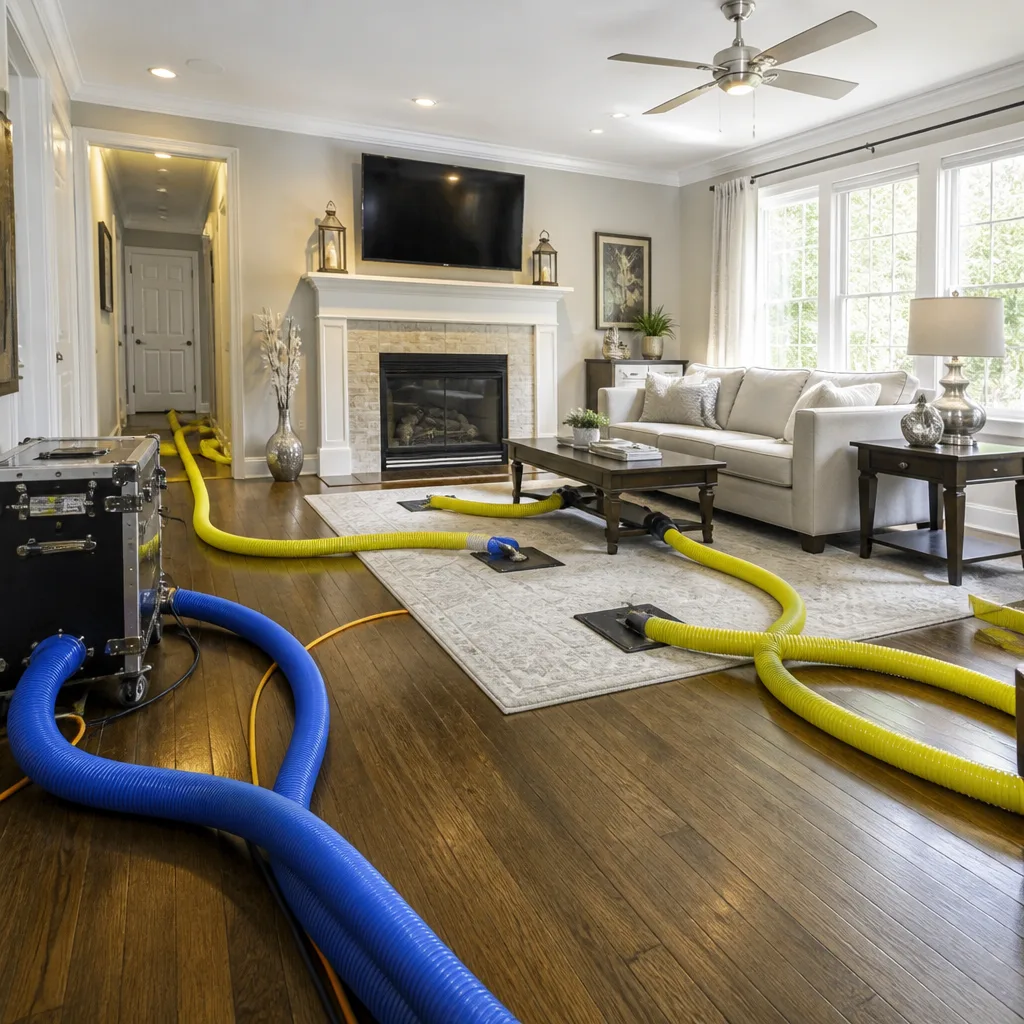 Whole-home duct cleaning
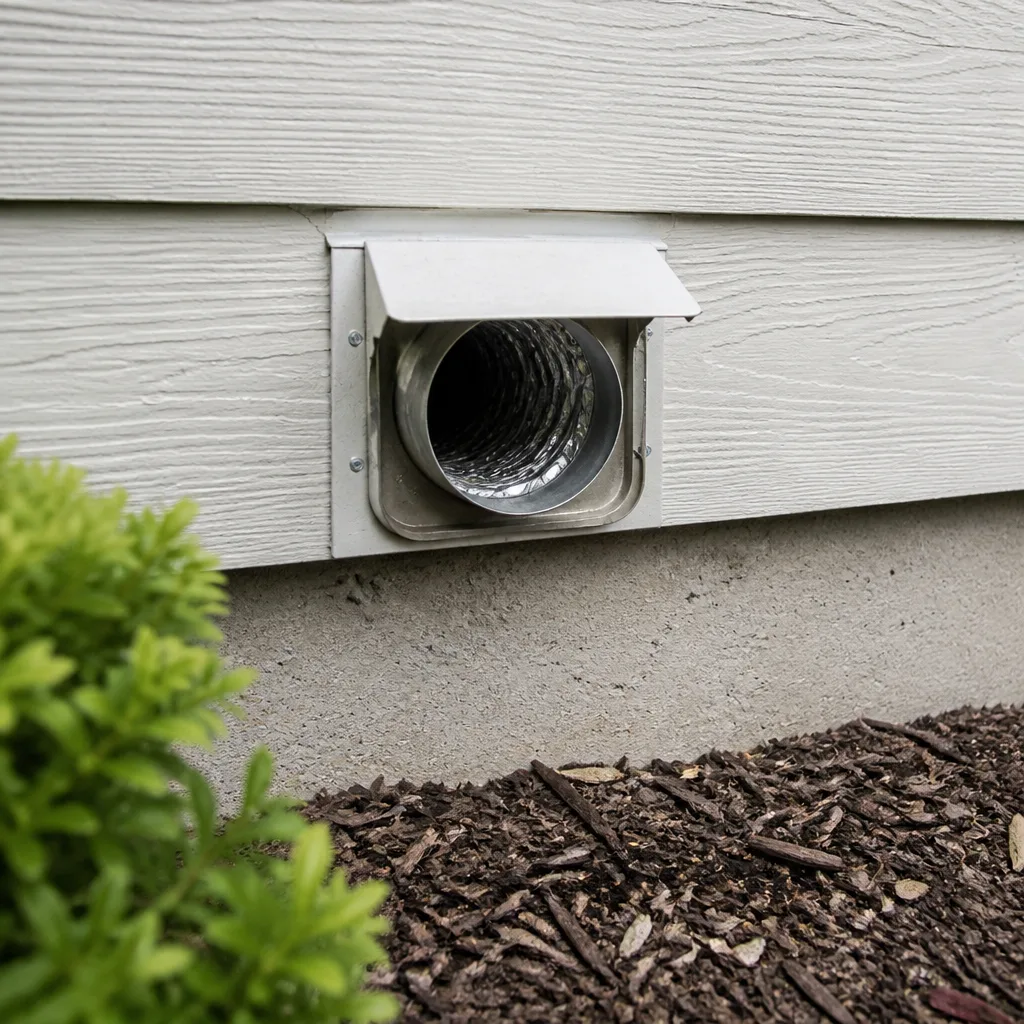 Dryer vent cleaning
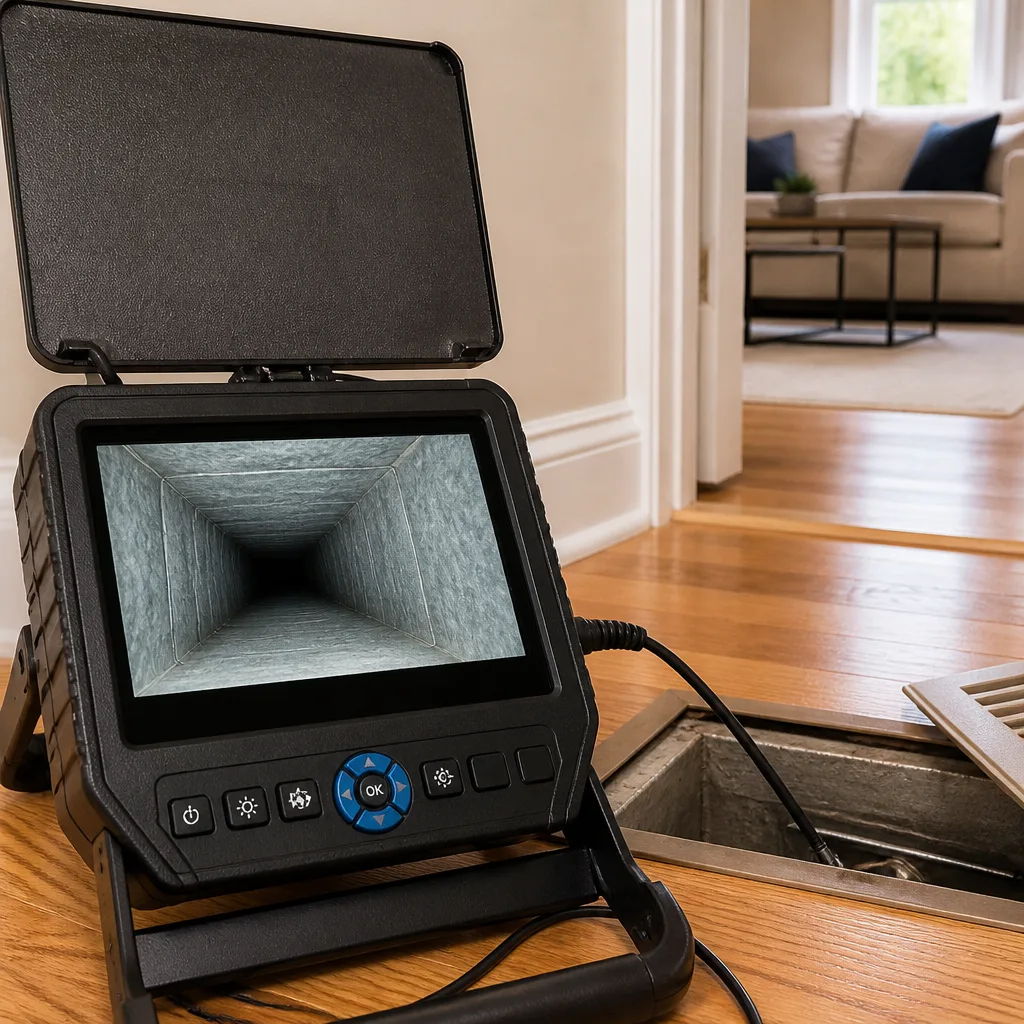 Camera inspection
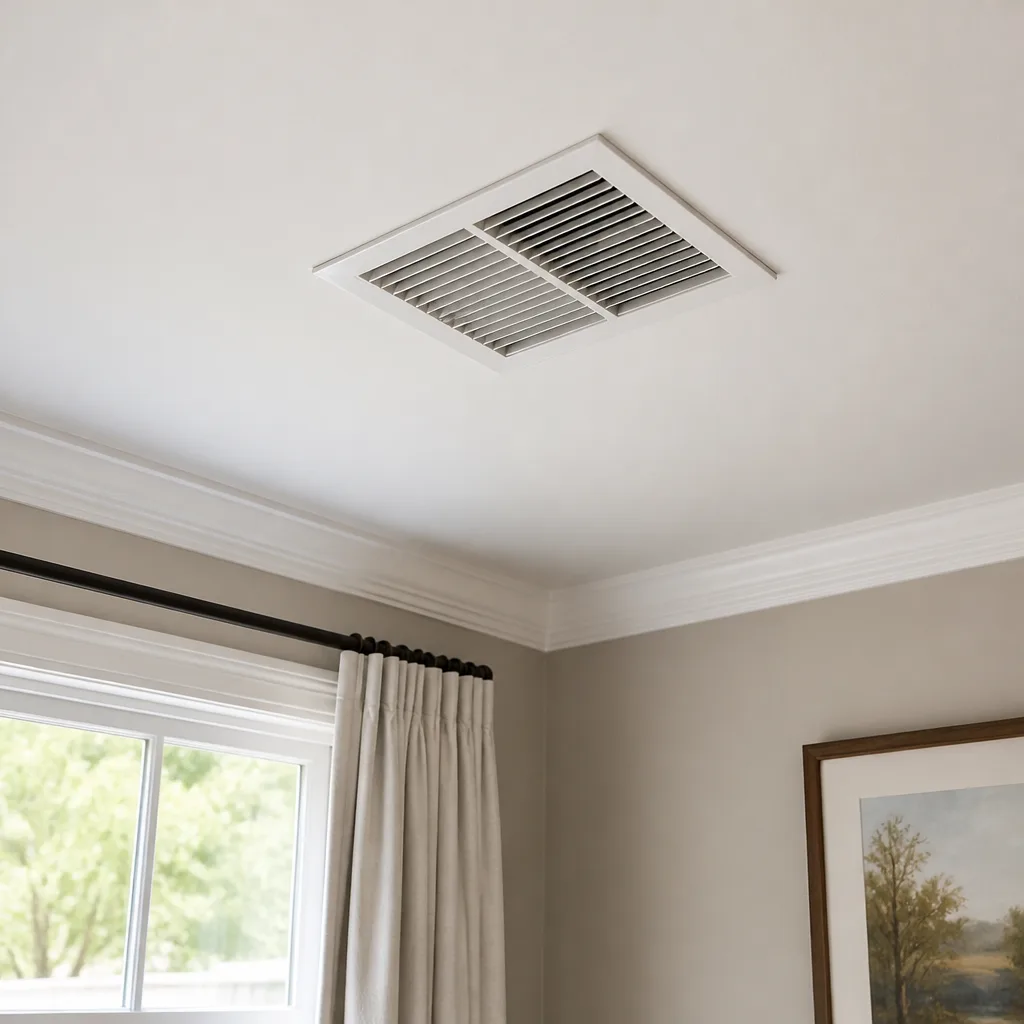 Sanitizing & deodorizing
Whole-system duct and dryer vent check with before-and-after photos - you see exactly what came out of your vents
That "$99 whole-house special" is a bait ad - the real number appears once they are in your hallway, or the "clean" is a shop-vac at the register. We photograph the inside of your ducts before and after instead.
Seasonal Air Duct Cleaning Care for Salt Lake City: Year-Round Homeowner’s Guide
Most homeowners treat duct cleaning as an annual box to tick, usually in the fall before the furnace comes on. That schedule doesn’t match how contamination actually builds up in Salt Lake City. A home here doesn’t face one pollution season, it faces four, each leaving a different kind of debris in the same ductwork. Wildfire smoke in late summer, particulate inversions in January, landscaping and construction dust through spring, and the first furnace cycle of fall pushing a whole summer’s accumulation into living spaces. Clean once a year and you’re always reacting to what already settled. This guide walks through what each Salt Lake City season does to your ducts, how to read the signals, and how to build a two-year cycle that alternates deep cleaning with inspection and repair.
Quick Answer
Air duct cleaning in Salt Lake City works best on a season-aware schedule rather than a fixed annual date. In practice that means a deep cleaning timed before heating season, a filter change and return-duct check during inversion months, a post-winter assessment in spring when dust surges, and a deliberate response within 72 hours of a heavy wildfire smoke event. Many homes do well on a two-year cycle that alternates a full deep cleaning with an inspection-and-repair year, adjusted to what the ducts actually show.
Styles & brands we work with
- Whole-home duct cleaning
- Dryer vent cleaning
- Camera inspection
- Sanitizing & deodorizing
Table of Contents
- Fall: Before the First Furnace Cycle
- Winter: Inversion Season and Your Return Ducts
- Spring: Construction and Landscaping Dust
- Summer: The 72-Hour Wildfire Smoke Protocol
- Building a Two-Year Duct Maintenance Cycle
- How to Tell If You Actually Need a Cleaning
- Repair vs. Cleaning: Why the Distinction Matters
- What Professional Equipment Actually Does
Fall: Before the First Furnace Cycle
That first cold morning when the furnace kicks on is the moment a summer’s worth of dust, pollen, and settled debris gets pushed through every supply register in the house at once. The smell people describe as “dusty” or “burning” is partly the heat exchanger warming up, but it’s also a full season of accumulation going airborne. Timing a deep cleaning before that first cycle means the air moving into your rooms is starting from a cleaner system, not redistributing what collected while the system sat mostly idle.
Fall is also when ducts in Salt Lake City homes are most likely to reveal problems that cleaning alone won’t fix. Summer cooling season stresses joints and connections, and a duct that’s been slowly separating at a seam becomes obvious once air starts moving harder. In our experience, September and October inspections turn up disconnected flex runs and crushed sections behind registers more often than any other time of year.
A sensible pre-heating checklist looks like this:
- Inspect and photograph the return registers before the first furnace cycle. Visible dust matting on the grille is a signal worth acting on.
- Check the filter and note the date you install the new one. A filter that’s been sitting since spring has been collecting whatever settled in the return during the cooling season.
- Walk the accessible duct runs in the basement or attic for disconnected joints, sagging flex, or crushed sections.
- Schedule a deep cleaning before the heating season starts, when there’s still scheduling room and no rush.
- After cleaning, run the system on fan-only for a short cycle to confirm airflow is even at each register.
If fall cleaning is the anchor of the year, it’s also the one job worth doing thoroughly rather than quickly. The details of how an air duct cleaning job should actually run, start to finish, matter more than the season you book it in.
Winter: Inversion Season and Your Return Ducts
Salt Lake City’s winter inversions trap cold air and particulate close to the valley floor, and those elevated PM2.5 days put a real load on your return side. Return ducts are the intake for the entire system, and whatever is suspended in the air that gets pulled back through the returns settles on the duct surfaces and in the filter. On a stretch of inversion days, a filter that would normally last three months can load noticeably faster.
That doesn’t mean swapping filters every week. It means checking them. The practical test is simple: hold the filter up to a light. If you can’t see light through the pleats, it’s time. If you can, it isn’t, no matter what the calendar says. During an extended inversion period, checking monthly is reasonable. Most Salt Lake City homeowners find one mid-season swap gets them through to spring.
The other winter signal worth watching is what your return grilles look like. Fine gray dust accumulating on the supply-side grilles, or dark staining on the return grille edges, points to particulate that made it past the filter and is now moving through the system. That’s not a reason to panic. It’s a reason to inspect rather than guess.
Winter is also the season when duct leaks hurt most. A disconnected return in a cold attic pulls unconditioned air into the system, which shows up as rooms that never quite heat evenly, or a furnace that runs longer than it should. If you’ve noticed one room that’s consistently colder than the rest even after balancing the registers, the ductwork is the first place to look, and it’s worth checking before assuming the furnace is the problem.
When the phone rings in the middle of an inversion and the caller is worried about what’s coming through the registers, we answer 24/7. Fast dispatch from 7am to 7pm, Sunday through Friday. We’re closed Saturday.
Spring: Construction and Landscaping Dust
Spring in Salt Lake City brings a specific kind of dust: sawdust and drywall dust from remodeling projects, fine soil from landscaping and yard work, and the general grit that comes with the valley drying out after snowmelt. If your home is anywhere near a construction site, a major road project, or a lot being cleared, that material has a path into your return ducts through every open window and every minor envelope gap.
The common mistake is assuming a cleaning is due because the calendar says spring. It isn’t. Spring is the season to inspect first and clean only if the evidence supports it. A duct system that was deep-cleaned in the fall and hasn’t seen any unusual dust loading doesn’t need another full cleaning in March just because the season changed. Conversely, a home near active construction may need one sooner than the two-year cycle suggests.
What to look at before booking a spring cleaning:
- Are the return grilles carrying visible dust buildup that wasn’t there in the fall?
- Has there been demolition, drywall work, or major landscaping within the last few months?
- Does the air coming from supply registers carry a fine grit smell or leave dust on furniture faster than usual?
- Has anyone in the home noticed more sneezing or irritation when the system runs?
- Did you run the system with windows open during a dusty stretch?
If two or more of those answers are yes, a spring cleaning makes sense. If none are, an inspection is more useful than a cleaning. A proper inspection includes looking inside the ductwork, not just at the grilles, and it should tell you what’s actually there rather than what a sales sheet says.
Summer: The 72-Hour Wildfire Smoke Protocol
Wildfire smoke events have become a reliable feature of Salt Lake City summers, and the fine particulate in smoke behaves differently from ordinary household dust. It’s small enough to travel deep into the system, and if it settles on duct lining and sits, it embeds. Acting within 72 hours of a heavy smoke event is the difference between clearing particulate while it’s still loose and dealing with it after it’s bonded to surfaces.
Here’s the protocol we recommend:
- Close up during the event. Windows and doors shut, system set to recirculate if you have that option, and run a filter rated for fine particulate. Don’t ventilate during the peak smoke.
- Change the filter immediately after the event passes. Don’t wait for the next scheduled swap. A filter loaded with smoke particulate has done its job and needs to go.
- Run the fan on low with a fresh filter for a few hours. This pulls the remaining airborne particulate through the filter rather than letting it settle in the ducts.
- Inspect return grilles and the filter housing for visible gray or brown staining. Staining on the inside of the return plenum is a sign particulate made it deeper than the filter.
- Book a cleaning within 72 hours if the interior of the ductwork shows evidence of smoke particulate. Waiting turns loose particulate into embedded residue.
Equipment matters more in this scenario than any other. Consumer-grade vacuums and shop vacs recirculate fine particulate back into the room, which is the opposite of what you want after a smoke event. HEPA-rated extraction captures particles down to 0.3 microns. That’s the difference between removing smoke residue and redistributing it. When we run a job after a smoke event, we deploy Abatement Technologies air scrubbers during the work to contain whatever gets displaced as we agitate the ducts, so contaminants leave the home rather than settling back into it.
Salt Lake City homeowners who live in the foothills or anywhere closer to the wildland interface often need this protocol once or twice a summer. Homes further into the valley deal with it less often, but the valley traps smoke from regional fires, so no neighborhood is fully exempt.
Building a Two-Year Duct Maintenance Cycle
Year one is the deep cleaning year. Year two is the inspection-and-repair year. That alternation matches how contamination actually accumulates in Salt Lake City, where the four seasons each deposit a different kind of material and where repairs, when needed, are best caught before they get expensive.
Here’s what a workable two-year cycle looks like:
- Year one, late summer or early fall: Full deep cleaning before the first furnace cycle. Mechanical agitation with a rotary brush, HEPA extraction, and a documented before-and-after look inside the ducts. This is the reset.
- Year one, winter: Filter check at least once during inversion season. Mid-season swap if the filter loads.
- Year one, spring: Visual inspection of returns and a filter change. No cleaning needed unless construction or landscaping activity says otherwise.
- Year one, summer: If a major smoke event occurs, run the 72-hour protocol. If not, no action.
- Year two, fall: Inspection, not cleaning. This is when a technician checks duct runs for disconnected joints, crushed flex, and seam separation. If repair is needed, it gets handled before the heating season.
- Year two, throughout: Filter management as normal. If a repair was done, confirm airflow is even at each register afterward.
The alternation isn’t a rule for every home. A home near active construction, a home with pets and heavy foot traffic, or a rental property with frequent turnover may need a cleaning every year. A small, low-occupancy home with no smoke exposure and no construction activity may stretch to three. The point is that the schedule comes from what the ducts show, not from what the calendar says.
If you’re a property manager running multiple Salt Lake City units, the two-year cycle scales well because the inspection year catches most repair needs before they become tenant complaints. Our Salt Lake City service covers both owner-occupied homes and managed properties, and the inspection result always comes before a recommendation to clean.
How to Tell If You Actually Need a Cleaning
The most useful thing a homeowner can learn is how to read their own system. You don’t need equipment to spot the four signals that genuinely warrant a cleaning, and you don’t need to trust a phone quote that recommends cleaning before anyone has looked inside a single duct run.
- Visible dust matting on return grilles. A light haze is normal. A visible layer of dust or lint on the grille face, especially if it returns within weeks of wiping, points to a supply of particulate in the ductwork itself.
- Debris in the supply registers. Shine a light into a supply register and look at the interior surfaces of the boot. If you see settled debris, dust accumulation on the damper, or staining, there’s material in the duct that isn’t going to leave on its own.
- Filter loading faster than expected. If a filter that used to last three months is loading in three weeks, something is depositing material in the return. That could be a duct problem, a return leak pulling from an unconditioned space, or a local dust source. A proper inspection sorts out which.
- Airflow imbalance. Rooms that never heat or cool evenly can point to a blockage or a disconnected run. That’s not a cleaning question, it’s an inspection question.
What doesn’t count as a signal: the color of the grilles, the age of the house, how many years it’s been since the last cleaning, or the fact that a technician came to the door offering a “special.” A real inspection involves opening the system and looking. Anything less is a guess dressed up as a recommendation.
Repair vs. Cleaning: Why the Distinction Matters
A cleaning removes what’s in the ducts. It doesn’t fix a duct that’s disconnected, crushed, or separated at a seam. In Salt Lake City homes of a certain age, and especially in homes that have been remodeled, torn flex runs and disconnected joints are common. A cleaning company that only cleans will clean the ducts and leave the leak, and the leak will recontaminate the system within a season.
We clean it and, if it’s broken, we fix it. Air duct repair is a standalone service for us, which means the same visit that finds a problem can also correct it. That matters for a few practical reasons:
- No second contractor. Most duct cleaning companies hand off repairs to an HVAC contractor, which means two appointments, two invoices, and a gap between the cleaning and the fix.
- Repairs done before recontamination. If a return is pulling attic or crawlspace air, cleaning it and then leaving the leak means the ducts get dirty again fast. Sealing the leak first prevents that.
- Airflow problems addressed at the source. A crushed flex run behind a finished ceiling isn’t a cleaning issue, it’s a repair issue, and the fix is what restores even heating and cooling to the affected rooms.
If your system has been cleaned recently and the dust keeps coming back, or if one room never gets comfortable no matter what you do with the thermostat, the answer is usually in the ductwork rather than the air handler. That’s the case where a repair-focused visit is worth more than a repeat cleaning.
What Professional Equipment Actually Does
The equipment difference between a professional duct cleaning and a discount one isn’t marketing. It’s the difference between removing contaminants and moving them around. Three pieces of gear do most of the work, and knowing what each one does helps you evaluate a quote.
Rotary brush agitation. A rotating brush system, like the Rotobrush equipment we run, mechanically agitates the duct interior to loosen debris bonded to the surfaces. Vacuum alone doesn’t remove adhered dust; agitation does. This is why a truck-mounted vacuum with no mechanical component often leaves a visible film behind.
HEPA-rated extraction. Nikro HEPA extraction captures particles down to 0.3 microns and pulls them out of the system. A shop vac, even a large one, exhausts fine particulate back into the room. If the exhaust is visible in the air, the job isn’t containment, it’s redistribution.
Air scrubbing during service. Abatement Technologies air scrubbers run during the work to contain whatever gets displaced as the ducts are agitated. This is remediation-grade particle control, and it protects the home during the cleaning itself rather than just after.
Beyond the core equipment, familiarity with the air-quality hardware already in the home matters. We’re trained on Honeywell and Aprilaire whole-home filtration and humidification systems, which means we can clean around existing equipment and advise on it without creating problems for the manufacturer’s expectations. And your dryer vent cleaning is a separate but related item: lint buildup in a dryer vent is a documented leading cause of residential fires, and it’s worth treating with the same seriousness as the rest of the air system.
Common Mistakes to Avoid
- Cleaning on the calendar instead of the evidence. A spring cleaning because it’s spring, with no inspection behind it, wastes money in a home that doesn’t need it and delays a repair in one that does.
- Hiring a cleaner that can’t repair. A disconnected return cleaned and left disconnected recontaminates within weeks. Ask up front whether the company can fix what they find.
- Skipping the filter change after a smoke event. A filter loaded with wildfire particulate is finished. Waiting for the scheduled swap leaves the system pulling through a clogged filter through the rest of the cooling season.
- Ignoring winter filter loading during inversions. Salt Lake City inversion weeks load filters faster than the label suggests. Check the pleats against a light instead of trusting the calendar.
- Accepting a quote given before anyone looked inside a duct. A per-vent price quoted over the phone is a guess. A real estimate follows an inspection.
- Using a shop vac on ducts yourself. It recirculates fine particulate into the room and won’t reach the adhered dust a rotary brush removes. The visible result is worse than before you started.
- Missing the dryer vent entirely. It’s not part of the HVAC system, so it’s easy to overlook, but lint buildup there is a fire risk that a seasonal routine should include.
See the difference
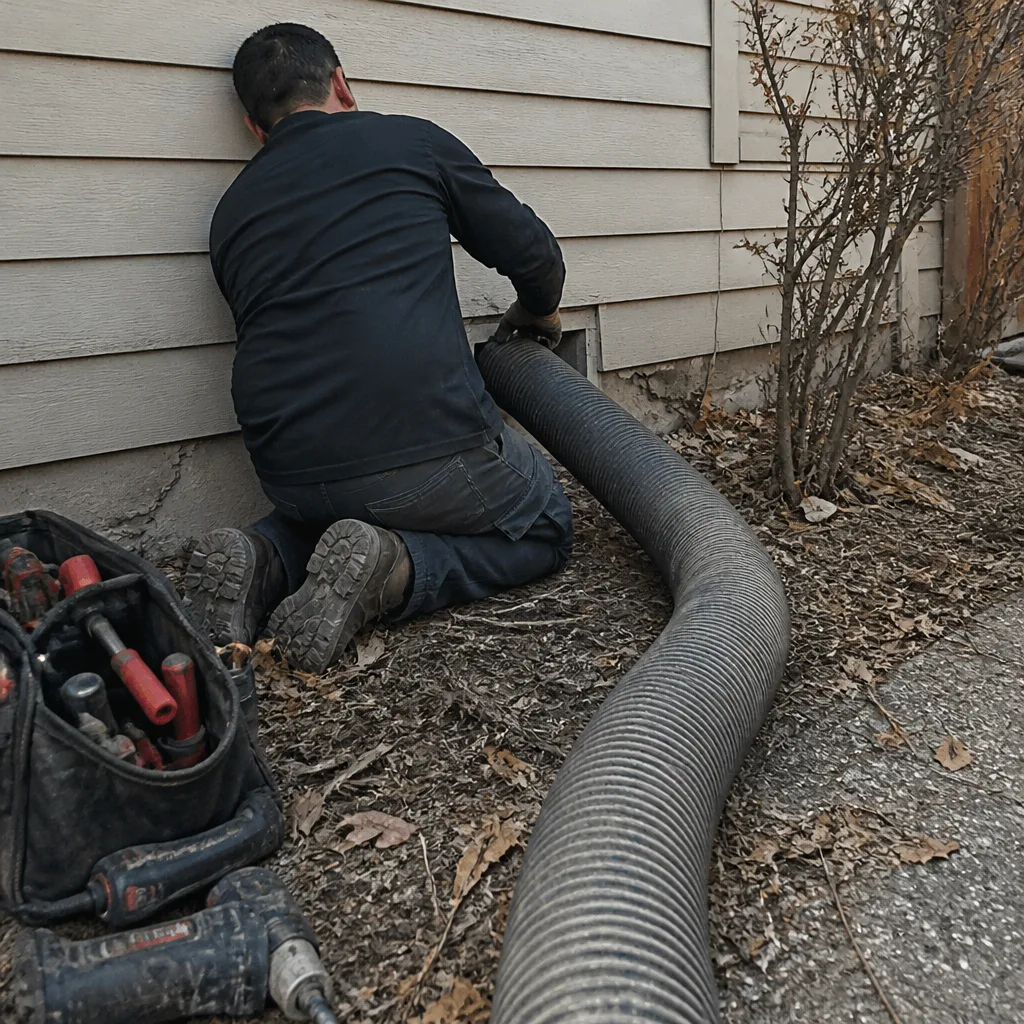 Before
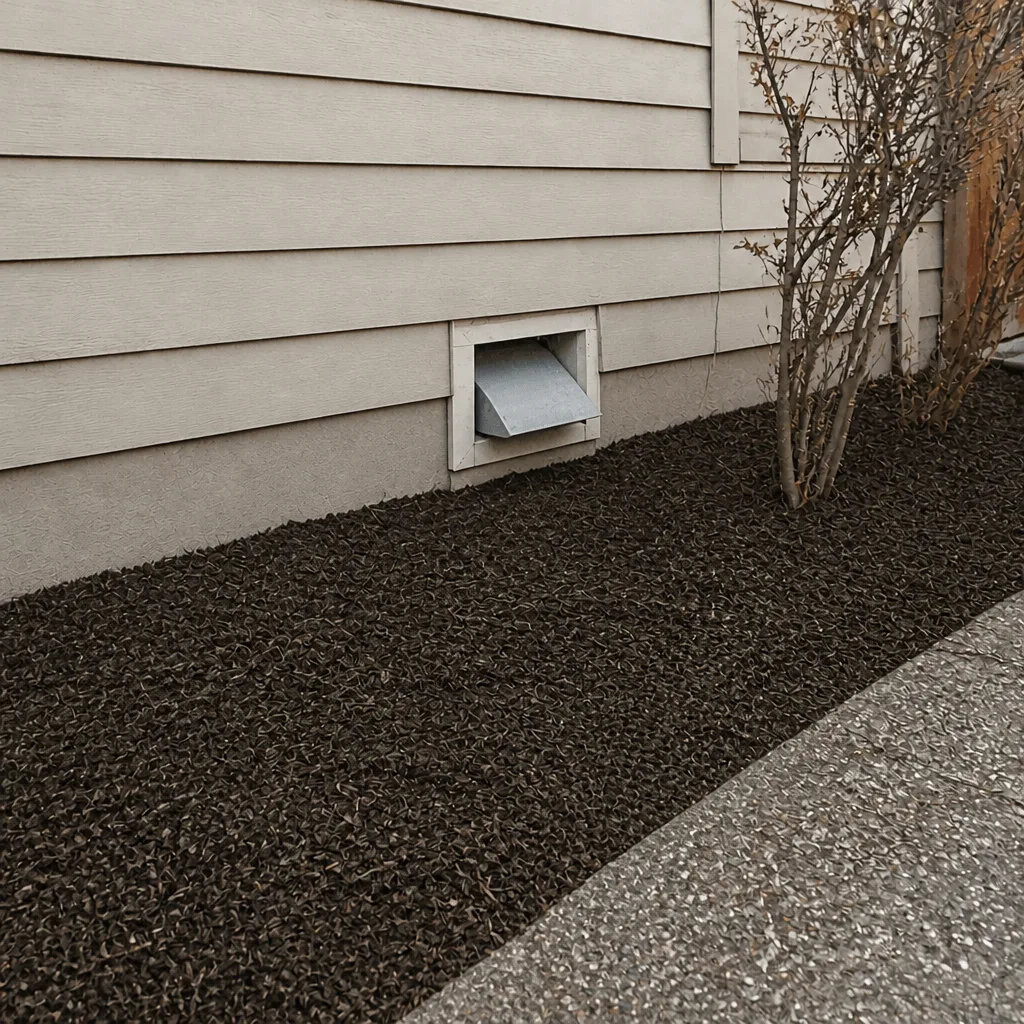 After
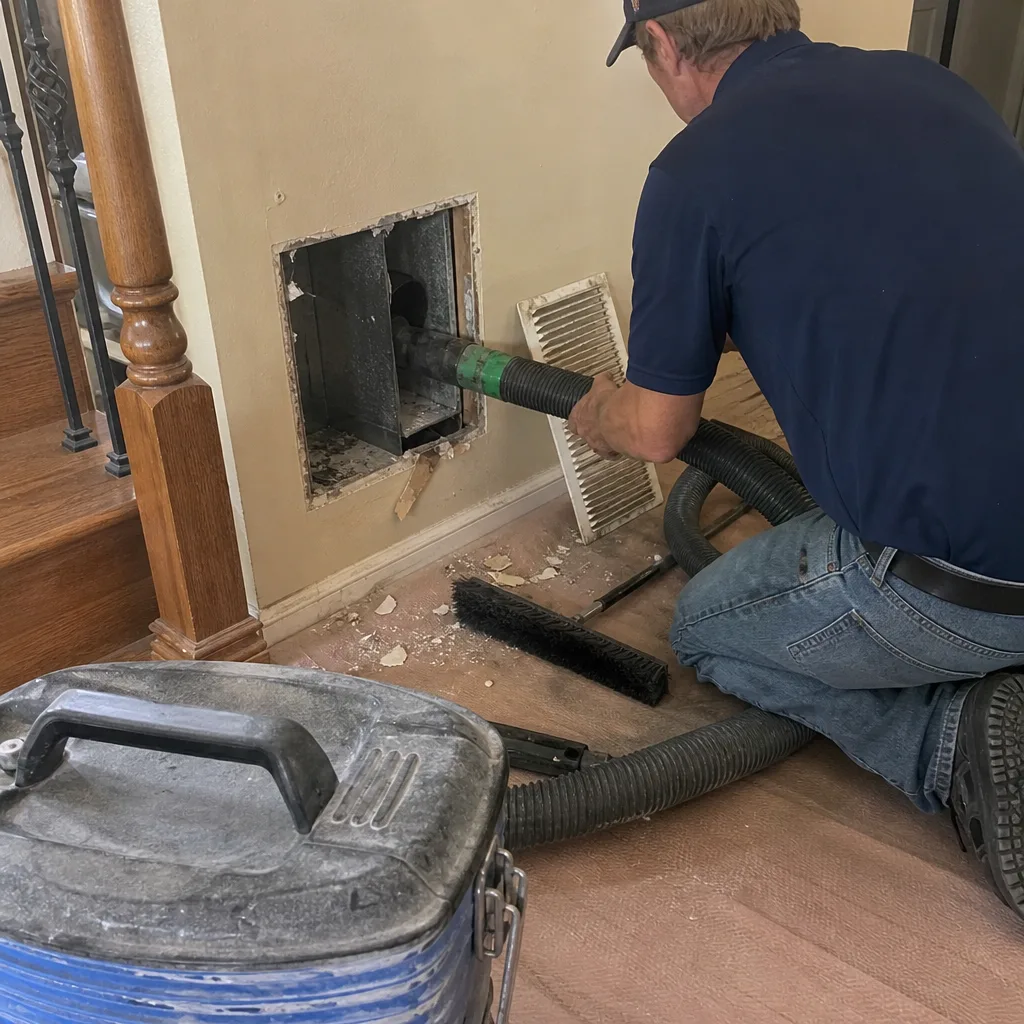 Before
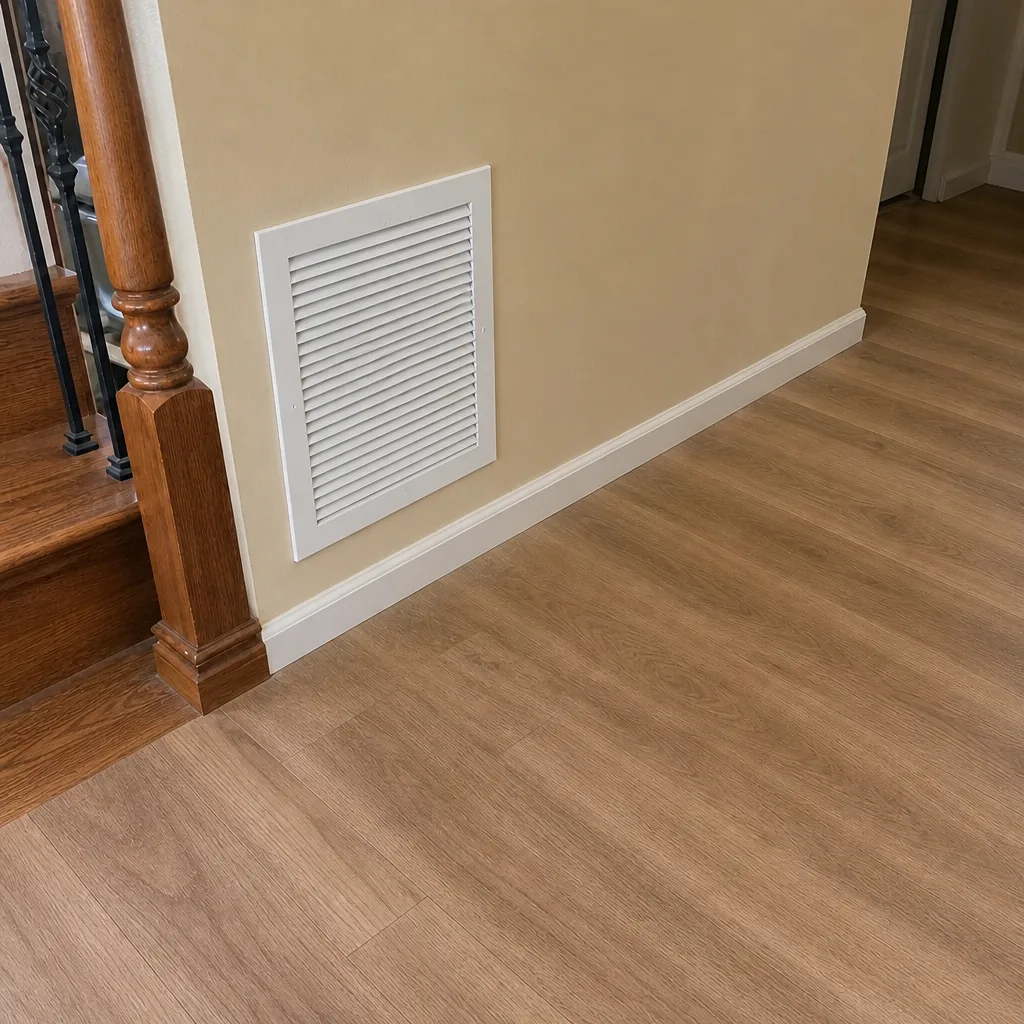 After
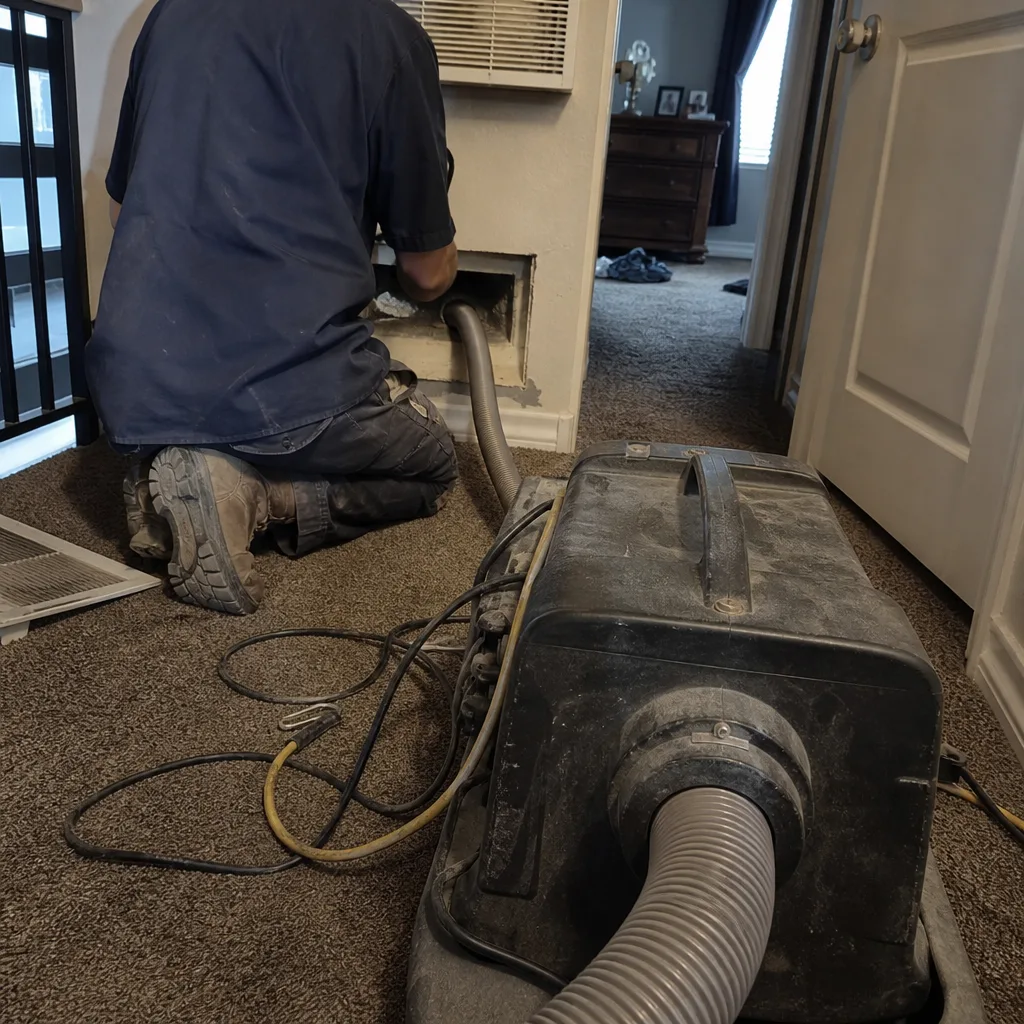 Before
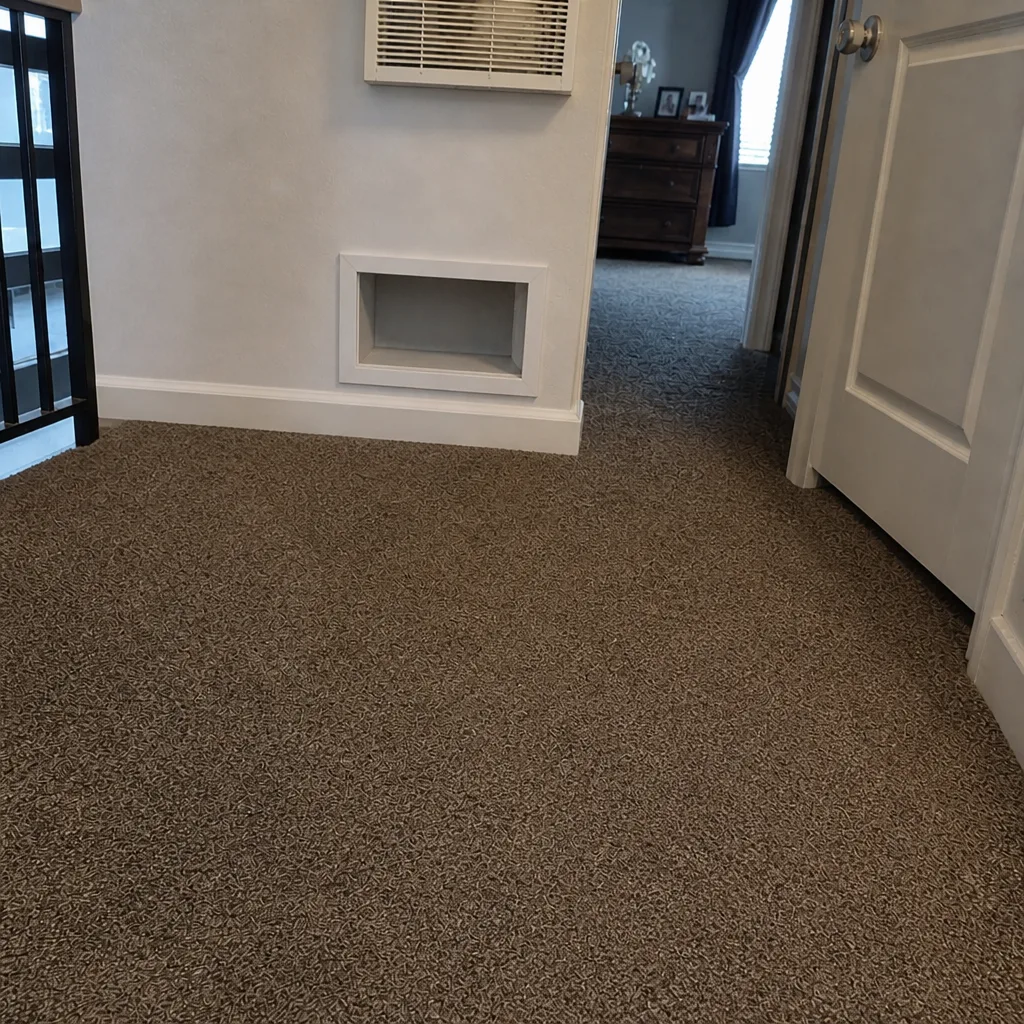 After
When to Call a Professional
Call when you see actual evidence, not when the calendar reminds you. Visible dust matting on returns that comes back within weeks, debris inside supply boots, a filter that loads far faster than it used to, or a room that never heats evenly all point to a duct problem worth inspecting. After a heavy wildfire smoke event, if the interior of the ductwork shows smoke residue, the 72-hour window is the time to act. If a recent cleaning didn’t solve the dust problem, that’s a repair question rather than a repeat cleaning question.
Banner Air Duct Cleaning offers free estimates in Salt Lake City. Call (855) 752-4416 for an inspection that starts with what’s actually in your ducts.
Frequently Asked Questions
Most Salt Lake City homes do well on a two-year cycle that alternates a deep cleaning with an inspection-and-repair year, but the schedule should follow what the ducts show. Homes near construction, with pets, or exposed to heavy wildfire smoke often need annual cleaning. Homes with low occupancy and no dust sources can stretch to three years. Call (855) 752-4416 for an inspection-based recommendation rather than a calendar-based one.
Yes, fine smoke particulate travels through the return side and can settle and embed in duct lining, especially during prolonged smoke events. Acting within 72 hours keeps the particulate loose enough to remove. Change the filter immediately after the event, run the fan on low with the fresh filter, and book a cleaning if the duct interior shows residue. Call (855) 752-4416 if you’re not sure whether the smoke reached the ducts.
Cheap quotes usually reflect a vacuum-only job with no mechanical agitation, no HEPA extraction, and no containment equipment, which moves dust around rather than removing it. A quote given before anyone looks inside the system is a guess regardless of price. We set one flat price per system after the inspection, agreed before any work starts, and we don’t quote per-vent. Call (855) 752-4416 for an exact estimate; estimates are free.
Ask for before-and-after photos of your own ducts. A real cleaning produces visible interior change, and the photos should come from your system rather than a stock library. If a company can’t document the result, the work is unverified. Call (855) 752-4416 to see how we document a job.
Check it monthly during extended inversion periods and swap when the pleats block light, not on a fixed schedule. In most Salt Lake City homes that means one mid-season change. Homes with pets or high occupancy may need two. Call (855) 752-4416 if the filter loads unusually fast, since that can indicate a return leak.
Only if the cause is a disconnected or crushed duct run, which is a repair rather than a cleaning. Cleaning removes debris but doesn’t restore airflow to a room whose supply is pinched off. That’s why we offer air duct repair as a standalone service. Call (855) 752-4416 to schedule an inspection that identifies which problem you actually have.
The Bottom Line
Salt Lake City’s four seasons each leave a different signature in your ductwork, and a once-a-year cleaning schedule doesn’t line up with that reality. Fall is the reset before the furnace cycle. Winter is filter and return management through inversion season. Spring is inspection first, cleaning only on evidence. Summer is the 72-hour smoke response. Build a two-year cycle around those beats, alternate deep cleaning with inspection and repair, and let what the ducts show determine the schedule rather than the calendar. Equipment matters, repair capability matters, and a documented result matters. That’s the whole argument for doing it properly. Our technicians have up to 11 years of experience.
Ready to build a schedule that fits your home? Banner Air Duct Cleaning offers free estimates. Banner Air Duct Cleaning connects Salt Lake City homeowners with independent local professionals who use professional-grade equipment and document the work. Call (855) 752-4416. We answer 24/7. Fast dispatch from 7am to 7pm, Sunday through Friday.
Written by the team at Banner Air Duct Cleaning.