
Last updated November 16, 2026
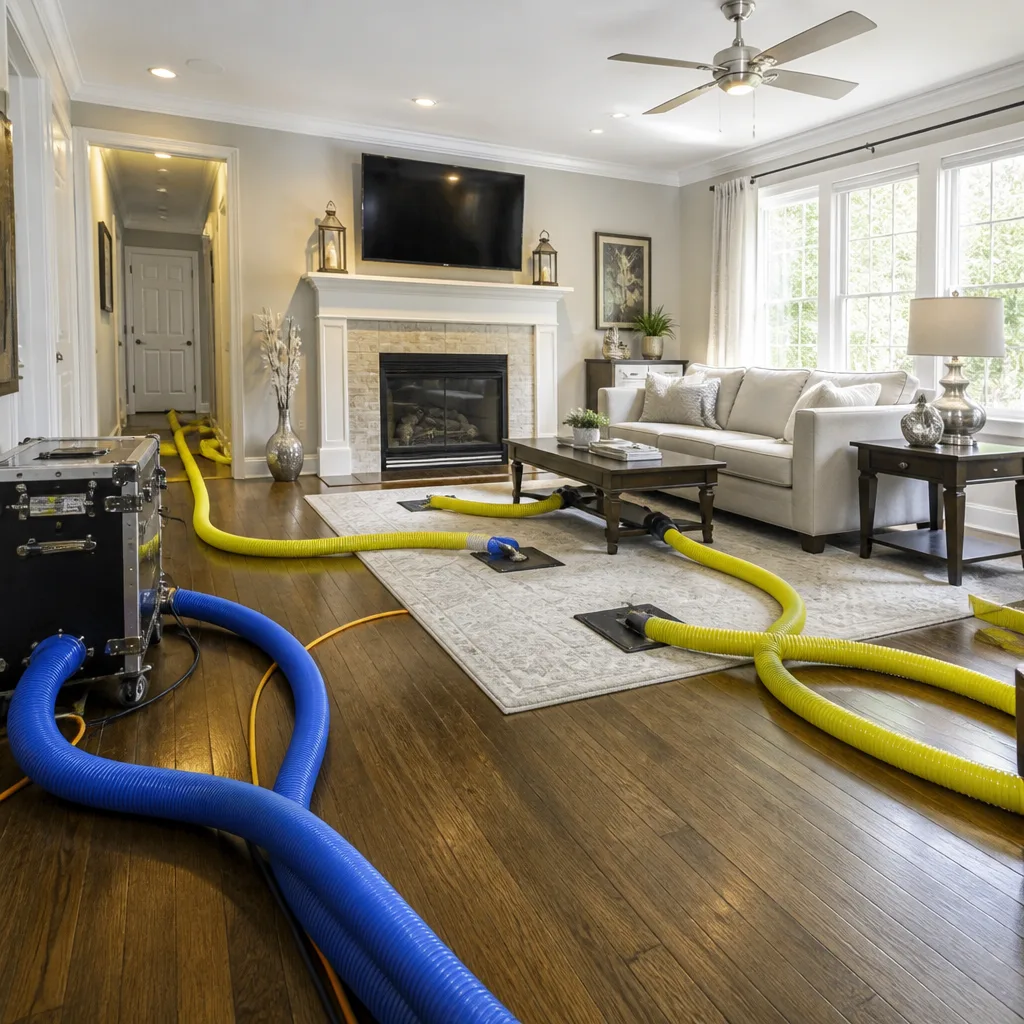 Whole-home duct cleaning
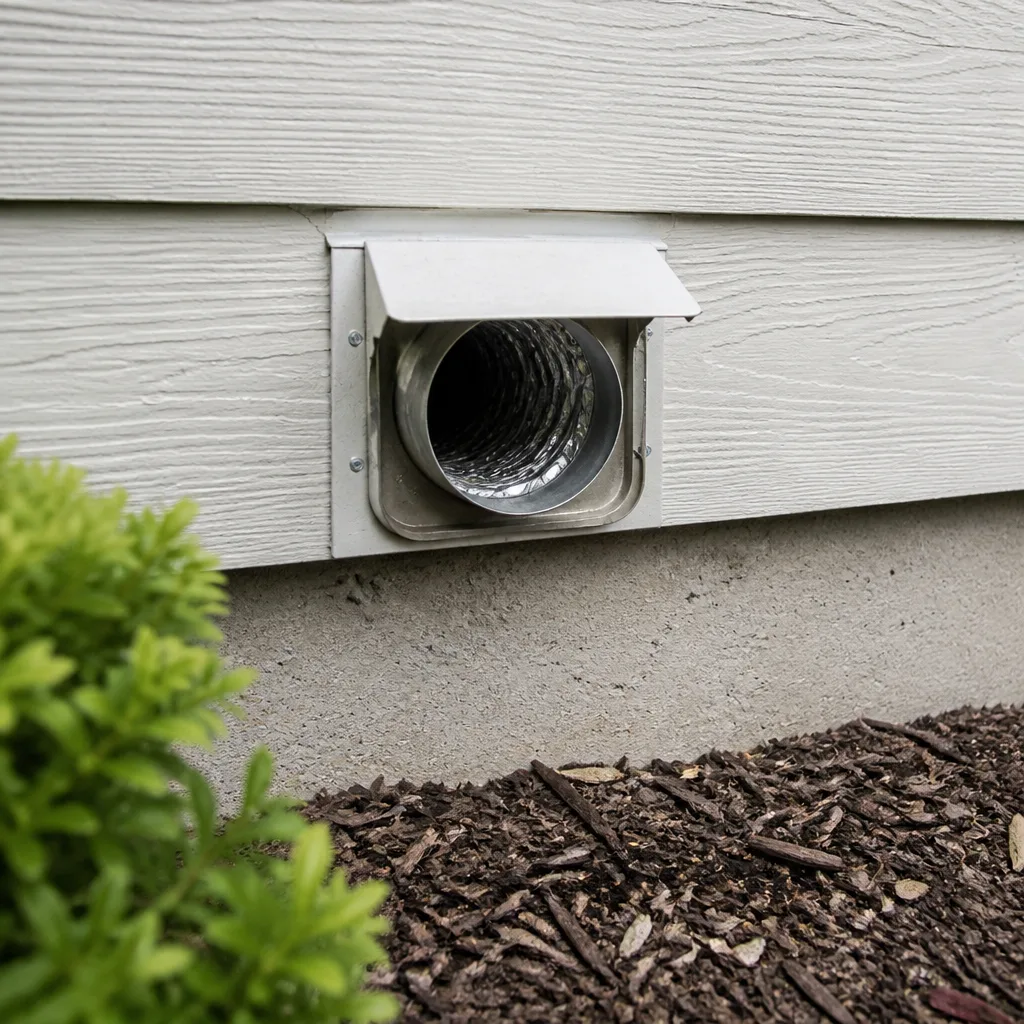 Dryer vent cleaning
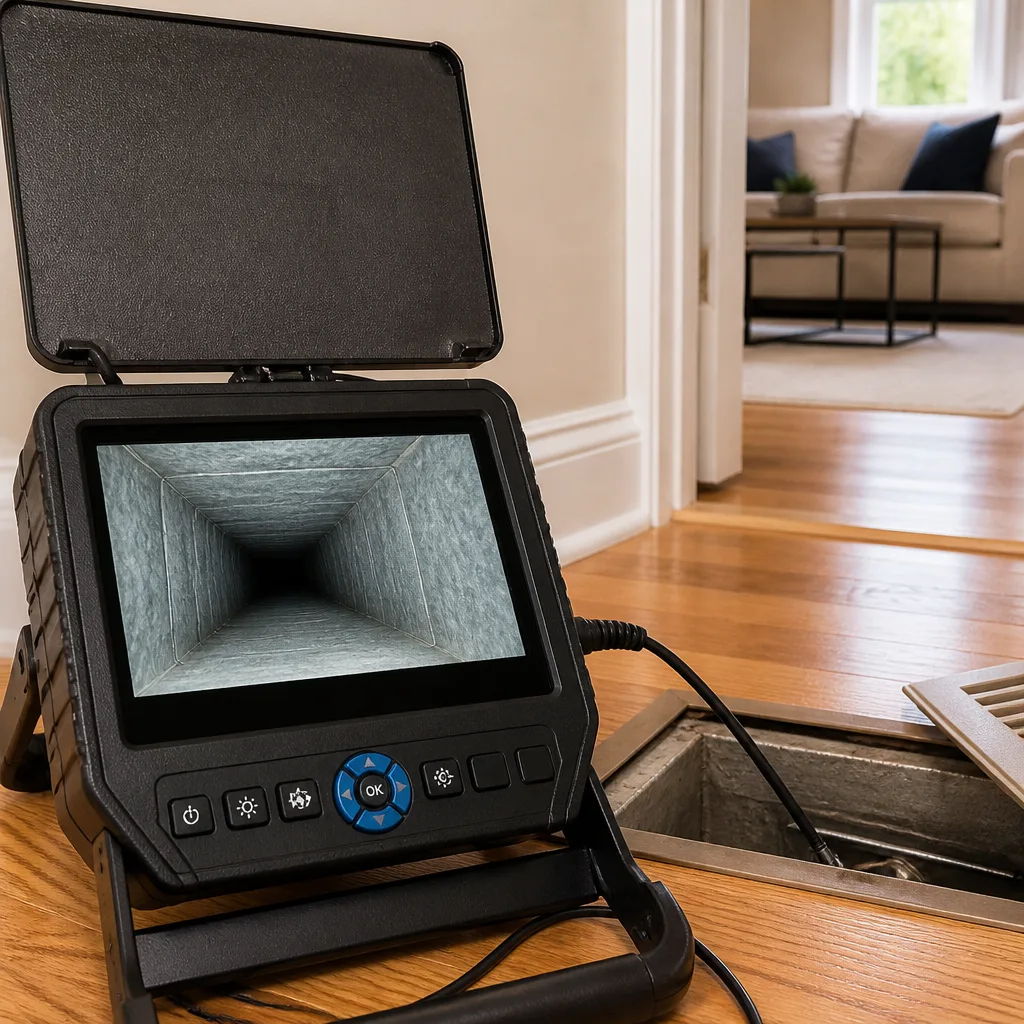 Camera inspection
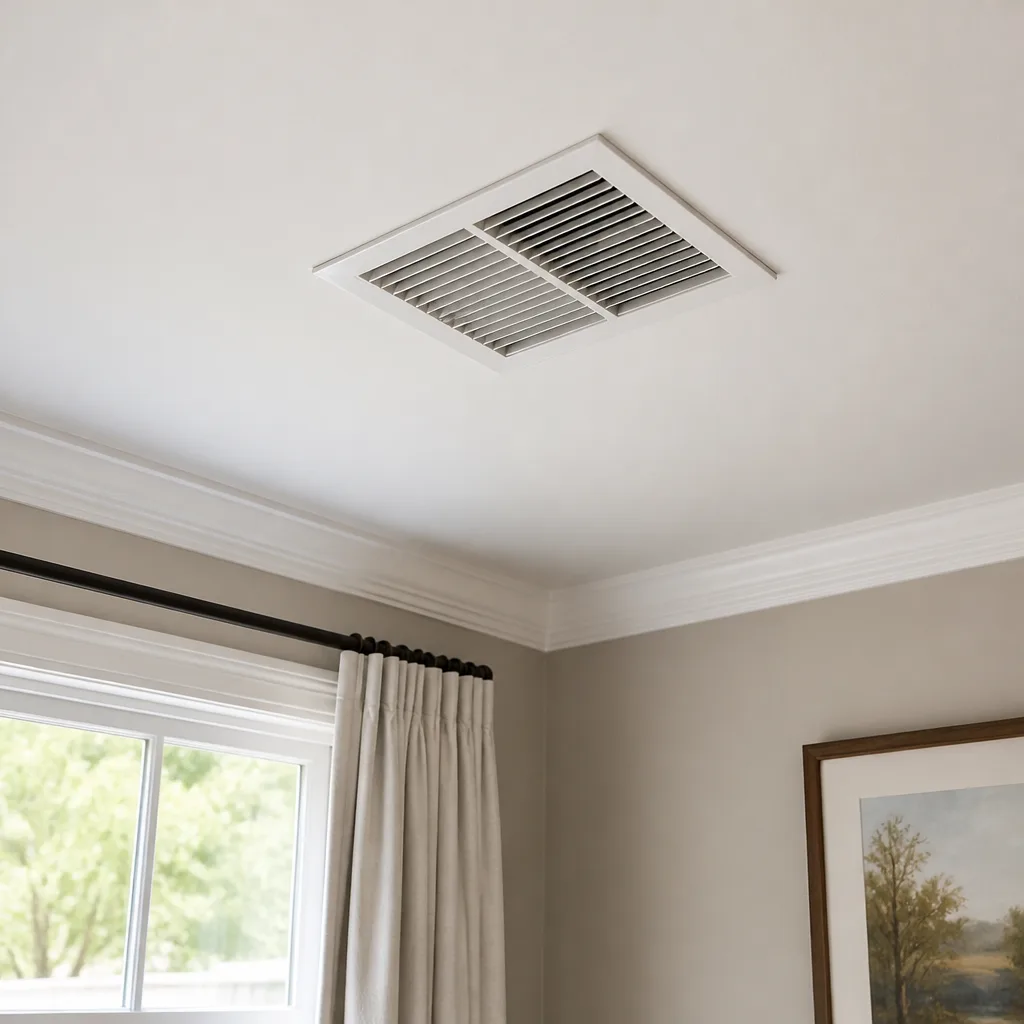 Sanitizing & deodorizing
Whole-system duct and dryer vent check with before-and-after photos - you see exactly what came out of your vents
That "$99 whole-house special" is a bait ad - the real number appears once they are in your hallway, or the "clean" is a shop-vac at the register. We photograph the inside of your ducts before and after instead.
Air Duct Cleaning Warning Signs: A Salt Lake City Homeowner’s Reference Guide
If your HVAC technician recommends a new blower motor or a coil cleaning before anyone has looked inside your ductwork, there’s a reasonable chance the actual problem is a collapsed flex run or a disconnected return joint. That’s duct repair, not equipment replacement, and the difference in scope is significant. The most expensive duct problems in Salt Lake City homes rarely announce themselves with dramatic symptoms. They show up as small performance changes – a room that runs a few degrees off, a faint smell at the start of heating season, a slight whistle at a register – that homeowners reasonably attribute to the furnace or the air conditioner itself. This guide walks through what to actually look for, how to read the signs, and how to tell the difference between a duct that needs cleaning and a duct that needs repair.
Quick Answer
The main warning signs of a duct problem in Salt Lake City are uneven room temperatures (a 4°F or greater spread between rooms), visible dust streaks or dark lines at supply register edges, persistent musty odors that don’t clear after the first week of heating season, whistling or rattling at returns, and flex duct runs in the mechanical room that are kinked, sagging, or disconnected. Cleaning addresses accumulated debris; repair addresses the physical leaks and disconnects that let that debris in and bleed off your airflow. Knowing which one you’re dealing with is the whole game.
Styles & brands we work with
- Whole-home duct cleaning
- Dryer vent cleaning
- Camera inspection
- Sanitizing & deodorizing
Table of Contents
- The Room-Temperature Differential Test
- What Salt Lake City Homeowners Misread as Furnace Trouble
- Visual Signs You Can Check Without Tools
- Reading the Smell Timeline
- Cleaning vs. Repair: How to Tell the Difference
- Why Dust Returns After a Cheap Cleaning
- The Dryer Vent Sign Nobody Thinks to Check
- What Professional Equipment Actually Does Differently
The Room-Temperature Differential Test
A 4°F or greater spread between rooms on the same system is rarely a thermostat issue. It’s almost always an airflow distribution problem, and the ductwork is the first place to look. Thermostats measure at one point in the house. They have no idea the back bedroom is running cold because the flex run feeding it got crushed under a joist during a remodel, or because a supply boot was never sealed to the subfloor and half the air is dumping into the crawlspace instead of the room.
Here’s how to run the test without buying anything. On a steady day, close every exterior door and window, let the system run for at least 20 minutes, then take a thermometer to the center of each room at about chest height.
- Pick your rooms. Every room with a supply register, plus the room containing the thermostat.
- Let the system stabilize. Run heating or cooling for 20 minutes before you start reading. Readings taken during a cycle swing wider than the true spread.
- Write the numbers down. Not impressions – actual readings. “The back bedroom feels cold” is hard to act on; “72°F at the thermostat, 66°F in the back bedroom” tells a technician where to start.
- Look at the pattern. One cold room at the end of a long duct run points to a restricted or disconnected run. Two rooms on opposite sides of the house both running cold often points to a return-side problem.
- Repeat once on a different day. One odd reading could be a register that was closed or a piece of furniture blocking a return grille.
The point of the test isn’t to diagnose the cause yourself. It’s to arrive at the conversation with a specific symptom instead of a vague complaint. A system with a clear 6°F spread on one side of the house and a perfectly balanced other side tells a trained technician to look at a specific duct run, not at the furnace. In our experience with Salt Lake City homes, that kind of clarity saves a lot of money on parts that were never the problem.
What Salt Lake City Homeowners Misread as Furnace Trouble
Frost heave is a real thing in Salt Lake City, and it does things to ductwork that don’t happen in milder climates. The valley floor sees repeated freeze-thaw cycles through winter, and the soil under and around a home’s foundation expands and contracts with it. Over enough seasons, that movement can shift the framing and supports that hold ductwork in place, especially flex duct runs in a crawlspace or under a pier-and-beam section.
The symptom that shows up first is often described as a “weak furnace” – rooms never get fully warm, the furnace runs longer than it used to, and the system feels like it’s working harder for less. What’s actually happening is static pressure loss. If a return duct has separated at a joint, the blower is pulling air out of the crawlspace instead of the house. If a supply run has pulled loose, conditioned air is dumping into unconditioned space. The furnace isn’t weak. It’s delivering a fraction of its air to the rooms because the duct system is bleeding it off.
This is the single most expensive misdiagnosis we run into. A technician who looks only at the equipment and sees a blower pulling higher-than-normal amperage might recommend replacement. The blower is working hard because the duct system is restricting it. Fix the separation and the amperage comes back down. Repairing a disconnected return or collapsed flex run is a duct repair job, and it’s dramatically less costly than a new blower.
Salt Lake City’s older neighborhoods, particularly the ones with homes built before flex duct was standard, tend to have sheet metal trunk lines that hold up well to ground movement, and the runs are usually the weak point. Newer construction with long flex runs through unconditioned attics and crawlspaces is where we see the most separation. Neither is a reason to blame the furnace first. Start at the ducts.
If you’re already heading toward a professional evaluation of the air-handling side of the house, it’s worth reading our overview of Banner Air Duct Cleaning so you know what a full-scope duct service actually involves before anyone quotes you.
Visual Signs You Can Check Without Tools
You don’t need a camera or a pressure gauge to spot the visible warning signs. Most of what matters shows up at the places where your ductwork meets the finished surface of the house: supply registers, return grilles, and the flex duct connections in the mechanical room.
At supply register edges
Dark streaks or a dust line where the register plate meets the drywall is a sign of air leaking past the boot. It’s not just cosmetic. It means the seal between the duct boot and the drywall has failed, and conditioned air is escaping into the wall cavity. Over time that cavity takes on moisture and dust, and you may start noticing faint drafts or cold spots on exterior walls near the register.
At return grilles
A return grille caked with gray fuzz is a filter problem more than a duct problem – change the filter. But a return grille that shows rust, drip stains, or a visible moisture line points somewhere else entirely: condensation inside the return duct. In Salt Lake City’s dry air, that usually means a duct running through a cold unconditioned attic in winter, and warm humid air from the house condensing on it. That’s a duct repair issue, not a filter issue.
In the mechanical room
The mechanical room is where you have the best chance of seeing a concrete warning sign. Look at the flex duct runs coming off the plenum and going to the trunk. You’re checking for three things:
- Kinks. Any bend tighter than the duct is designed for chokes airflow. A visibly creased or flattened section is restricting the run.
- Sagging. Flex duct that dips between supports collects dust and moisture at the low point and puts drag on the whole system.
- Disconnected joints. The inner liner and outer jacket should both be attached at every collar. A liner that’s pulled back from the collar, or an outer jacket hanging loose, is a leak. This is one of the most common physical defects we find and one of the fastest to fix.
Around the air handler
Dust patterns on the floor or a fine layer of dust on the top of the air handler cabinet after a filter change suggests the return plenum isn’t sealed. Dust is being drawn in from the mechanical room rather than the house. That’s a duct repair in the making, and it strains the blower every time the system runs.
Reading the Smell Timeline
Odors are the most misinterpreted duct symptom there is, because the same “something smells off” complaint can mean three totally different things. The timing of when the smell appears is what tells you which one you’re dealing with.
First-use-of-season dust burn-off – normal
When the furnace runs for the first time in fall, or the AC runs for the first time in spring, dust that settled on the heat exchanger or the evaporator coil over the off-season burns off. This produces a dry, slightly dusty smell that fades within a few hours or, at most, a couple of days. It is normal. It is not a sign that your ducts need cleaning.
Persistent musty odor – moisture in the ducts
A musty, basement-like smell that doesn’t clear after the first week of a heating season is a moisture problem. In Salt Lake City this is less often about indoor humidity and more often about a duct running through a damp crawlspace or a return pulling air from a space that has water intrusion. Moisture plus duct dust is a microbial-growth environment. No amount of duct cleaning will fix it if the moisture source is still there. This is where repair needs to come before or alongside cleaning.
Sharp metallic or hot-wire smell – restricted airflow
A sharp, metallic, or slightly burnt smell on an ongoing basis is the one smell you should never ignore. It usually points to the blower overheating because airflow through the system is restricted. A collapsed duct run, a blocked return, or a plenum that’s pulling from a cramped mechanical room can all do this. If the smell is present, turn the system off and have it looked at. This is a safety issue, not a comfort issue, and it belongs in the hands of a trained professional.
Drywall-dust smell after a remodel
Any time a room has been opened up, drywall dust makes its way into the return side. It settles in the ductwork and slowly releases into the house every time the system cycles. This is one of the few cases where cleaning alone is usually the right answer, because there’s a specific contaminant and a specific event, not an ongoing source.
Cleaning vs. Repair: How to Tell the Difference
Confusing cleaning and repair is the reason so many homeowners get repeat service calls that don’t solve the underlying problem. Cleaning removes accumulated debris from inside ducts that are otherwise sound. Repair fixes the physical defects that let debris in, let conditioned air out, and cause the symptoms in the first place. If a duct system has a collapsed run or a disconnected return, cleaning it is a temporary measure at best – you’ll have the same symptom back within a heating season.
Here’s how to sort out which you’re facing.
- Cleaning is the answer when the symptom is dust. Dust streaks at registers that come back within weeks after you clean them, visible dust on return grilles, and drywall dust from a recent remodel all point to accumulated debris inside ducts that are otherwise intact.
- Repair is the answer when the symptom is airflow. Uneven room temperatures, weak registers, whistling, and short cycling all point to leaks, disconnects, or collapsed runs. Cleaning won’t fix any of them.
- Both is the answer when the symptom has a source. A disconnected return that’s been pulling crawlspace air into the house for a couple of seasons has already introduced debris. You fix the disconnect, then clean the system so the debris doesn’t stay in circulation. Doing one without the other just delays the next call.
- Neither fixes a blower that’s actually failing. If the blower motor has genuinely failed – not just been overworked by a restricted duct – cleaning and repair won’t restore it. But the duct system should still be evaluated, because a restricted system is what caused the blower to fail in the first place.
This is the reason we clean and repair. If a warning sign points to a physical defect in the ductwork, we’d rather find and fix it than run a cleaning cycle and hand you a receipt. A full assessment tells you which service is actually needed before the work starts.
Why Dust Returns After a Cheap Cleaning
If dust streaks come back at your registers within weeks of a cleaning, the cleaning wasn’t the problem. The duct system has a leak, and the leak is pulling new dust into the system as fast as it’s being removed. This is the reason some homeowners end up buying duct cleaning every year and never seeing a real difference.
Leaks on the return side are the usual culprit. A return duct operates under negative pressure – it’s pulling air into the system. Any gap in that duct is a vacuum, and a vacuum pulls dust, insulation fibers, and crawlspace air into the return. That air, and everything in it, then gets distributed to every room in the house. You can clean a system like that every year and the registers will still be streaked within a month.
The reason cheap duct cleaning doesn’t catch this is that it doesn’t look for it. A quick pass with a shop vac and a set of flexible rods can knock loose debris off the duct walls, but it can’t find a disconnected joint behind drywall, and it won’t seal a leaking boot to the subfloor. The work that matters is the assessment that finds the leak and the repair that closes it.
Dryer vent ducts fail the same way, and the stakes are higher. A dryer vent that’s partially blocked by lint buildup causes the dryer to run hotter and longer, and it raises the risk of a lint fire inside the vent line itself. We treat dryer vent cleaning as a safety service, not a convenience add-on, because the mechanism is well documented and the fix is straightforward once someone actually looks.
The Dryer Vent Sign Nobody Thinks to Check
If your dryer takes noticeably longer to dry a load than it used to, or the exterior vent flap barely moves when the dryer runs, the warning sign is in the dryer vent, not the ducts. Both are part of a system that has to move air, and both fail in similar ways – lint and debris accumulate, airflow drops, and the equipment works harder than it should.
The difference is the consequence. A restricted duct system costs you comfort and eventually a blower. A restricted dryer vent creates a fire risk. The lint that builds up inside a dryer vent is combustible, and a dryer that’s been running long cycles to compensate for restricted airflow is effectively heating that lint more than it should.
- Longer drying times are the most common warning sign. A load that used to finish in one cycle but now needs two is telling you airflow is restricted.
- A hot dryer top or exterior door on the dryer itself is a sign of restricted venting, not normal operation.
- A weak or absent exterior flap when the dryer runs points to a partial clog or a crushed flex duct behind the dryer.
- Lint visible around the outside vent opening or inside the wall near the vent termination is a sign lint has accumulated inside the line.
- Condensation on the inside of the exterior vent hood in winter is normal in Salt Lake City’s cold months, but persistent dripping or ice buildup near the termination is not.
We treat dryer vent cleaning as a standalone service because it deserves the same attention as the air ducts, and it’s often skipped by companies that only quote ductwork.
What Professional Equipment Actually Does Differently
Equipment is the fastest way to tell a professional duct cleaning from a surface flush. Consumer-grade and rental-counter machines move air, but they don’t provide the two things a professional system does: mechanical agitation to actually dislodge debris that’s clinging to the duct walls, and HEPA-rated capture so the contaminants are extracted instead of recirculated into the house.
Here at Banner Air Duct Cleaning, we run the Rotobrush rotary brush system for mechanical agitation inside the duct runs, and Nikro HEPA-rated extraction, which captures particles down to 0.3 microns rather than recirculating them into the room. We also deploy Abatement Technologies air scrubbers during service to contain displaced particles while the work is underway. That third piece matters because duct cleaning, done properly, kicks up a lot of dust in the immediate vicinity, and a scrubber keeps it out of your living space.
We’re also trained on Aprilaire and Honeywell whole-home air-quality systems. That means when we’re cleaning around a whole-home humidifier or a media filter cabinet, we know how to work with the equipment rather than around it – and how to avoid disturbing the manufacturer’s expectations for how the system is supposed to operate. It also means we can advise honestly on whether a duct cleaning schedule should be adjusted for a house with whole-home filtration, since those systems change the dust load in the ducts.
Where this matters most is in homes where a previous cleaning didn’t produce a visible result. We can put a camera inside the ductwork, show you what’s there, and show you what it looks like after. If the ducts have a repair problem, you’ll know before we quote you on anything. If you want to see what the full process looks like for a standard house in this market, our air duct cleaning page covers what’s included and how the work is scoped.
Common Mistakes to Avoid
- Replacing a blower motor before the ducts have been inspected. A blower that’s pulling high amperage because of a restricted duct system isn’t a failing motor. It’s an overworked one. Look at the ducts before you look at the equipment.
- Cleaning ducts with a known repair defect. If a return has separated or a flex run has collapsed, cleaning just resets the clock. The debris comes back as soon as the system runs.
- Trusting a duct cleaning quote given over the phone without an inspection. A quote based on square footage alone can’t know whether the ducts need repair. The written estimate should follow an assessment of the actual system.
- Skipping the dryer vent because the ducts were just cleaned. These are two separate systems with two separate risks. Air duct cleaning does not touch the dryer vent line.
- Attributing first-season burn-off smell to dirty ducts. Dust on a heat exchanger is normal after a summer off. Pay attention to smells that persist past the first week, not those that fade in a day.
- Assuming Salt Lake City’s dry air means ducts can’t have moisture problems. Outdoor humidity is low, but a return duct running through a cold crawlspace condenses warm interior air all winter. Musty smell plus a return-side drip means moisture is present.
- Skipping the differential test because “some rooms are just always cold.” A 4°F spread between rooms is not a personality trait of the house. It’s a measurement, and it’s a clue.
See the difference
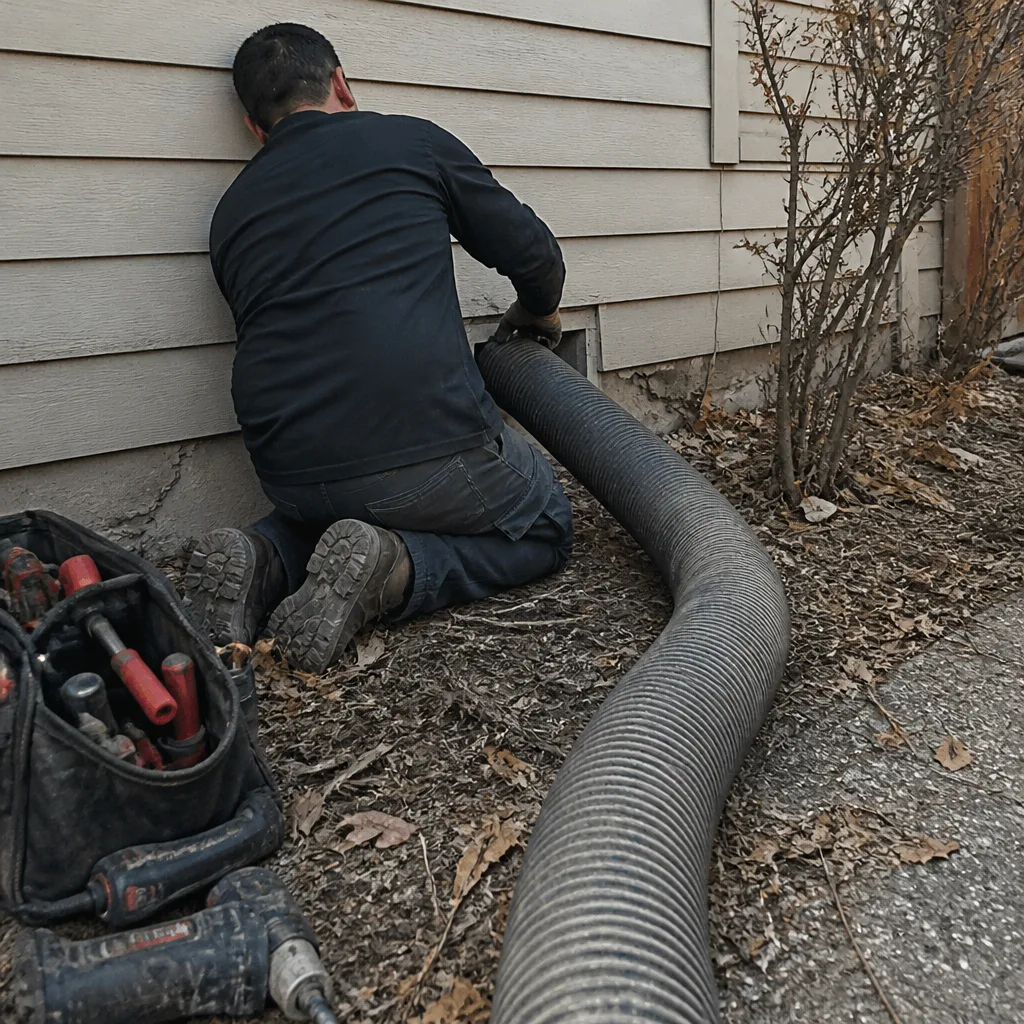 Before
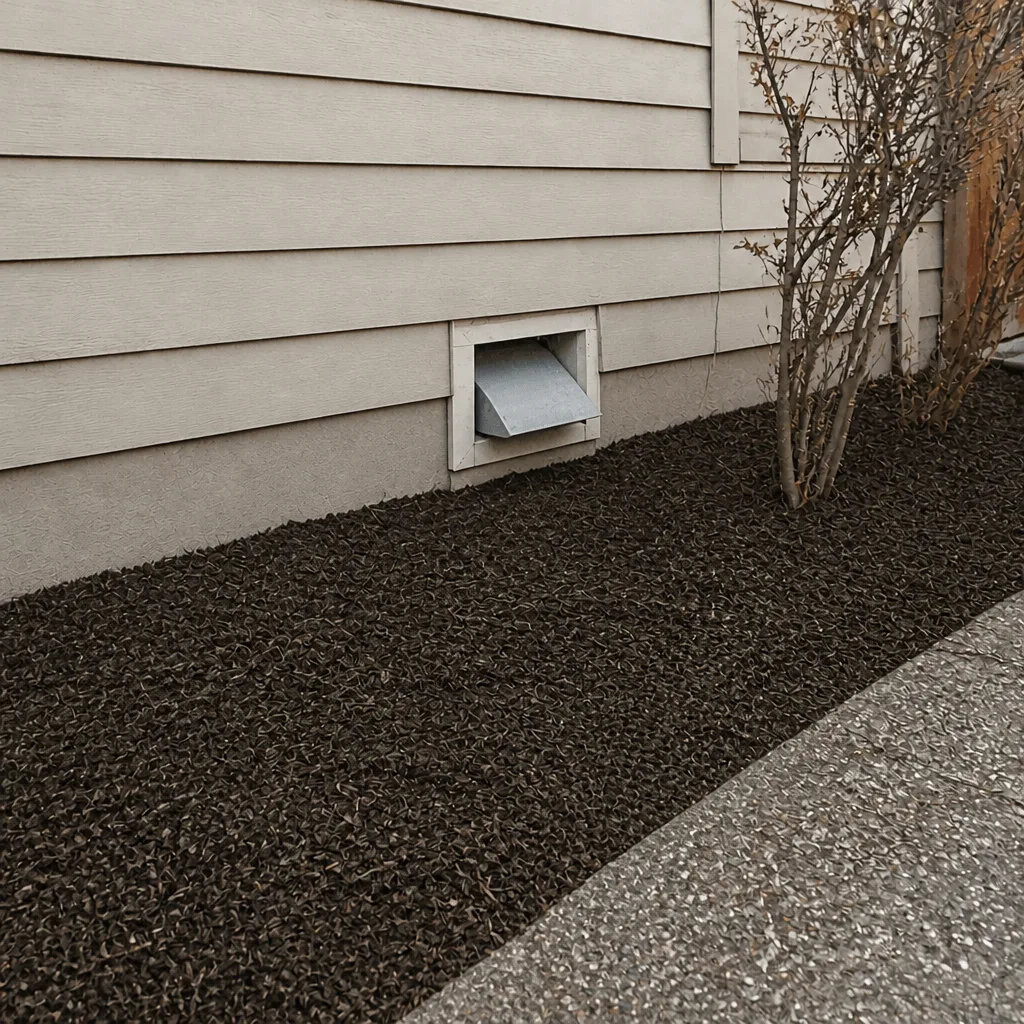 After
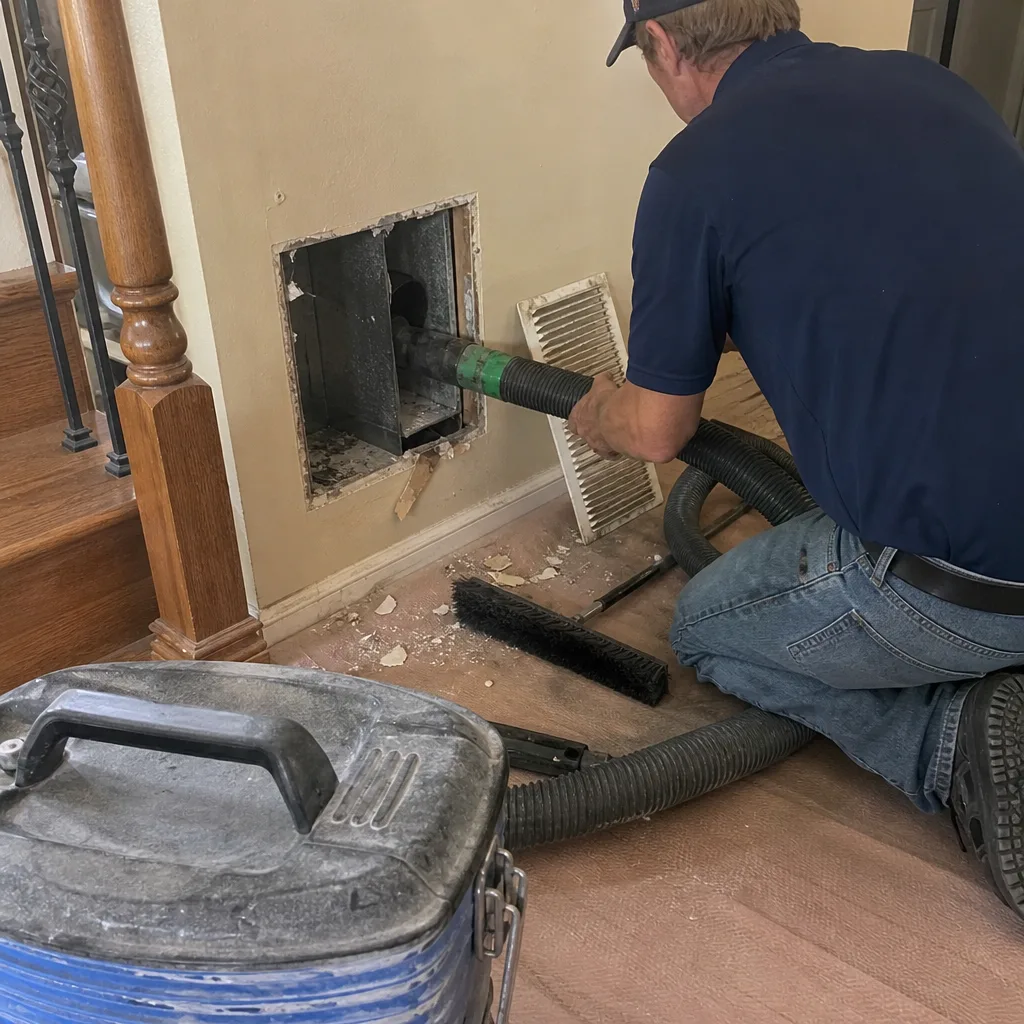 Before
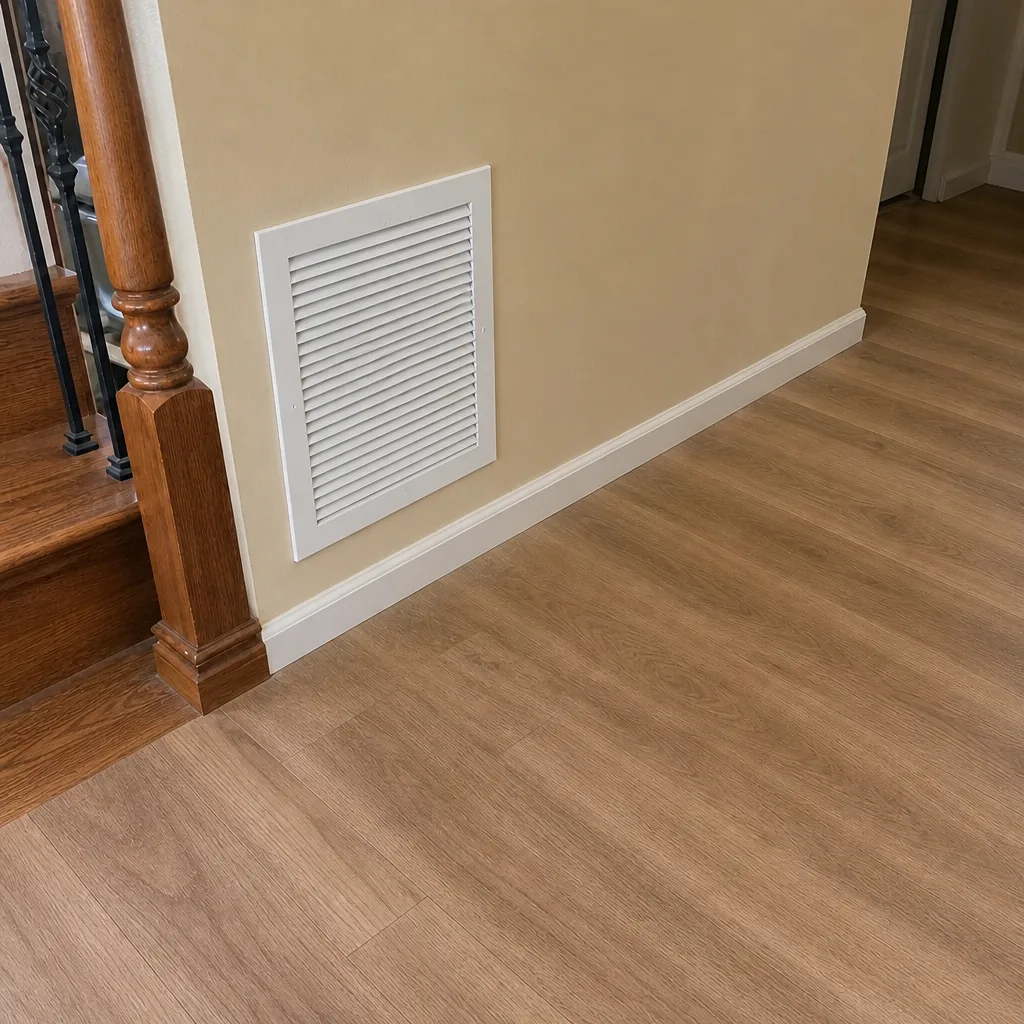 After
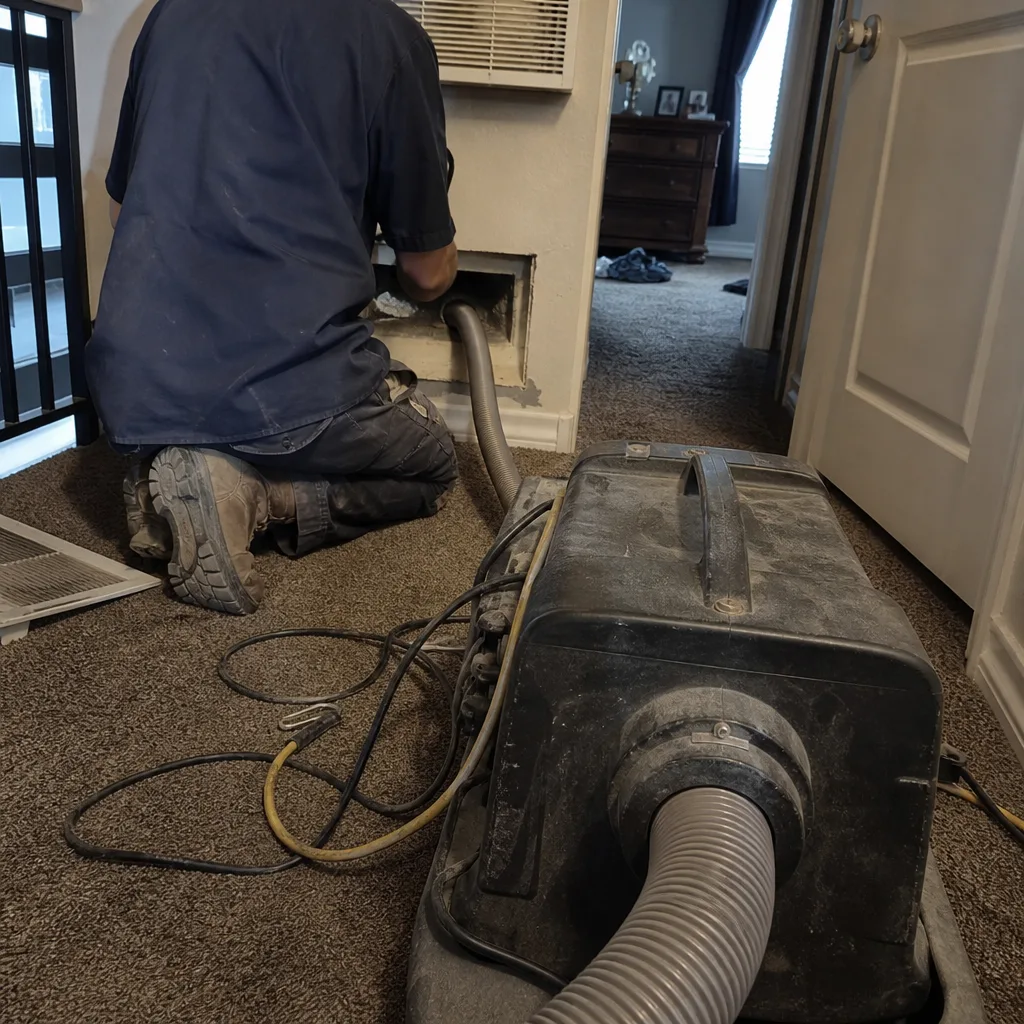 Before
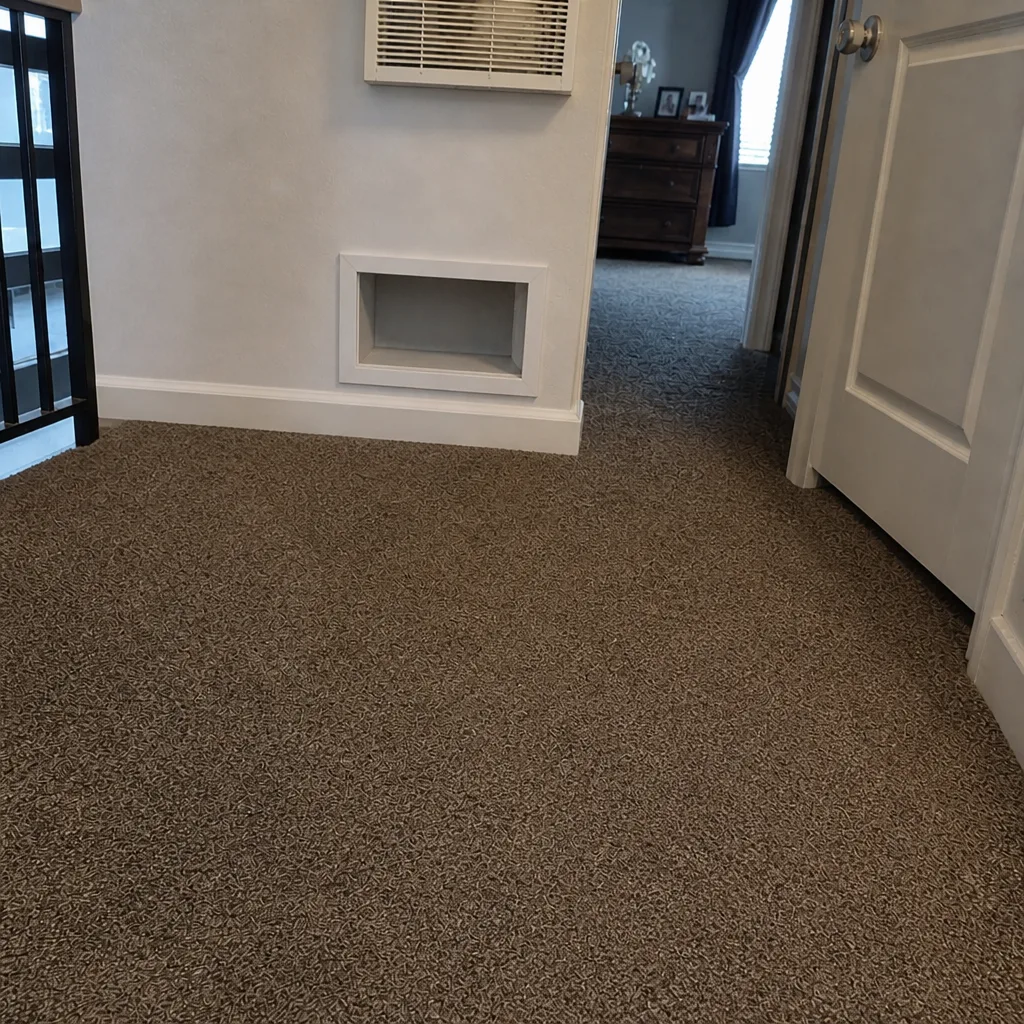 After
When to Call a Professional
Call a professional when you have a symptom that points to a physical duct defect: a room running more than 4°F off the rest of the house, a sharp or hot-wire smell that doesn’t clear when the system shuts off, a visible disconnect in the mechanical room, or dust streaks at registers that come back within a month of cleaning. Call also if the dryer is taking noticeably longer to dry a load, since vent restriction is a fire risk and shouldn’t be deferred. If the symptom is dust or a persistent musty smell after heating season settles in, an inspection will tell you whether the fix is cleaning, repair, or both. Banner Air Duct Cleaning offers free estimates in Salt Lake City – call (855) 752-4416. We answer 24/7. Fast dispatch from 7am to 7pm, Sunday through Friday.
Frequently Asked Questions
Most homes here need duct cleaning every three to five years, not every year. The interval shifts depending on pets, recent remodels, and whether the return side has ever had a leak. Homes with whole-home filtration systems can often go longer between cleanings because the filter catches more of the dust load before it reaches the ducts. The right way to decide is to have the ducts inspected and see what’s actually accumulated, not to commit to a schedule in advance. Call (855) 752-4416 for an exact quote – estimates are free.
The price is set per job by the written estimate after we’ve inspected the system, not by the number of vents or square footage alone. That matters because two homes of the same size can need very different work if one has a repair defect and one doesn’t. A quote given before any inspection isn’t a real estimate – it’s a number with no information behind it. Call (855) 752-4416 and we’ll schedule the assessment and put the written estimate together from what’s actually there.
Cheap quotes usually reflect what isn’t included: no inspection, no camera, no repair assessment, and no HEPA-rated extraction. A shop vac and a set of air whips can dislodge some visible debris, but they can’t find a disconnected return behind drywall and they can’t capture fine particles down to 0.3 microns. When dust streaks reappear within a month of a cheap cleaning, that’s the reason. Call (855) 752-4416 for a written estimate on what a full-scope service actually involves.
Ask for before-and-after photos of your own ducts, taken with a camera inside the system. Not stock photos from a brochure – your ducts, before and after. This is the single most reliable way to know what was actually in your system and what came out of it. If a company can’t or won’t produce that, that’s information worth having. Call (855) 752-4416 and we’ll set up an inspection so you can see the state of your ducts before any work is quoted.
Not always, but a 4°F or greater spread between rooms on the same system is a duct problem more often than it’s anything else. It can also point to a failed zone damper, a thermostat placed in a bad location, or a supply register that’s been closed or blocked. The differential test described above is the way to narrow it down – it gives a technician a starting point. Call (855) 752-4416 for an assessment.
Only if the moisture source is already gone. A persistent musty smell in Salt Lake City homes usually comes from a return duct running through a damp crawlspace or a duct with water intrusion on the return side. Cleaning removes debris but won’t remove the moisture that’s causing the growth, and the smell will come back as soon as the system runs. The right sequence is to find and fix the moisture source first, then clean the ducts. Call (855) 752-4416 and we’ll inspect the return side before recommending a cleaning.
The Bottom Line
The most expensive duct problems in Salt Lake City homes start small. A 4°F temperature spread, a dust streak at a register, a smell that lasts into the second week of heating season – none of these look dramatic, and all of them are worth acting on before they become a blower replacement, an ongoing dust problem, or a dryer vent fire risk. Learn the differential test. Look at the flex duct in the mechanical room. Pay attention to smell timing. If you don’t know whether a symptom is cleaning or repair, that’s the right moment to have someone inspect. Visit Salt Lake City for the broader local service overview, or call (855) 752-4416 to schedule a free estimate. We answer 24/7. Fast dispatch from 7am to 7pm, Sunday through Friday.
Written by the team at Banner Air Duct Cleaning.