
Last updated November 16, 2026
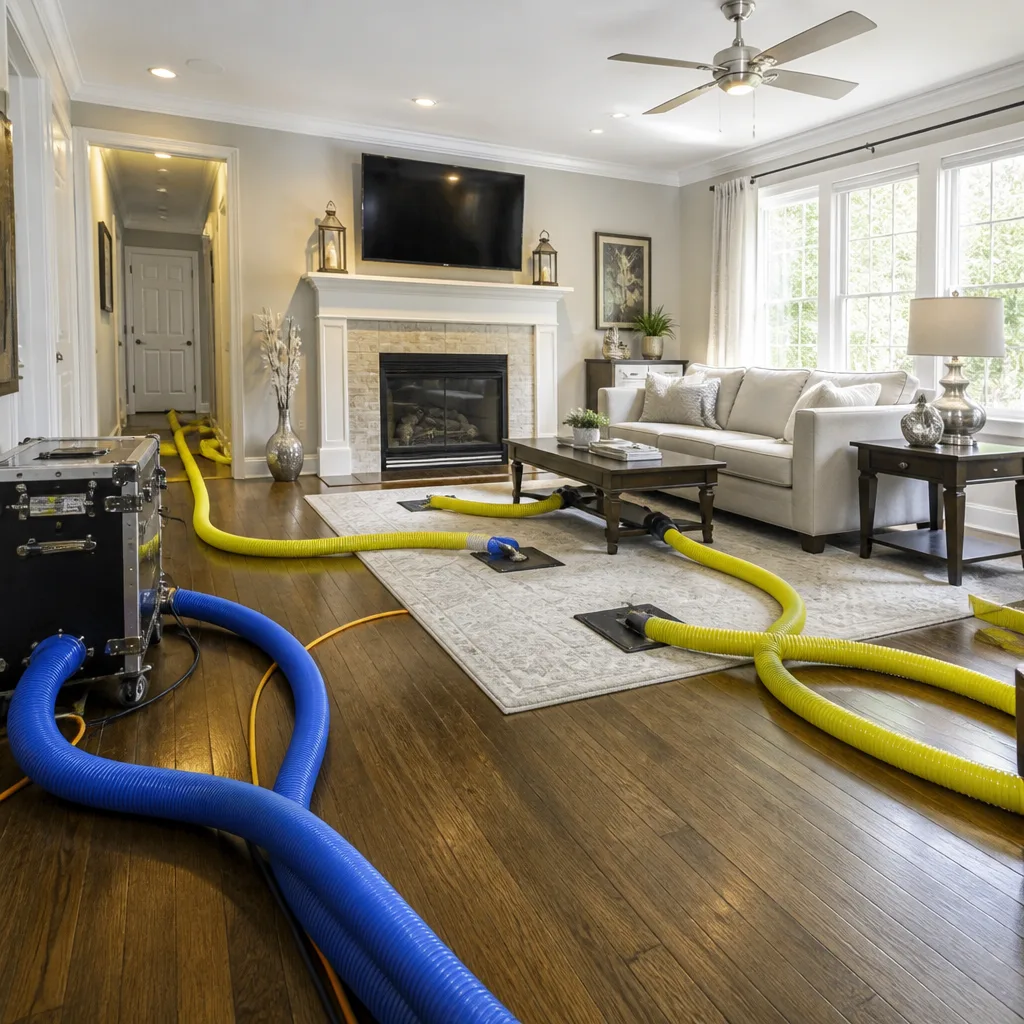 Whole-home duct cleaning
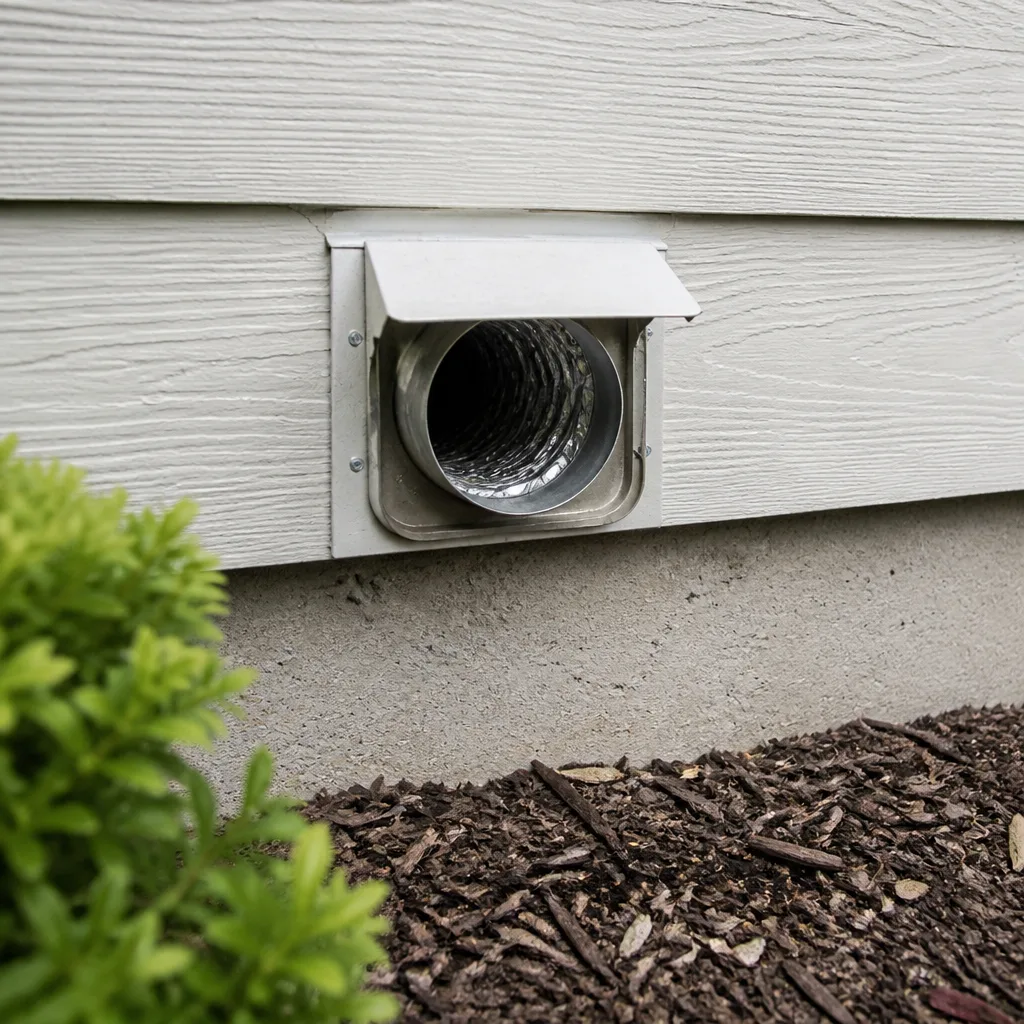 Dryer vent cleaning
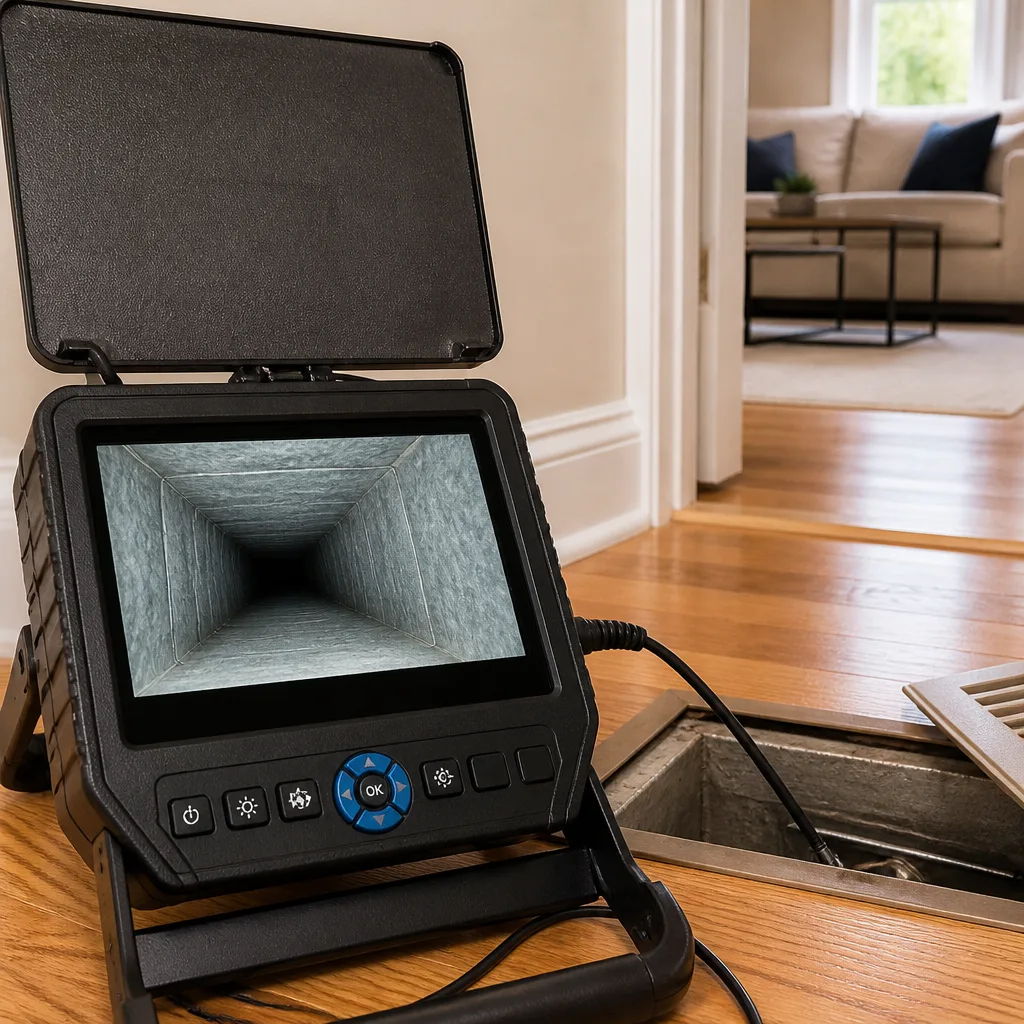 Camera inspection
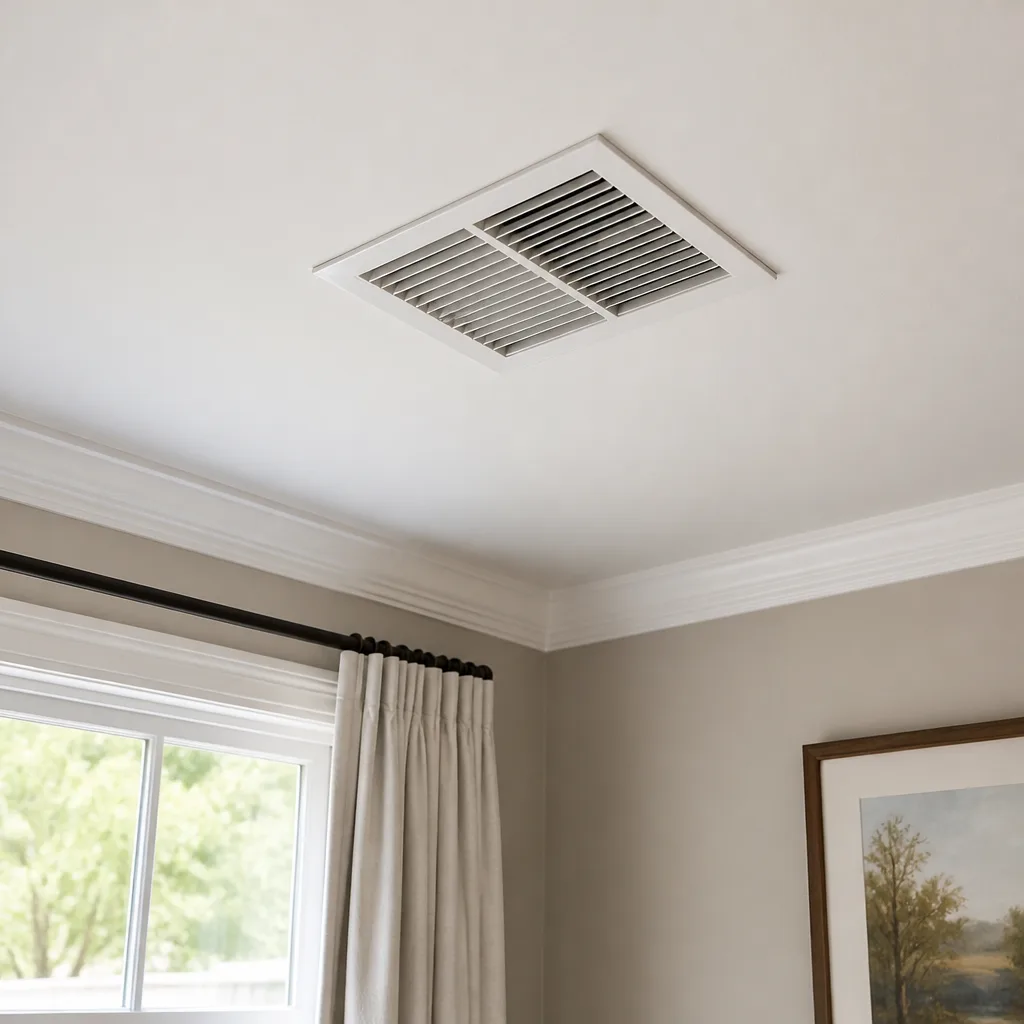 Sanitizing & deodorizing
Whole-system duct and dryer vent check with before-and-after photos - you see exactly what came out of your vents
That "$99 whole-house special" is a bait ad - the real number appears once they are in your hallway, or the "clean" is a shop-vac at the register. We photograph the inside of your ducts before and after instead.
The Complete Guide to Air Duct Cleaning in Salt Lake City
Salt Lake City’s valley location does something to its air that most duct cleaning advice never accounts for. Cold winter air settles under a warmer layer and stops moving, trapping everything the valley produces underneath it. That trapped material has to go somewhere, and a forced-air system running through a long heating season pulls a share of it into the ductwork. National duct cleaning guides are written as if every city breathes the same air. Salt Lake City doesn’t. In this guide, we’ll cover what actually builds up inside Salt Lake City duct systems, why flex duct behaves differently from metal, what older housing stock needs beyond a simple cleaning, and how to verify that the work was genuinely done.
Quick Answer
Air duct cleaning in Salt Lake City means mechanically agitating the inside of every duct run with a rotary brush while a HEPA-rated vacuum pulls the loosened debris out of the system, then verifying the result with before-and-after camera footage. In this valley, that process matters more than in most markets because winter inversions and heavy dust loads concentrate particulate matter for months at a time. A vacuum-only flush is not the same service and leaves fibrous debris behind.
Styles & brands we work with
- Whole-home duct cleaning
- Dryer vent cleaning
- Camera inspection
- Sanitizing & deodorizing
Table of Contents
- Why Salt Lake City Ducts Collect More Than Most
- What Actually Builds Up Inside Salt Lake City Ductwork
- Rotary Brush Cleaning vs. a Vacuum Flush: What’s the Difference?
- Why Flex Duct Is the Hardest System to Clean Properly
- What Pre-1990 Salt Lake City Homes Often Need: Repair, Not Just Cleaning
- Duct Cleaning and Salt Lake City’s Wildfire Smoke Seasons
- How Do You Know the Job Was Actually Done?
- What Affects the Cost of Air Duct Cleaning in Salt Lake City?
- The Second Duct System in Your Home You Shouldn’t Ignore
Why Salt Lake City Ducts Collect More Than Most
Salt Lake City sits in a bowl. The Wasatch Range rises on one side, the Oquirrh Mountains on the other, and the valley floor between them holds whatever the air puts there. During winter, when a layer of warmer air moves over the colder valley air, that valley air stops rising and stops mixing. Meteorologists call it a temperature inversion. Anyone living through a Salt Lake City January calls it the brown layer you can see from the east bench.
An inversion isn’t just an air quality headline. It changes how a furnace system behaves. When cold air pools and thickens with particulate matter, a forced-air furnace cycling on and off all winter is pulling from that pool. The filter catches what it’s rated to catch, and the rest keeps moving. Over the course of a heating season, fine dust, combustion byproducts, and road material all find their way past the filter and settle on duct walls. Some of it sticks to the light film of moisture that forms and recedes as the system heats and cools.
Utah’s high desert climate adds a second factor. Dry air lifts dust easily, and the valley floor is surrounded by it. Spring wind events push that material into every gap in a home’s envelope. Homes near the gravel pits and construction corridors on the west side pick up more of it. That sediment doesn’t vanish. It accumulates at low points in the duct run, behind turning vanes, and at the back of the plenum where airflow slows down.
Most duct cleaning content treats contamination as a generic household problem. In Salt Lake City, the specific drivers are the inversion seasons, the high desert dust, and the long heating cycle that keeps both circulating through the home for five months straight.
What Actually Builds Up Inside Salt Lake City Ductwork
A duct system in this valley typically holds a mix of the following, and each one requires a different approach to remove. Our technicians have up to 11 years of experience working with these patterns in Salt Lake City homes.
- Fine mineral dust and road particulate. The most common deposit, and the easiest to spread if the cleaning method only stirs it up. It settles in floor registers and low trunk sections.
- Deposited lint and fabric fibers. Especially in older homes with flex duct and in systems that pull return air through a hallway grille near a laundry area.
- Pollen and organic matter. Spring and early summer in the valley bring heavy cottonwood and grass pollen that works its way into return-side ductwork.
- Construction debris. Drywall dust, sawdust, and occasionally scraps left behind by installers. Common in newer builds and in any home that’s been remodeled.
- Pet hair and dander matted onto duct walls. Hair binds with dust into a felt-like layer that a vacuum alone won’t lift.
- Microbial growth in humidified systems. Whole-home humidifiers that are poorly maintained can introduce moisture into the supply side, which encourages growth on duct surfaces.
Each of these behaves differently. Mineral dust responds to mechanical agitation and high-volume extraction. Matting and felted hair require a rotary brush. Microbial concerns need a careful assessment before cleaning begins. A cleaning method that works on one deposit may do very little to another.
The important distinction is between what’s loose in the airstream and what’s adhered to the duct wall. Loose debris is what a homeowner notices as dust on furniture. Adhered deposits are what keep sending particles into the air every time the system cycles. A real cleaning addresses both.
Rotary Brush Cleaning vs. a Vacuum Flush: What’s the Difference?
A vacuum flush pulls loose debris out of a duct system. A rotary brush cleaning mechanically scrubs the duct walls while a HEPA vacuum captures what the brush loosens. They are not the same service, and in Salt Lake City ductwork, the difference shows up in the corners and at the joints where deposits concentrate. When you book air duct cleaning from a company that only owns a vacuum, you’re getting a fraction of the work.
Here’s what the process actually involves when it’s done properly:
- Inspect before touching anything. We look at the register openings, the plenum, and the main trunk to see what type of ducting is present and where contamination is heaviest.
- Set up HEPA-grade negative pressure. A Nikro HEPA-rated vacuum unit is connected to the system so that debris pulled loose goes into a collection chamber instead of back into the room.
- Contain the work area. An Abatement Technologies air scrubber runs in the space during service to catch particles that escape during register removal or brush work.
- Agitate each run with a rotary brush. The Rotobrush rotary brush travels the length of each duct and scrubs walls, joints, and corners where a vacuum alone cannot reach.
- Extract and check. Debris is pulled out through the vacuum, and each run is verified with a camera to confirm that the walls are clean.
- Seal and reset. Registers go back on, and we walk the homeowner through what we found and what the system looks like now.
The equipment matters because duct contamination is not uniform. Some of it is a loose dust layer. Much of it is adhered. A vacuum-only approach leaves a meaningful amount of the adhered deposit behind, and that layer keeps shedding into the airstream every time the furnace runs. In our experience, the visible difference between a vacuum flush and a proper rotary cleaning is not subtle once you put a camera in the duct.
Why Flex Duct Is the Hardest System to Clean Properly
A large share of Salt Lake City homes built in the last few decades run flex duct, especially on the branch runs feeding individual rooms. Flex duct is a corrugated plastic sleeve with a wire helix inside. That corrugation is the problem. Every ridge along the inside of the duct catches dust the way a pleated air filter does, and the material is easily damaged by tools that aren’t designed for it.
What this means in practice:
- A vacuum flush moves very little. Airflow passes over the ridges instead of pulling debris from them. The dust stays put.
- A shop-vac hose can tear the liner. Consumer-grade equipment lacks the control and brush design needed for flex, and a torn liner becomes an ongoing leak.
- Rotary brushes designed for flex duct compress the material gently. The Rotobrush system is built for this. The brush diameter is matched to the duct size, so it scrubs the ridges without cutting into the sleeve.
- Disconnected runs are common. Flex is joined with tape or collars, and joints pull apart over time, especially in attics where temperatures swing hard between seasons.
Salt Lake City’s attic temperature swings are hard on flex. Summer attic heat and winter cold push and pull on the joints. A homeowner who notices one room never heats as well as the others usually has a disconnected or crushed flex run, not a dirty furnace. That’s a repair, not a cleaning, and it’s part of why we offer Banner Air Duct Cleaning as a company that cleans the system and, if it’s broken, fixes it.
What Pre-1990 Salt Lake City Homes Often Need: Repair, Not Just Cleaning
Older housing stock in Salt Lake City, from the Avenues to Sugar House to the neighborhoods around Liberty Park, often runs on sheet metal duct systems built to standards that are long out of date. Trunk lines in these homes are frequently undersized for the furnace that was installed later, or dropped in one of the many furnace upgrades that happened through the 1980s and 1990s. Cleaning alone doesn’t fix an undersized or damaged trunk, and it’s the wrong first recommendation.
Common issues we look for in pre-1990 Salt Lake City homes:
- Undersized trunks carrying too much air through too small a duct. The result is high static pressure, noisy airflow, and dust that never quite settles.
- Disconnected plenum connections. The main trunk and the furnace plenum should be sealed. In older homes, they are sometimes taped and the tape has long since failed.
- Crushed or disconnected branch runs. Especially where ductwork has been moved to make room for a remodel or a new water heater.
- Leaking joint systems. Every leaked joint at the trunk pulls attic or crawlspace air into the home instead of conditioned air.
- Sheet metal seams separated by decades of expansion and contraction. These are the highest-value targets for sealing because they often feed directly into occupied rooms.
If you’ve had your ducts cleaned before and still see dust on the registers within a few weeks, or if one room is noticeably harder to heat, the issue is likely duct condition and not duct cleanliness. Air duct repair as a standalone service is the fix. We locate the leak, disconnect, or crushed section with a camera and a pressure reading and correct it. You don’t need a separate HVAC contractor to handle duct damage, and in Salt Lake City, that saves a scheduling step most homeowners don’t expect to have to plan for.
Duct Cleaning and Salt Lake City’s Wildfire Smoke Seasons
Western wildfire seasons have landed hard on Salt Lake City in recent years. When smoke settles into the valley, particulate matter travels through any gap in the building envelope, and forced-air return systems pull a share of it into return ductwork. The visible effect is often a thin soot film on the inside of the return plenum, on the return-side duct walls, and around the register grilles.
After a heavy smoke event, the right response is measured, not automatic.
- Change the furnace filter first. A loaded filter can’t help, and a fresh filter is cheap insurance before doing anything else.
- Check the return grilles and plenum by eye. A dark film on return-side ductwork is a sign the system has taken in a significant load.
- Schedule a duct cleaning if the return side is visibly soiled. Cleaning during smoke season isn’t always necessary, but cleaning after a smoky stretch in Salt Lake City is often the reasonable move.
- Consider a higher-MERV filter going forward. The return side is where the next smoke season gets caught or not. We’re familiar with Honeywell and Aprilaire filtration equipment and can advise on fit without pushing a system your ductwork can’t handle.
- Don’t run the system with all the windows open during a smoke event. It draws the smoke directly into the return.
Fireplace use in older Salt Lake City homes also feeds the smoke story. Wood-burning fireplaces and inserts introduce combustion byproducts into the home that are hard on ductwork over time. If your home runs a fireplace through the winter, the case for a proper cleaning of the return side is stronger.
How Do You Know the Job Was Actually Done?
The single most common complaint about duct cleaning in Salt Lake City, and everywhere else, is that the technician claimed to clean the ducts and nothing visible changed. That’s why verification is part of the job, not an add-on. Camera footage is the standard, and the difference between a legitimate job and a quick one shows up in what the footage looks like before and after.
What proper verification looks like:
- Before photos from inside the return plenum and two or three representative branch runs. The camera goes in before the equipment is connected.
- After photos of the same locations. Same camera, same angles, side by side.
- A walkthrough after the work is complete. The technician shows the homeowner what the before and after look like and explains anything found during the cleaning.
- A written summary of the system condition. Anything needing repair, from a disconnected branch to a torn flex liner, is noted and explained.
If a company won’t show you before-and-after footage of your own ducts, that’s a legitimate reason to pause. The footage is quick to capture and it settles the question. One flat price per system, agreed before the work starts, plus your own before-and-after photos, is the standard we hold ourselves to. Not per-vent pricing, not a spinning filter box on the register, not a verbal promise.
What Affects the Cost of Air Duct Cleaning in Salt Lake City?
Pricing for duct cleaning is set per system, by estimate, not per vent. That’s the single most useful piece of information we can give you about cost, because per-vent pricing is the mechanism most commonly used to turn a low advertised rate into a much larger invoice once the technician is standing in your home. Duct cleaning is a whole-system job. The price reflects the size and condition of your system, not a count of registers.
What actually drives the estimate:
- Number of systems. A home with two furnaces has two duct systems and needs two cleanings.
- System condition. Heavy contamination, pet hair, construction debris, or long-uncleaned systems take longer.
- Duct type. Flex duct requires more careful handling than rigid metal and takes longer to clean well.
- Access. Some homes have easy attic or crawlspace access to every branch. Others require extra time to reach runs.
- Repair needs. A disconnected branch, damaged trunk line, or torn flex liner is a separate repair.
- Second system: dryer vent cleaning. Separate job, separately estimated.
We don’t quote ranges we haven’t confirmed. What we can say clearly is that we estimate per system, put the price in writing before work starts, and don’t adjust it after the technician arrives. Call (855) 752-4416 for a free estimate. Estimates are free and the price is set by the written estimate.
The Second Duct System in Your Home You Shouldn’t Ignore
Every home has a second duct system that too often gets ignored: the dryer vent. Lint accumulates on the inside of the vent line with every load, and enough of it becomes a fire risk. This isn’t a theoretical point. Dryer vent fires are a documented leading cause of residential fires in the United States, and the mechanism is the same everywhere: lint builds up, airflow drops, heat rises, and the conditions line up. In Salt Lake City, where the vent line often runs up through a wall or across an attic to reach the exterior, runs are longer than in milder-climate builds and lint has more opportunity to accumulate on the walls.
Signs the dryer vent needs attention:
- The dryer takes noticeably longer to dry a load than it did a year ago.
- The exterior vent flap doesn’t open fully, or opens weakly.
- The top of the dryer is warm to the touch after a cycle.
- You can see lint at the vent opening or behind the dryer.
- You can’t remember the last time it was cleaned.
Dryer vent cleaning is a separate service from duct cleaning. It uses different tooling, different access points, and different equipment. We treat it as a safety service, not an efficiency add-on. If your dryer vent hasn’t been looked at, or you’ve noticed any of the signs above, this is one of those jobs that’s worth handling promptly. You can see more about our dryer vent cleaning on the dedicated page. If you’re searching for service across the valley, our Salt Lake City page covers the services we provide.
Common Mistakes to Avoid
- Hiring the company with the lowest advertised rate. A teaser price is often the start of per-vent add-ons that push the final invoice far above the quote. Ask for a per-system written estimate before scheduling.
- Accepting a vacuum-only flush as “duct cleaning.” A shop vac on a hose does not loosen adhered deposits, and in Salt Lake City’s fibrous flex systems, it leaves nearly all of it behind. Ask what brush system the company runs.
- Skipping the camera check. A technician who can’t show you before-and-after footage of your own ducts is telling you something. Insist on it.
- Cleaning without checking for disconnects and leaks. In pre-1990 Salt Lake City homes, duct damage is often the actual reason the home feels dusty. Cleaning alone won’t fix a disconnected flex branch or a leaking trunk joint.
- Forgetting the dryer vent. Duct cleaning visits cover the HVAC system. The dryer vent is separate, and it’s the one with documented fire-risk implications.
- Cleaning during the middle of smoke season as the first reaction. Change the filter and inspect before assuming a full cleaning is needed. Sometimes it’s the right move, sometimes it isn’t.
- Believing an “air-duct sanitizing” fog settles the job. Fogging a system without removing debris first just mists the debris. The mechanical removal is the cleaning; anything else is layered on top.
See the difference
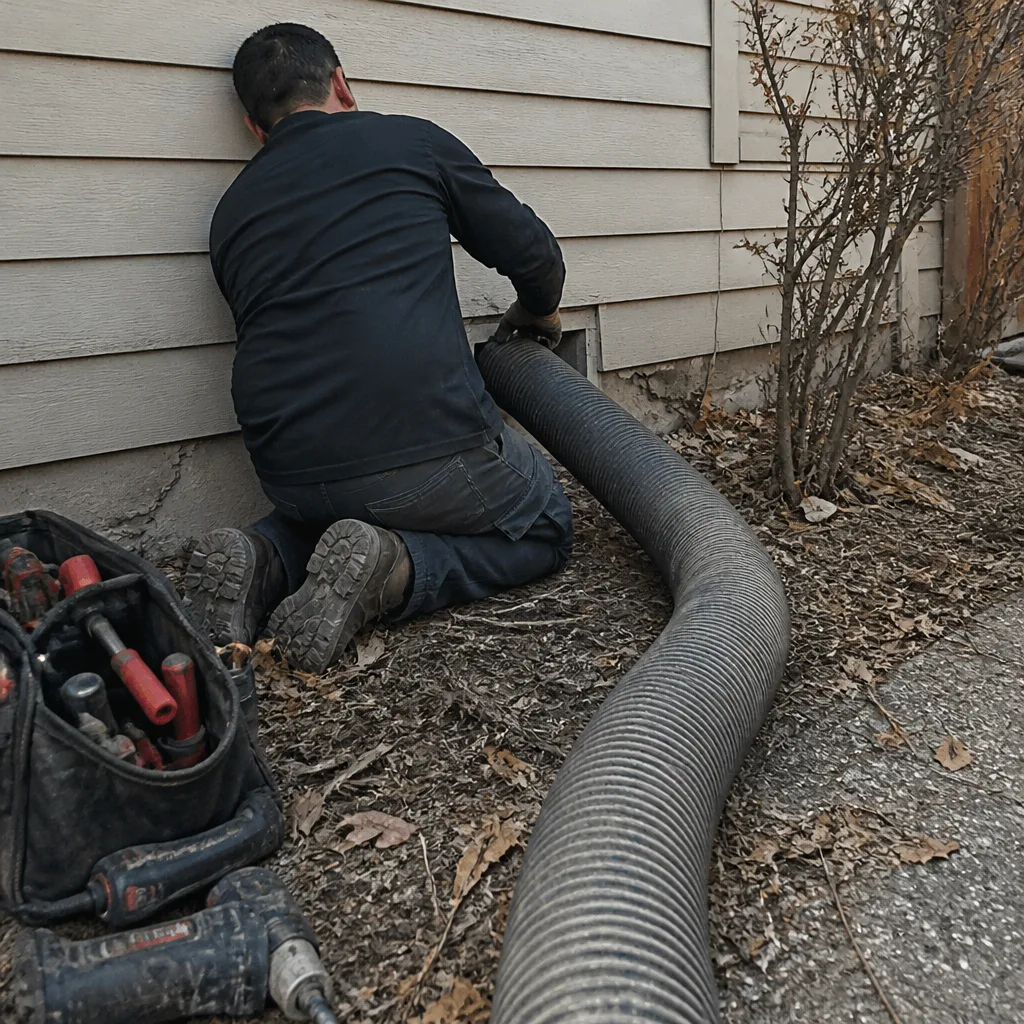 Before
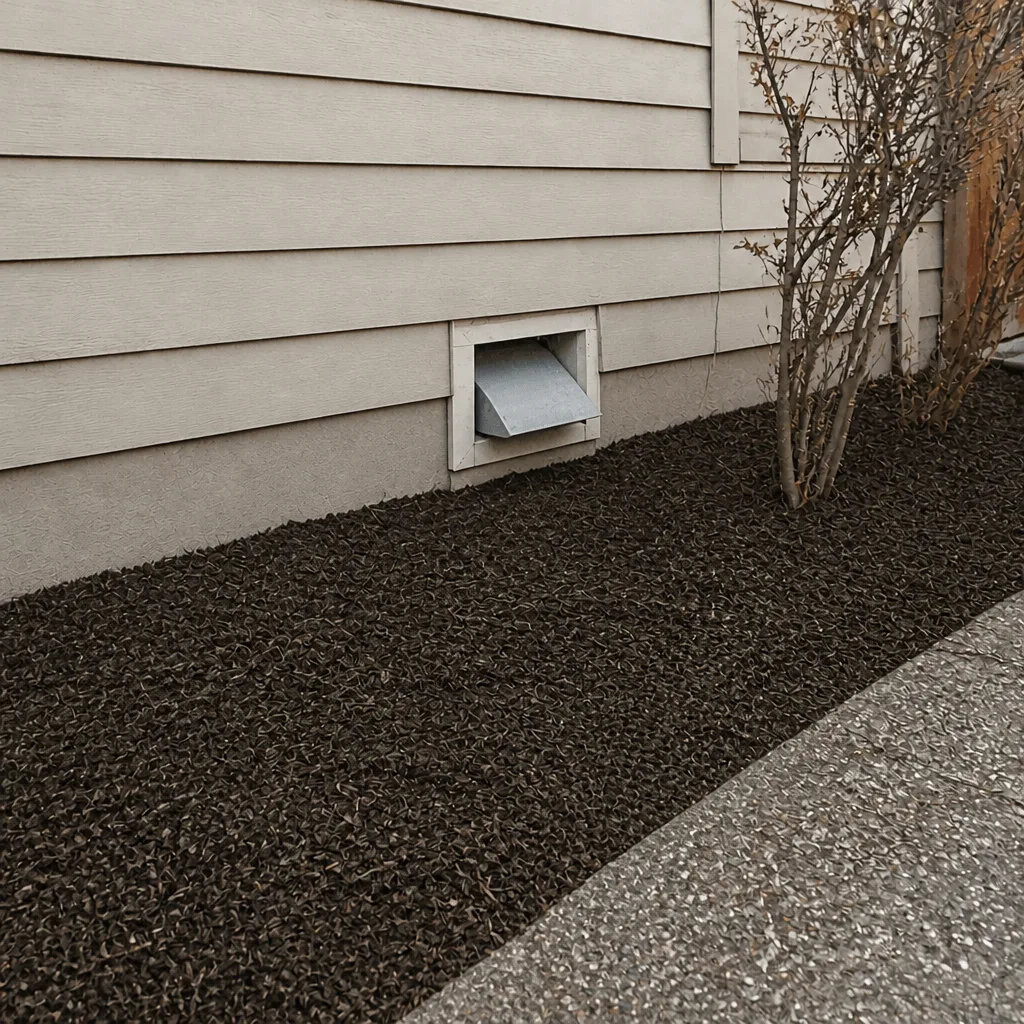 After
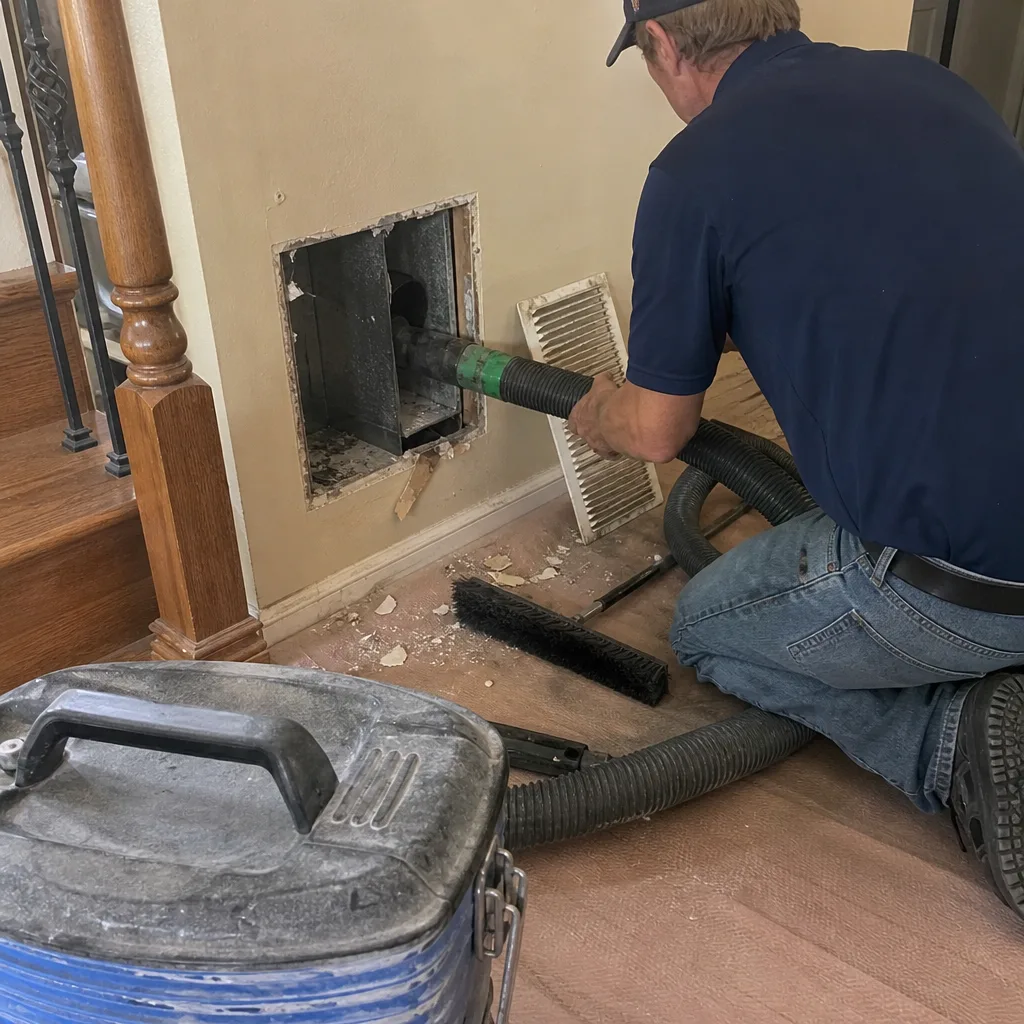 Before
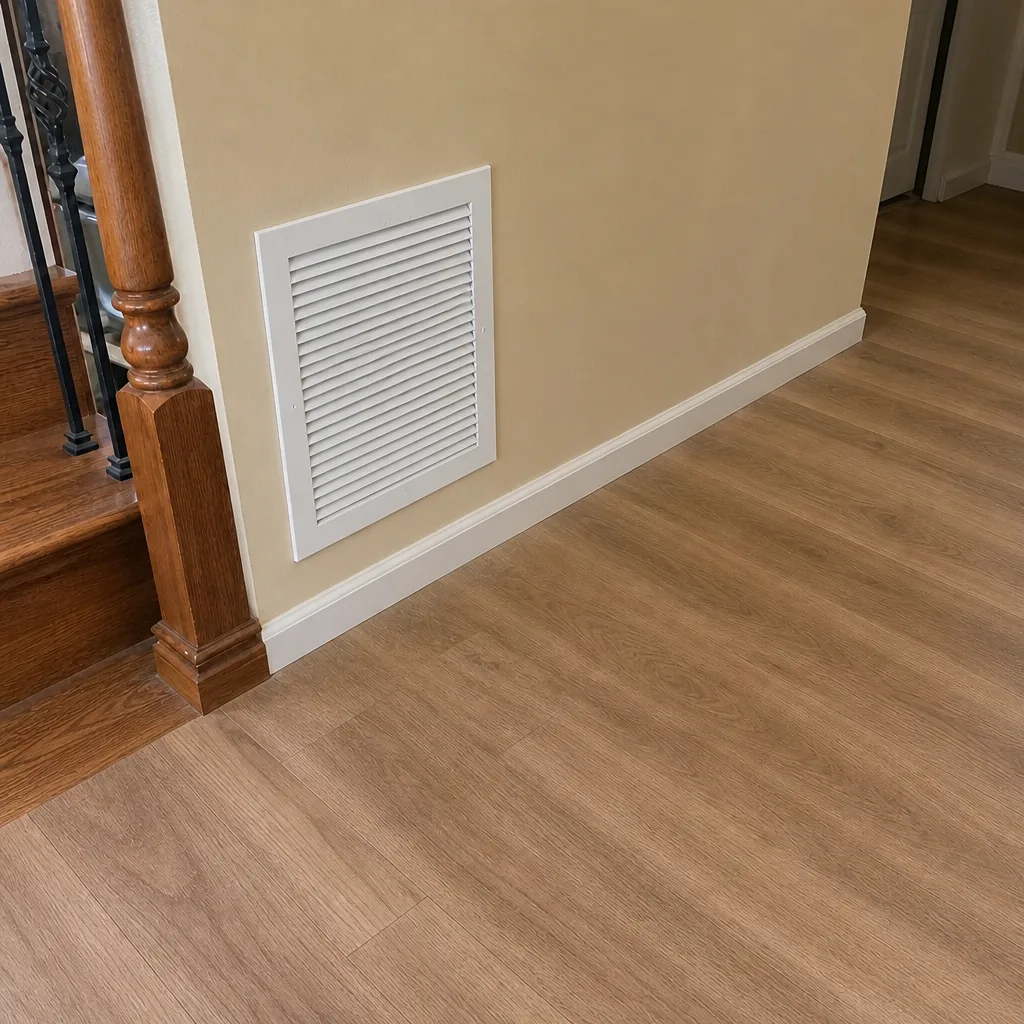 After
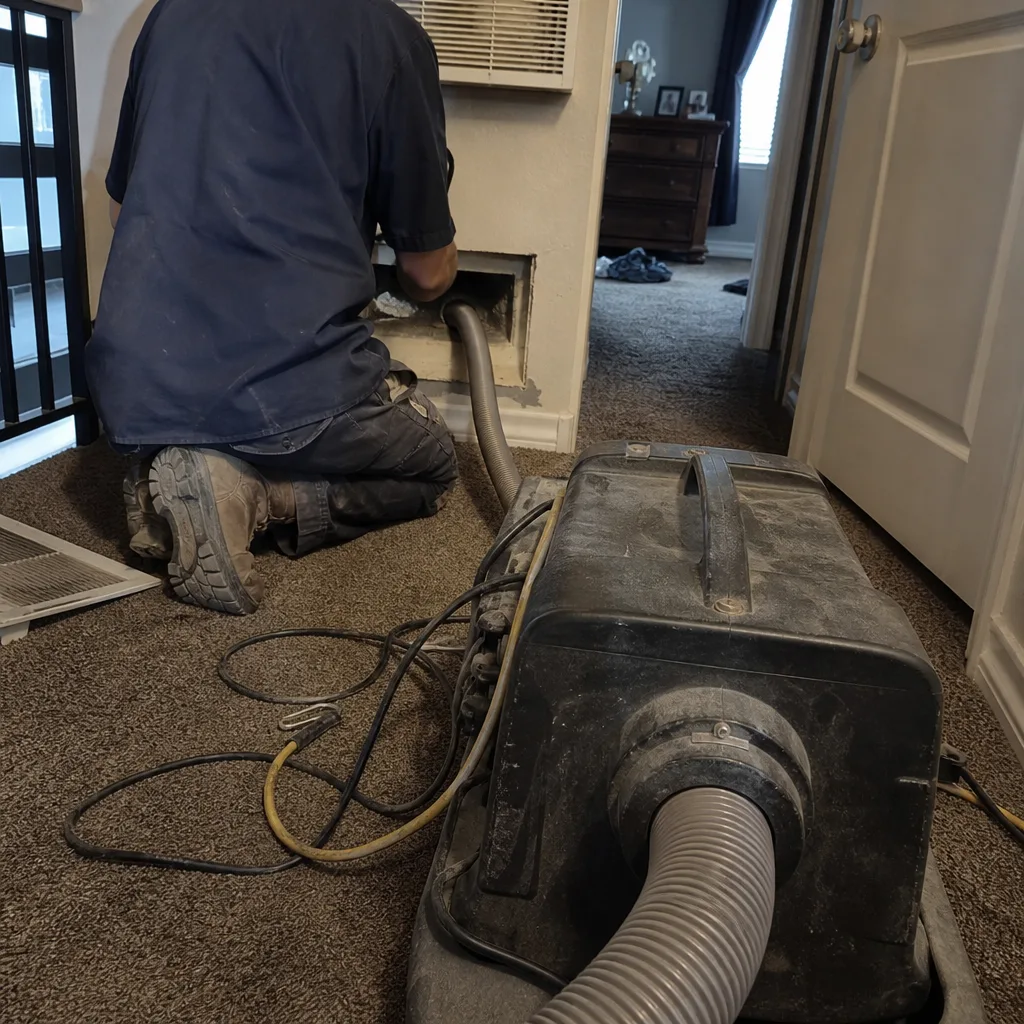 Before
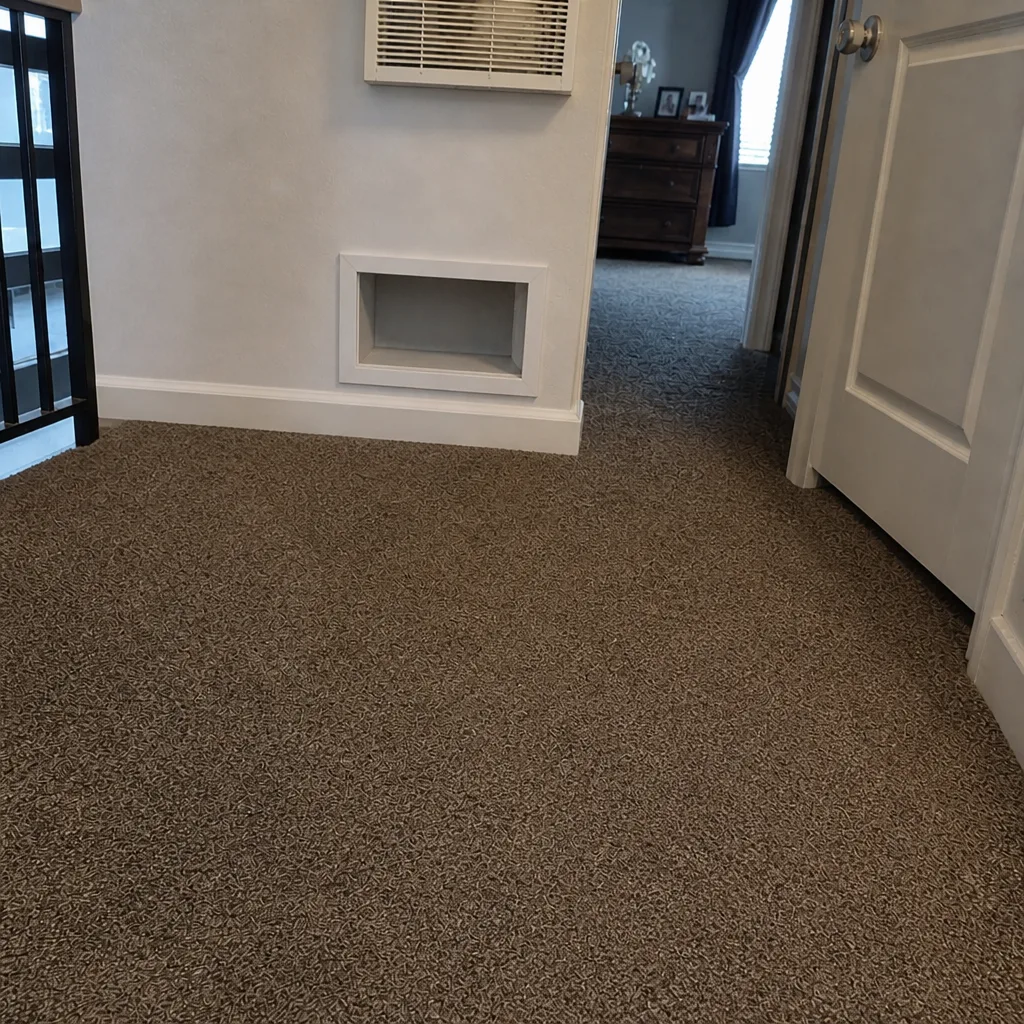 After
When to Call a Professional
Some homeowners can look inside a register and see clearly that the ducts are soiled. Others can’t see anything, but the symptoms line up: dust returning to furniture days after cleaning the house, a room that won’t heat properly, allergy complaints that track with the furnace running, or a home that’s just been through a remodel. A visible soot film on return grilles after a smoke event is a straightforward call. A disconnected or crushed branch is a repair, not a homeowner job, and worth getting checked before it keeps leaking for another season. Anyone uncertain should get an assessment before scheduling a cleaning, because a good estimate will also flag anything that needs repair. Banner Air Duct Cleaning offers free estimates in Salt Lake City. Call (855) 752-4416 to get one. We answer 24/7. Fast dispatch from 7am to 7pm, Sunday through Friday.
Frequently Asked Questions
Air duct cleaning in Salt Lake City is priced per system, by written estimate, not per vent. The final price depends on the number of systems, the condition of the ductwork, the type of ducting, and whether any repair work is needed. Call (855) 752-4416 for an exact quote. Estimates are free and the price is set by the written estimate.
For most Salt Lake City homes, a cleaning every few years is reasonable, with a shorter interval if the home runs a long heating season, has pets, has been remodeled, or has taken in a heavy wildfire smoke load. Homes with flex duct and heavy dust loads often benefit from a closer check than homes with sealed metal systems. Call (855) 752-4416 to talk through what makes sense for your home.
Rotobrush is a rotary brush system that mechanically scrubs the inside walls of each duct. A rotation brush loosens adhered debris, and a connected HEPA vacuum pulls it out of the system. A “regular” duct cleaning using only a vacuum pulls loose debris but leaves the adhered layer, which is what sheds back into the airstream every time the furnace runs. Ask what equipment the company will bring before you schedule.
Cheap quotes usually mean one of three things: vacuum-only equipment with no rotary brush, a per-vent price that grows once the technician arrives, or a schedule that doesn’t allow time to do the actual work. A cleaning takes as long as the system requires. If a quoted rate assumes a fifteen-minute visit, that rate reflects the real scope. Call (855) 752-4416 for a straightforward estimate.
Insist on before-and-after camera footage from inside your own ducts. A legitimate cleaning captures both, shows them to the homeowner, and is willing to explain what was found. If a company won’t show the footage, or can only describe the job verbally, that’s a reason to choose someone else. Call (855) 752-4416 to see how we handle verification on a typical Salt Lake City job.
Sometimes, but not always. In pre-1990 Salt Lake City homes, an under-heating room usually means a disconnected, crushed, or undersized duct run, not dirty ductwork. Cleaning won’t fix a broken duct. It’s an air duct repair job. An assessment before booking a cleaning catches this so you’re not paying for the wrong service.
Each service has its own page. Air duct cleaning, dryer vent cleaning, and air duct repair are all separate jobs with different equipment and different scopes. If you’re not sure which applies to your home, call (855) 752-4416 and we’ll walk through the symptoms before booking anything. We answer 24/7. Fast dispatch, 7am-7pm, Sunday through Friday.
The Bottom Line
Salt Lake City is not a generic duct cleaning market. The winter inversions, the high desert dust, the fibrous flex duct construction of recent decades, and the older sheet metal systems with undersized or damaged trunks all change what a duct cleaning needs to address. That means a real cleaning requires mechanical agitation with a rotary brush, HEPA-grade extraction, containment during the work, and before-and-after camera footage to verify the result. And it means duct cleaning has to be paired with an honest look at whether the system needs repair, not just a flush. For homeowners ready to see what’s actually inside their system, call (855) 752-4416 for a free estimate. We answer 24/7. Fast dispatch from 7am to 7pm, Sunday through Friday.
Written by the team at Banner Air Duct Cleaning.