
Last updated November 16, 2026
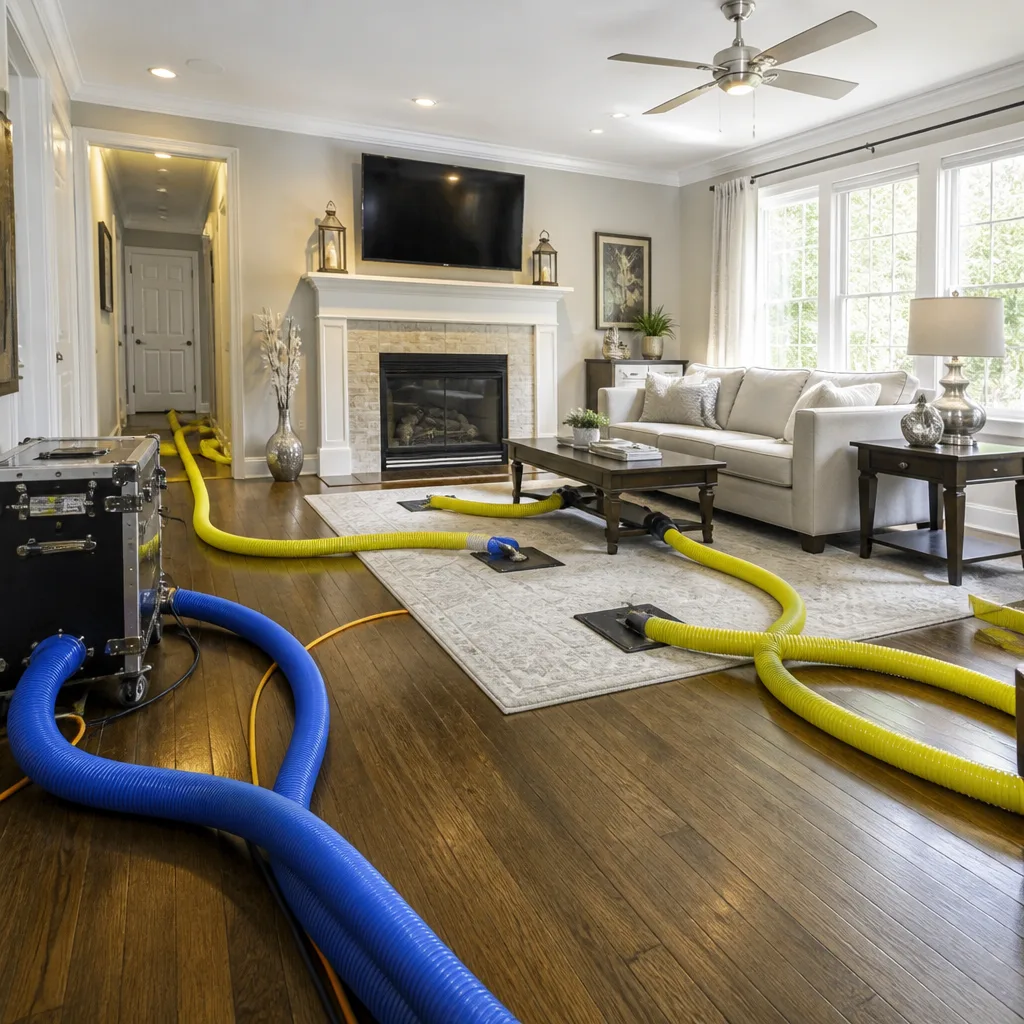 Whole-home duct cleaning
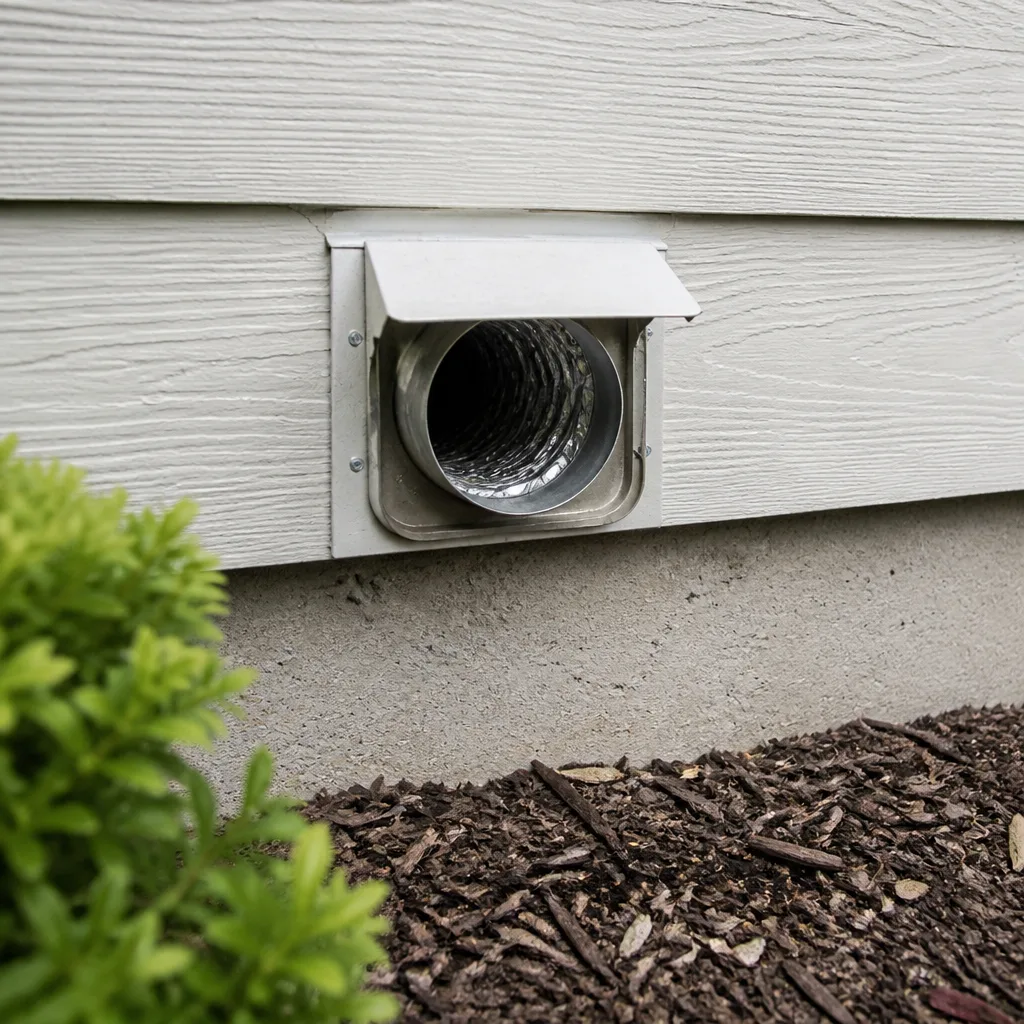 Dryer vent cleaning
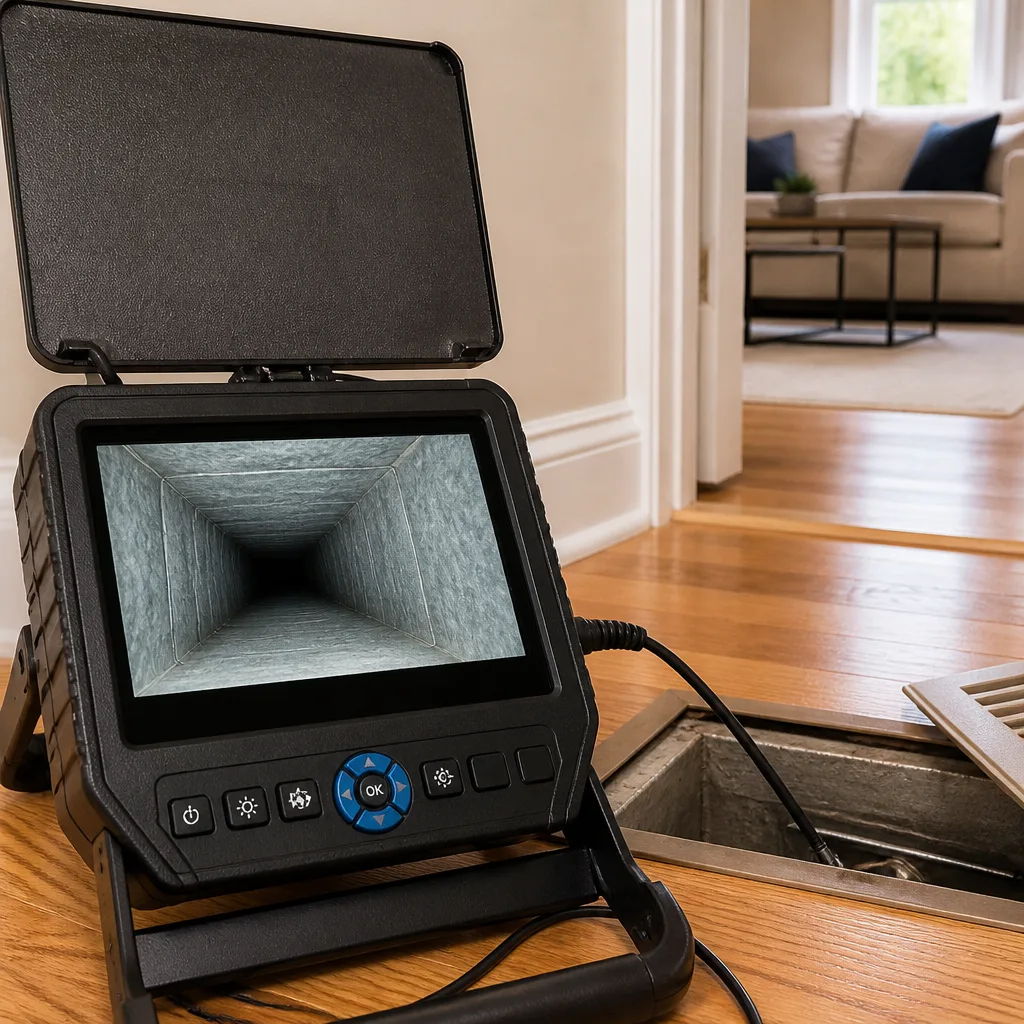 Camera inspection
 Sanitizing & deodorizing
Whole-system duct and dryer vent check with before-and-after photos - you see exactly what came out of your vents
That "$99 whole-house special" is a bait ad - the real number appears once they are in your hallway, or the "clean" is a shop-vac at the register. We photograph the inside of your ducts before and after instead.
Air Duct Cleaning Cost Breakdown: The Salt Lake City Homeowner’s Reference for 2026
That $89 duct cleaning coupon showing up in Salt Lake City mailers is real, and so is what it buys you: a portable vacuum run across four to six vents, no contact cleaning, and trunk lines and return system left exactly as they were. The price isn’t dishonest by itself. The problem is that it’s pricing a fraction of the job and letting homeowners assume the whole system got cleaned. This reference breaks down what a legitimate whole-system cleaning actually costs in Salt Lake City in 2026, line by line, so you can compare quotes on scope instead of sticker price. You’ll learn the three pricing models contractors use, what legitimately raises a job’s cost, and how to spot the scope gaps hiding inside a low bid.
Quick Answer
A full whole-system air duct cleaning in Salt Lake City typically runs $350 to $650 for an average home, with larger homes, multiple return runs, or added dryer vent cleaning pushing the total toward $700 to $900. Whole-system jobs price the supply lines, return system, main trunk, and air handler as one scope, not per vent. If a quote is dramatically lower than that range, ask exactly which of those components it covers before you compare it to anything else.
Styles & brands we work with
- Whole-home duct cleaning
- Dryer vent cleaning
- Camera inspection
- Sanitizing & deodorizing
Table of Contents
- Why Duct Cleaning Prices Vary So Much in Salt Lake City
- What a Whole-System Cleaning Actually Includes, Line by Line
- The Three Pricing Models Contractors Use
- What Legitimately Increases the Cost of a Job
- How to Read Competing Quotes and Find the Scope Gaps
- The Real Cost of the Discount Approach
- Dryer Vent Cleaning: The Line Item Worth Adding
- The Equipment Question That Explains the Price Gap
Why Duct Cleaning Prices Vary So Much in Salt Lake City
Two quotes for the same house can land $300 apart, and the gap almost never comes down to contractor markup alone. It comes down to scope. One bid prices six vents. The other prices the entire system: every supply run, the return trunk, the main plenum, and the air handler cabinet. Those are not the same job, so they don’t share a price.
Salt Lake City adds a wrinkle that shapes which jobs cost more. The valley’s winter inversions trap fine particulate near the ground for days at a time, and that dust gets pulled into return grilles and settles in ductwork whether or not the furnace is running hard. Homes along the east bench, in the Avenues, and out toward Rose Park and Glendale tend to see heavier settled debris in returns than homes in newly built subdivisions with sealed, well-filtered systems. That’s not a sales pitch; it’s a physical difference in what a technician finds when the vacuum goes on.
Housing stock matters just as much. Salt Lake City has a deep inventory of mid-century homes where the original sheet metal ducts have been patched, extended, and reconnected over decades. Some of that work is solid. Some of it isn’t. A cleaning quote that doesn’t account for what the duct system looks like on arrival is a guess, not an estimate.
Here’s the practical takeaway. When you see a price, ask what’s inside it. A cheap bid and a fair bid for a full system aren’t the same product, and treating them as comparable is how homeowners end up paying twice. We strip pricing down to scope every time we look at a Salt Lake City home, and that’s the lens this whole guide uses.
What a Whole-System Cleaning Actually Includes, Line by Line
A legitimate whole-system cleaning prices five or six components, not a vent count. Here’s how the line items break down for a typical Salt Lake City home in 2026, with realistic estimated ranges for each. These are typical figures for the local market, and the written estimate always sets the final price.
- Supply line cleaning ($120 to $220). Every supply run from the air handler out to the registers, mechanically agitated with a rotary brush and extracted under negative pressure so loosened debris is captured, not pushed back into rooms.
- Return system cleaning ($80 to $160). The return grilles, return trunks, and any return plenum feeding back to the air handler. This is the component most discount jobs skip, and it’s usually the dirtiest part of a Salt Lake City system because that’s where unfiltered air first enters.
- Main trunk line ($60 to $120). The large rectangular or round trunk running the length of the system. Bigger trunk volume means more extraction time.
- Air handler and blower cabinet ($60 to $120). The fan compartment, evaporator coil access area, and drain pan cleared of loose debris. This is where a lot of fine dust collects, and it’s the piece most likely to be left out of a per-vent quote.
- Dryer vent cleaning ($100 to $180 when bundled). A separate duct, a separate fire risk, and often worth adding to the same visit.
Add those line items and you land right in the $350 to $650 range for an average home, which is where most honest whole-system bids come in. If the number on a quote is well below the sum of its own line items, or if the quote has no line items at all, you’ve found your answer about what’s missing. When you call us for air duct cleaning, we walk the system first and put that scope in writing before any work starts.
The Three Pricing Models Contractors Use
Contractors price duct cleaning three ways: per vent, flat rate, or system-based. System-based pricing correlates most reliably with actual scope of work, because it accounts for the whole distribution system instead of a vent count that says nothing about trunk volume, return runs, or accessibility.
Here’s how each model behaves in practice:
- Per-vent pricing. You’re charged a set amount for each register or grille. The problem is that vents say nothing about how much duct sits behind them. A house with eight short runs off a compact trunk is a smaller job than a sprawling ranch with two long returns and thirty feet of accessible trunk, and per-vent pricing charges the same or more for the harder job. It also creates an incentive to count vents rather than clean a system.
- Flat rate pricing. One number for “a duct cleaning,” regardless of size, returns, or accessibility. It sounds simple, and it’s exactly the model that produces teaser coupons. A flat rate that’s low enough to advertise has to assume the smallest possible job, which means the actual work gets trimmed to fit the price once the technician is on site.
- System-based pricing. The estimate covers the full scope: supply runs, return system, main trunk, air handler. Cost moves with real variables like square footage, number of returns, and duct material. It’s the model that lets you compare one honest bid against another, because each bid is priced on the same defined scope.
None of this means every flat rate is a bad deal. It means you should understand which model you’re looking at before comparing numbers. Since you pay per job by written estimate, system-based pricing is the model we use: one flat price per system, agreed before work starts, no per-vent math added later. That’s the whole point of putting the scope in writing.
What Legitimately Increases the Cost of a Job
Not every higher quote is a markup, and not every lower one is a bargain. Certain conditions genuinely add labor and equipment time, and knowing them lets you judge whether a bid reflects the work in front of it.
- Square footage and number of returns. A bigger home with multiple returns takes longer to bring under negative pressure and clean properly. Two returns instead of one can add real time even in a modest house.
- Accessibility of the ductwork. Ducts buried behind finished ceilings, boxed into soffits, or ending at floor registers under heavy furniture take longer to reach. Accessibility is often the biggest single line-item swing in Salt Lake City homes.
- Insulated flex duct versus sheet metal. Flex duct requires lower brush speeds and gentler handling, and some sections can’t take mechanical agitation at all. Sheet metal tolerates more aggressive cleaning, which is faster. A system that’s a mix of both changes the work plan.
- Degree of contamination. A system that hasn’t been cleaned in years, or that’s drawn in construction dust during a remodel, needs more extraction passes than one cleaned routinely.
- Repair needs. Loose joints, disconnected runs, crushed flex, and torn insulation are common in older Salt Lake City homes. Where cleaning alone can’t fix a duct run, repair work adds to the estimate. That’s a separate scope from cleaning, and it’s work we handle as a standalone service.
Each of these is a concrete, checkable condition. When a contractor explains which ones apply to your home, you can follow the reasoning. When a quote has a number and no reasoning, ask what drives it. We photograph and discuss the before-and-after conditions so you can see what changed.
How to Read Competing Quotes and Find the Scope Gaps
When two quotes for the same home are $200 apart, the gap almost always lives in what the lower bid left out. You don’t need a technical background to find it. Ask these specific questions of both contractors, in writing, and compare the answers side by side:
- “Does this price include the return system and the main trunk, or just the supply vents?” A quote that covers only supply vents is a fraction of the job. Return trunks and the main plenum are usually where the heaviest debris sits.
- “How many vents does your price cover, and what happens above that number?” If a low bid covers four to six vents, you need to know what the extra vents cost before you sign, not after.
- “What equipment will be used in my home?” Ask specifically about rotary brush agitation and HEPA-rated extraction. A portable vacuum alone doesn’t agitate the duct walls or capture fine particles the way professional extraction does.
- “Will you protect the air in the rooms while you work?” Negative pressure and containment equipment matter when displaced debris is in the air. Ask how the contractor keeps that debris out of your living space.
- “What’s the total, with all fees, on the day of the visit?” Get the number in writing, and make sure no add-ons appear once the technician is inside.
Here’s the trick that catches most scope gaps: quote the same scope back to both contractors. Tell each one you’re comparing a whole-system cleaning including returns, main trunk, and air handler. Watch which bid suddenly grows. A low bid that jumps once the real scope is named wasn’t a cheaper job; it was a smaller one priced to look like a full job until you signed. Our estimates spell out the scope, one flat price per system, so you’re comparing like for like.
The same logic applies to how often the work is needed. If a system hasn’t been cleaned in a decade, a bid priced for light maintenance won’t cover it, and a contractor who doesn’t ask when it was last cleaned is guessing at the scope.
The Real Cost of the Discount Approach
The cost of a cheap cleaning isn’t the $89. It’s what the $89 leaves undone and what that turns into later. When a discount job skips the return system and the air handler, the debris load stays in the system, and the next cleaning has to start from a deeper hole. That’s money spent twice on the same dirt.
The bigger risk is what goes unnoticed. A $89 visit that runs a vacuum past the registers doesn’t inspect duct connections. Disconnected or crushed runs, torn flex, and loose joints stay hidden. Those same defects let supply air escape into wall cavities and crawl spaces instead of reaching rooms, which shows up as rooms that never quite heat or cool evenly. Eventually the fix is repair work, priced as a separate job, plus the cleaning you already paid for. The pattern is predictable: a low quote, a light service, a return call, and a larger bill than a proper whole-system cleaning would have cost the first time.
There’s a quality dimension as well. A cleaning without mechanical agitation and proper extraction can stir settled dust without removing it, and a portable vacuum that recirculates exhaust back into the room can put fine particles in the air during the job. The result is a house that seems no cleaner than before, and sometimes worse. That’s not a matter of a contractor being lazy; it’s the ceiling of what small equipment can do.
The honest comparison isn’t between a $89 coupon and a $550 system cleaning. It’s between a $89 partial service you may need to repeat and a whole-system cleaning priced on scope with the repair done if something’s broken. That’s the difference between cleaning ductwork and actually fixing a duct system, and it’s why we clean it and, if it’s broken, we fix it in a single visit.
Dryer Vent Cleaning: The Line Item Worth Adding
Dryer vent cleaning isn’t part of the air duct system, but it’s the line item most worth adding to the same visit. Lint buildup in a dryer exhaust duct is a documented leading cause of residential fires, and it’s the kind of risk that builds quietly over years until the duct is blocked enough to trap heat. Treating it as an optional upsell misses the point. It’s a safety service priced separately.
In Salt Lake City homes, dryer vents often run long distances through finished walls or up and out through the roof, and those long runs collect lint faster. A vent that’s flexible and ribbed catches more lint along its length than a smooth metal one. That’s not a reason to skip the service. It’s a reason to have it done on a regular schedule rather than after a dryer starts taking two cycles to dry a load.
Dryer vent cleaning typically runs $100 to $180 when bundled with a duct cleaning in Salt Lake City, and estimates are free. If you’re already scheduling dryer vent cleaning, adding it to the duct cleaning visit saves a second appointment and gets both jobs done with the same equipment on site. Your dryer vent is a fire risk, and we treat it like one: inspect the full run, clear the lint, and confirm the exterior vent flap moves freely before we leave.
The Equipment Question That Explains the Price Gap
Two quotes for a whole-system cleaning can still differ by $200 even when both describe the same scope. The difference is the equipment, and it’s the most concrete thing you can ask about when comparing bids.
Consumer-grade vacuums and rental-counter tools move air, but they don’t do the two things that make a cleaning work. First, they don’t agitate the duct walls. Dust and debris cling to the inside of a duct, and moving it requires mechanical contact, which is what a rotary brush system does. Second, they don’t capture fine particles; they can recirculate exhaust back into the room while they run. Professional extraction equipment addresses both. The price difference between quotes usually reflects the difference between those two approaches.
Our technicians have up to 11 years of experience, and the equipment is the reason we run the jobs we do. We operate Rotobrush and Nikro professional systems: rotary brush agitation combined with HEPA-rated extraction that captures particles down to 0.3 microns rather than recirculating them. We deploy Abatement Technologies air scrubbers during service to contain displaced contaminants while we work. And we’re trained on Aprilaire and Honeywell air-quality systems, so we clean around whole-home filtration and humidification equipment without disturbing the manufacturer’s expectations for it. Run a cleaning with the right hardware and the results show up in before-and-after photos of your own ducts, not a stock image.
That’s also the practical reason to ask about equipment in the quote. If a bid doesn’t name the tools, ask. A crew that can’t tell you what machine it’s bringing is charging for labor, not results.
Common Mistakes to Avoid
- Comparing a per-vent quote to a whole-system quote. These aren’t the same product. Line up the scopes first, then compare prices, or you’ll be deciding between two different jobs.
- Booking before you know the scope. Ask for the written estimate that names returns, main trunk, and air handler. If a contractor can’t itemize it before the visit, the price is a guess.
- Assuming “we clean all your vents” means the whole system. Vents are the openings; the system is the ductwork behind them. Whole-system cleaning covers what’s behind.
- Skipping the dryer vent because it isn’t part of the HVAC system. Lint in the dryer duct is a documented fire risk and collects faster in long runs common in Salt Lake City homes.
- Cleaning around a known duct problem instead of fixing it. A disconnected or crushed run keeps leaking air after it’s been cleaned. Have the repair scoped with the cleaning so it gets fixed at the same time.
- Choosing equipment by price alone. Ask what machine is coming. Rotary brush agitation and HEPA extraction are the difference between cleaning a system and vacuuming its openings.
- Waiting for visible dust before scheduling. By the time dust shows at registers, the return system and air handler have been loading up for a while. Have the system checked and cleaned on a sensible schedule.
See the difference
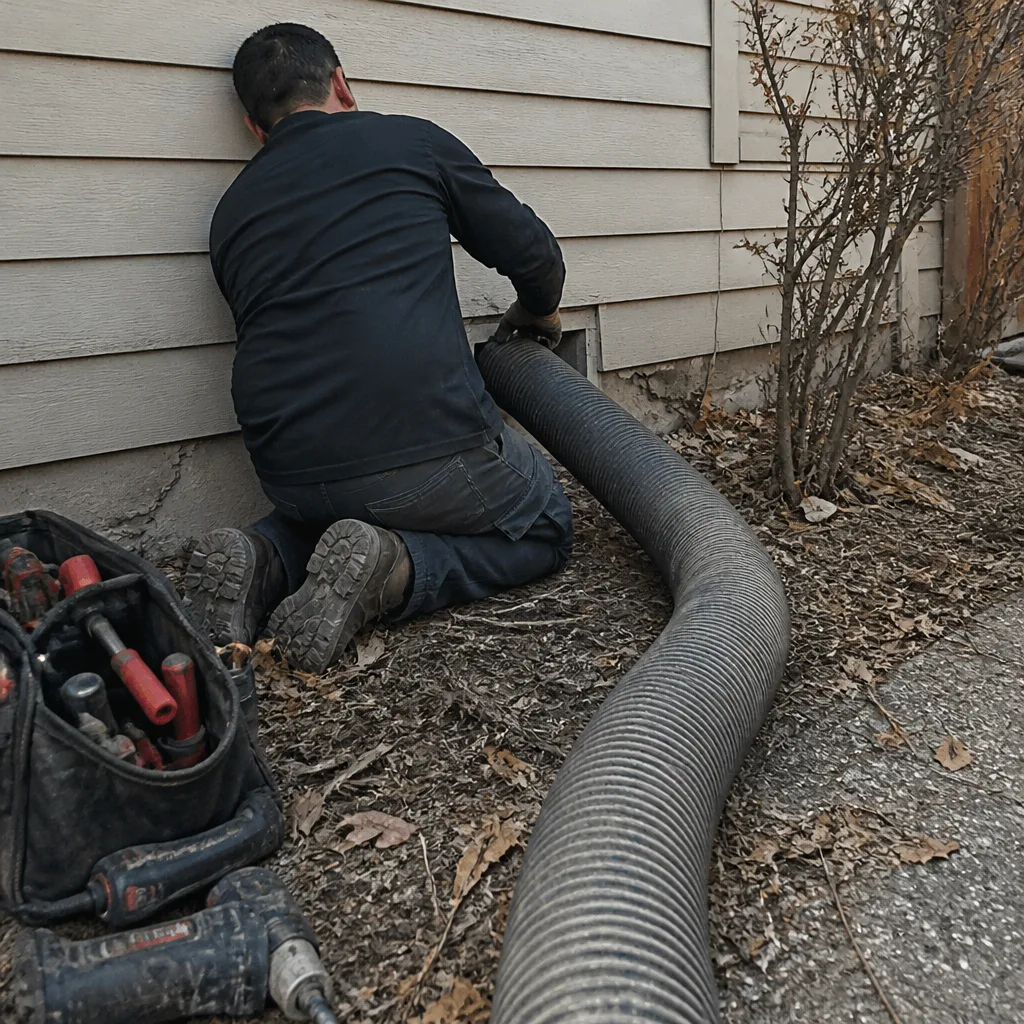 Before
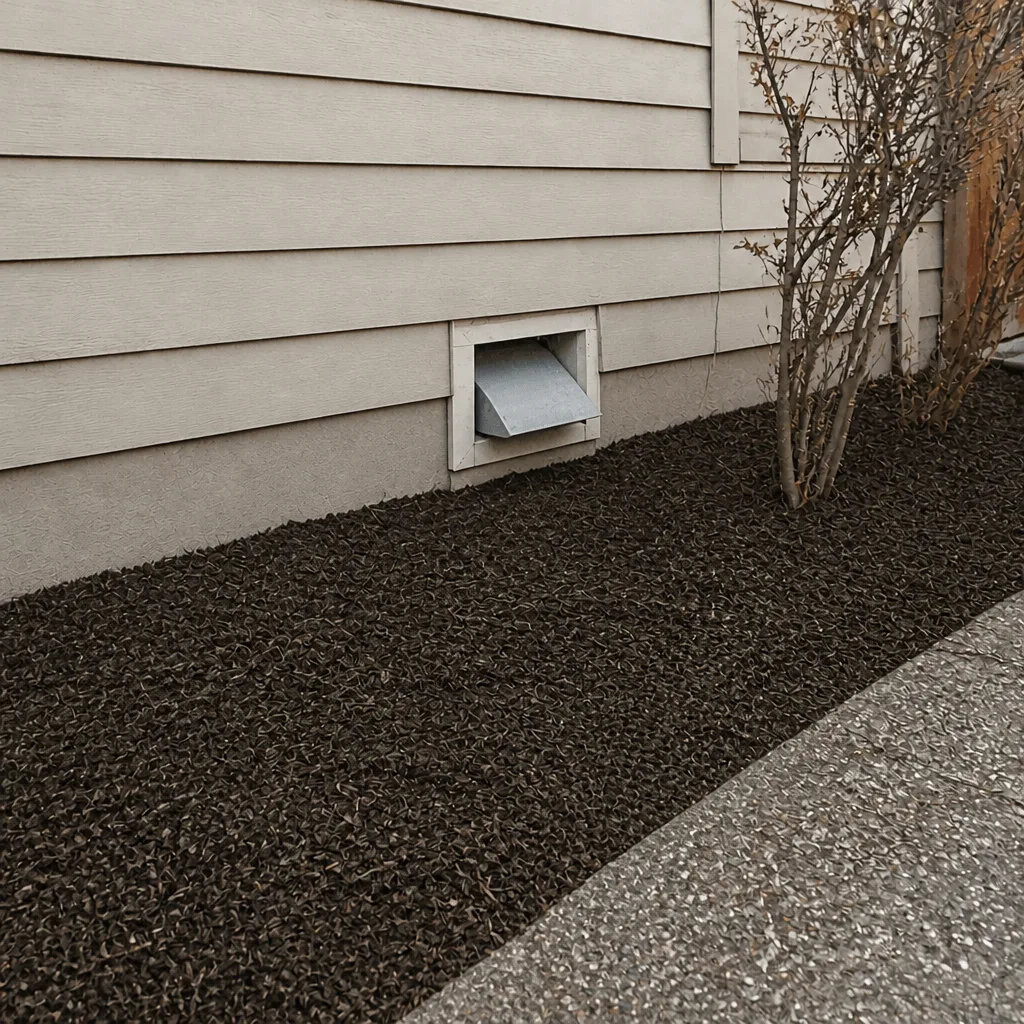 After
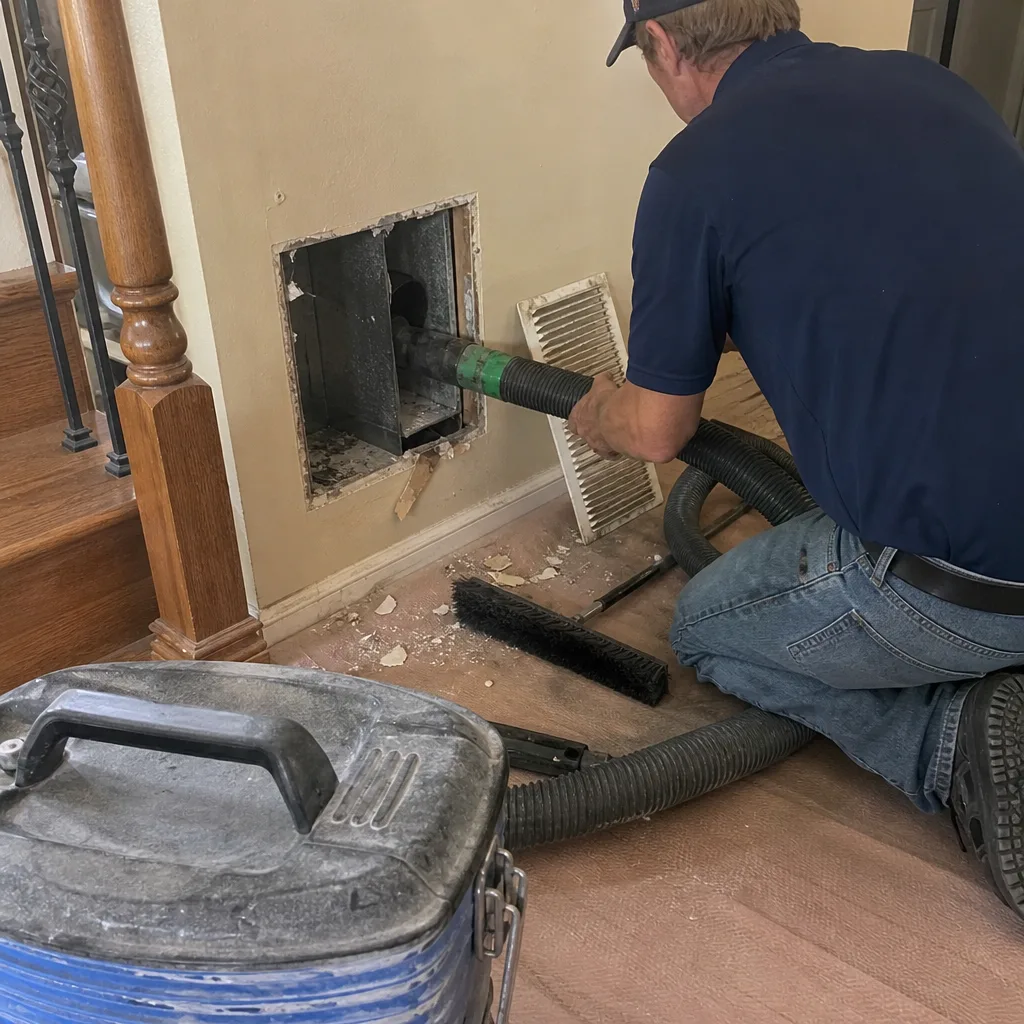 Before
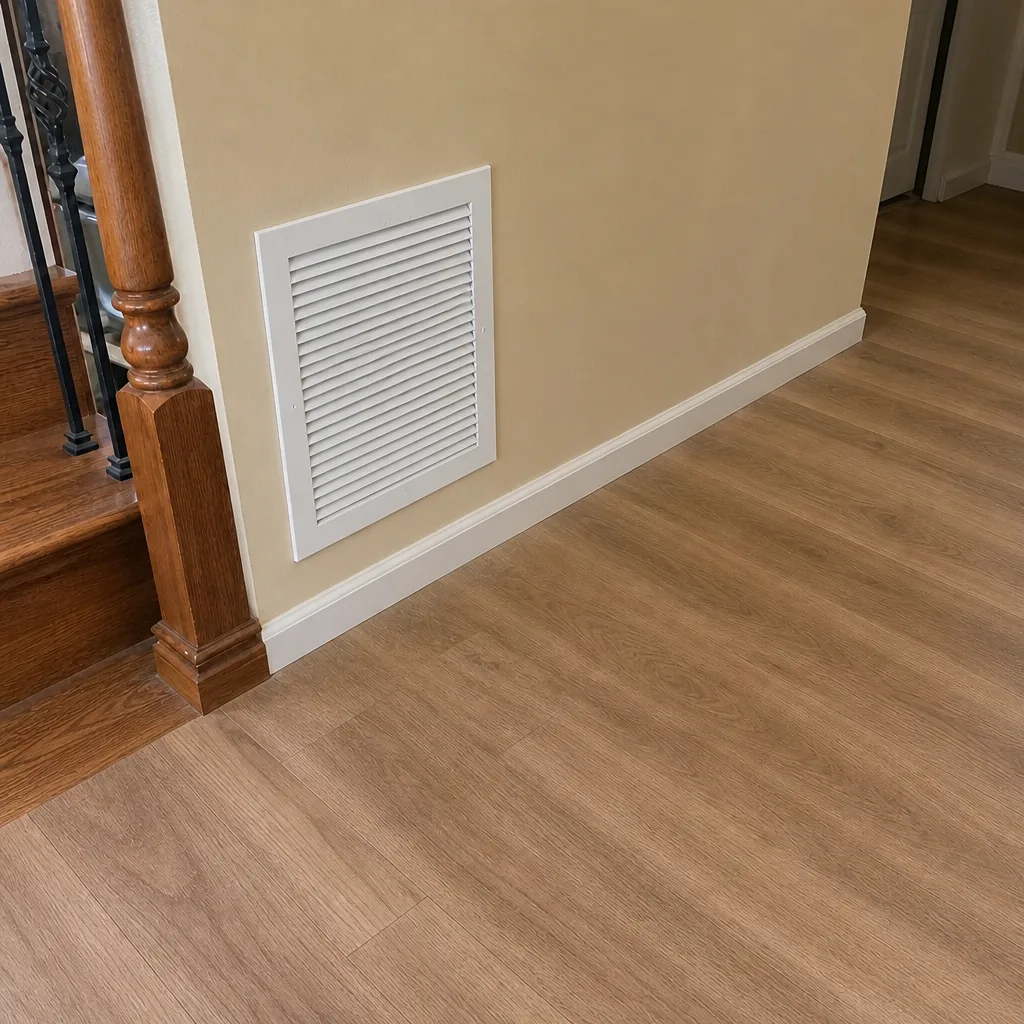 After
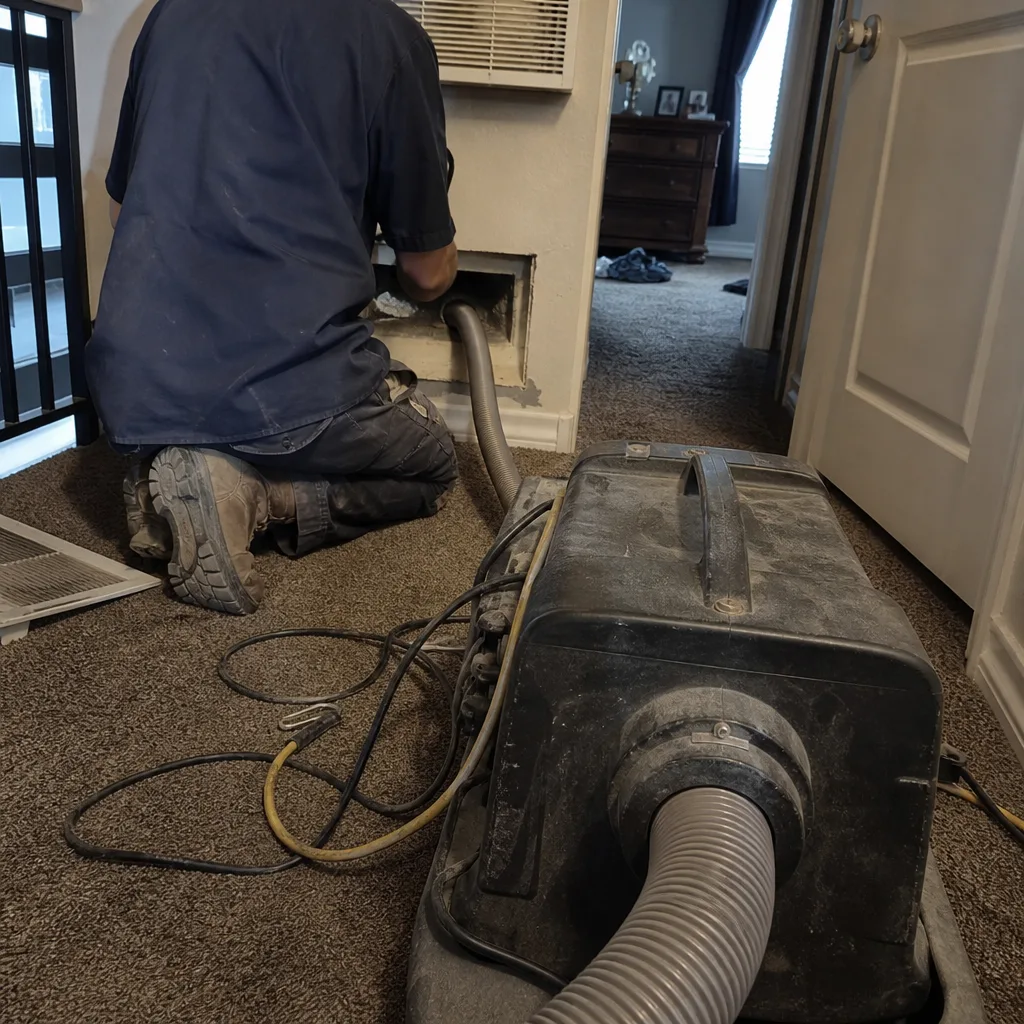 Before
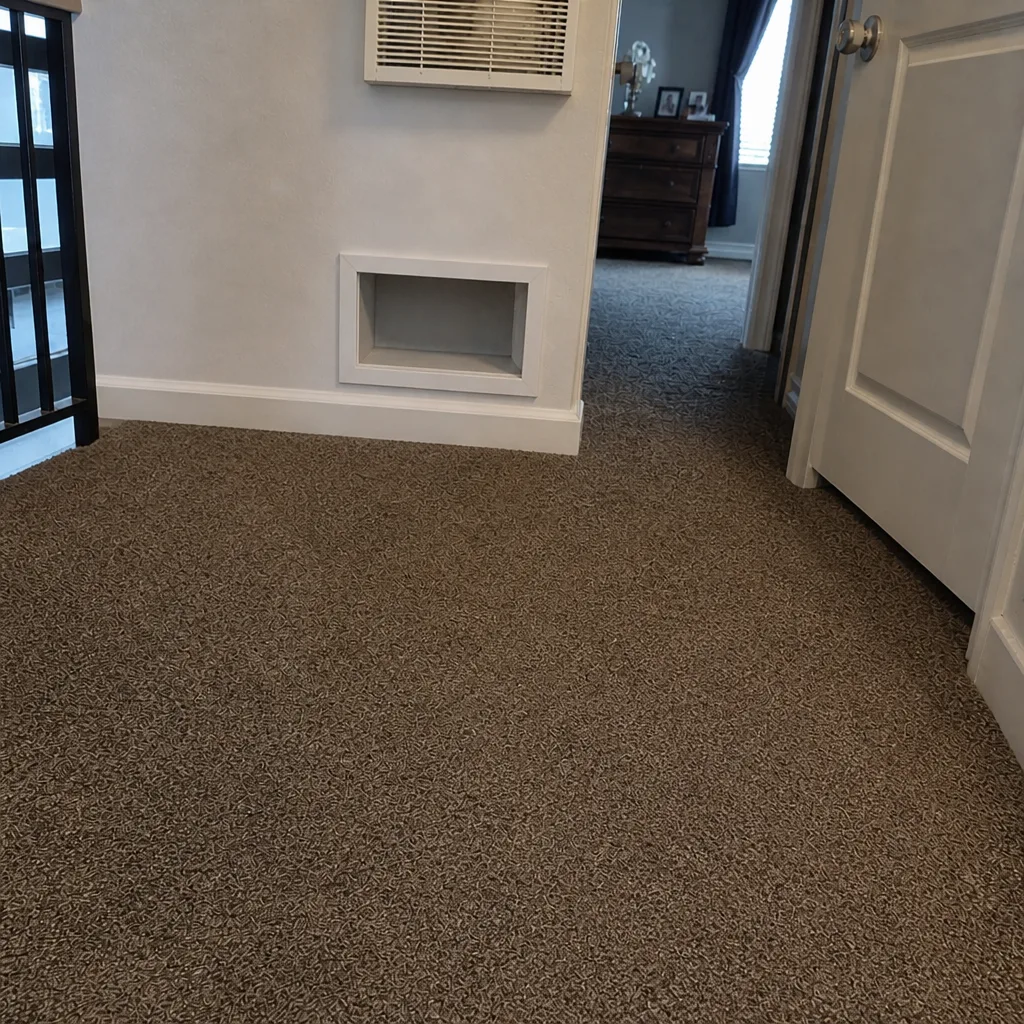 After
When to Call a Professional
Some conditions call for a pro, not a shop vac and a Saturday. If a visible dust plume puffs from the registers when the furnace kicks on, if rooms heat unevenly in a way that points to a leaking duct run, or if dryer loads take noticeably longer than they used to, it’s time to have the system looked at. If anyone in the household deals with asthma or seasonal allergies, a cleaning is worth scheduling before symptoms pile up. And if your system hasn’t been cleaned since before a remodel, construction dust has almost certainly settled in the returns.
Banner Air Duct Cleaning offers free estimates in Salt Lake City. Call (855) 752-4416. We answer 24/7. Fast dispatch from 7am to 7pm, Sunday through Friday.
Frequently Asked Questions
A whole-system cleaning for an average Salt Lake City home runs $350 to $650 in 2026, with larger homes and added dryer vent work pushing the total to $700 to $900. The written estimate sets the final price. Call (855) 752-4416 for an exact quote. Estimates are free.
Cheap quotes cover far less work: usually four to six supply vents, no return system, no main trunk, and no air handler. Ask any low bid which components it includes before comparing it to a whole-system quote. Call (855) 752-4416 to talk through what your system actually needs.
Ask for before-and-after photos of your own ductwork, taken during the visit. That’s a direct record of what changed, and it’s a fair thing to request from any contractor. We photograph the before-and-after conditions as part of the job. Call (855) 752-4416 to schedule.
Most homes do well with a whole-system cleaning every few years, more often after a remodel or when the home has pets or allergy-sensitive occupants. A system that’s never been cleaned needs a deeper first pass. Call (855) 752-4416 to have yours assessed.
Cleaning is enough when the ducts are intact but dirty. Repair is needed when a run is disconnected, crushed, or leaking, which cleaning alone can’t fix. Repair is a separate service we handle so you don’t have to line up a second contractor. Call (855) 752-4416 to have both scoped in one estimate.
Yes, with containment equipment. We deploy Abatement Technologies air scrubbers during service and run HEPA-rated extraction on a Nikro system, so displaced particles are captured rather than recirculated into your living space. Call (855) 752-4416 to ask how that applies to your home.
The Bottom Line
The spread between an $89 coupon and a $600 whole-system job in 2026 reflects genuinely different scopes, not contractor markup. Whole-system cleaning prices supply lines, return system, main trunk, and air handler together, and that’s the only pricing model that compares cleanly between bids. When quotes differ, ask what’s inside each one before deciding. Salt Lake City homes with older mid-century ductwork and multiple returns often need repair scoped alongside the cleaning, and the dryer vent is worth adding to the visit. Understand the line items, ask about equipment, and price the scope. Call (855) 752-4416 for a free estimate. We answer 24/7. Fast dispatch from 7am to 7pm, Sunday through Friday.
Written by the team at Banner Air Duct Cleaning.