
Last updated November 16, 2026
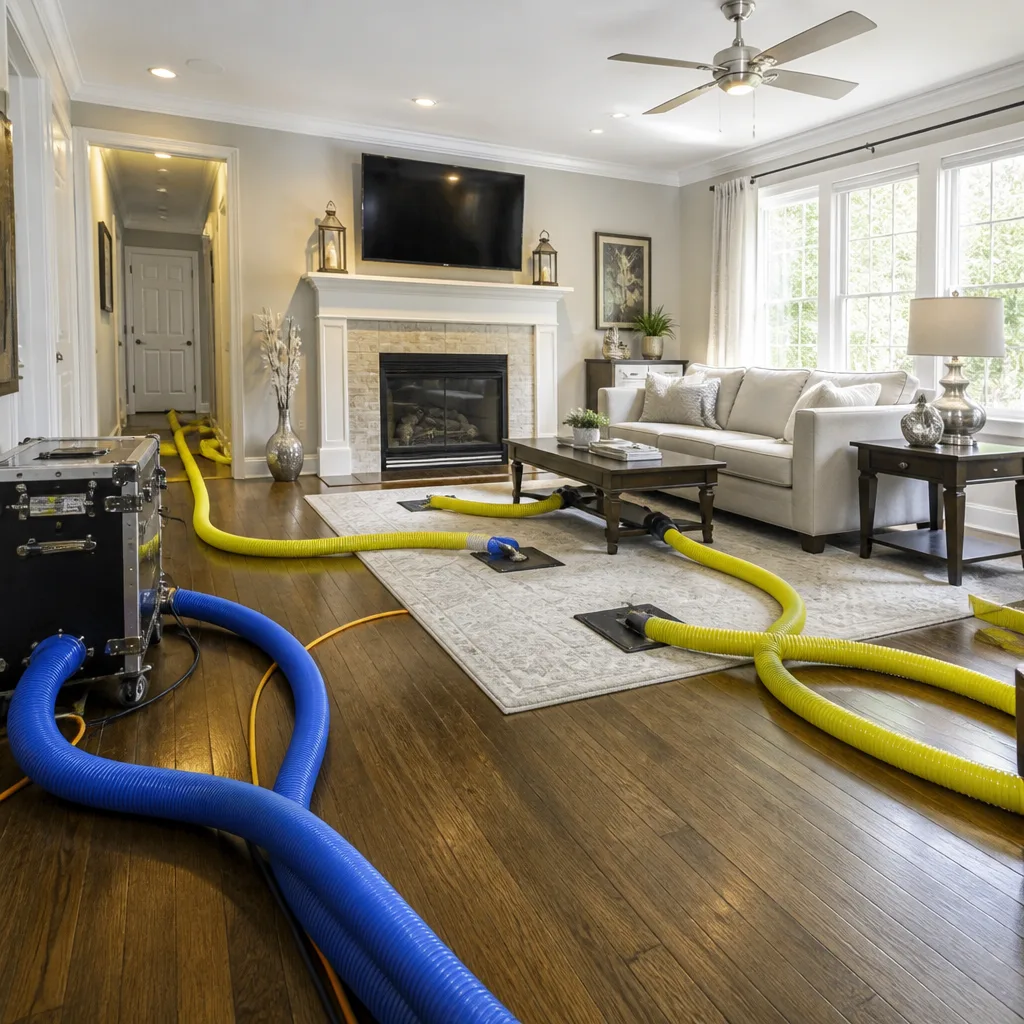 Whole-home duct cleaning
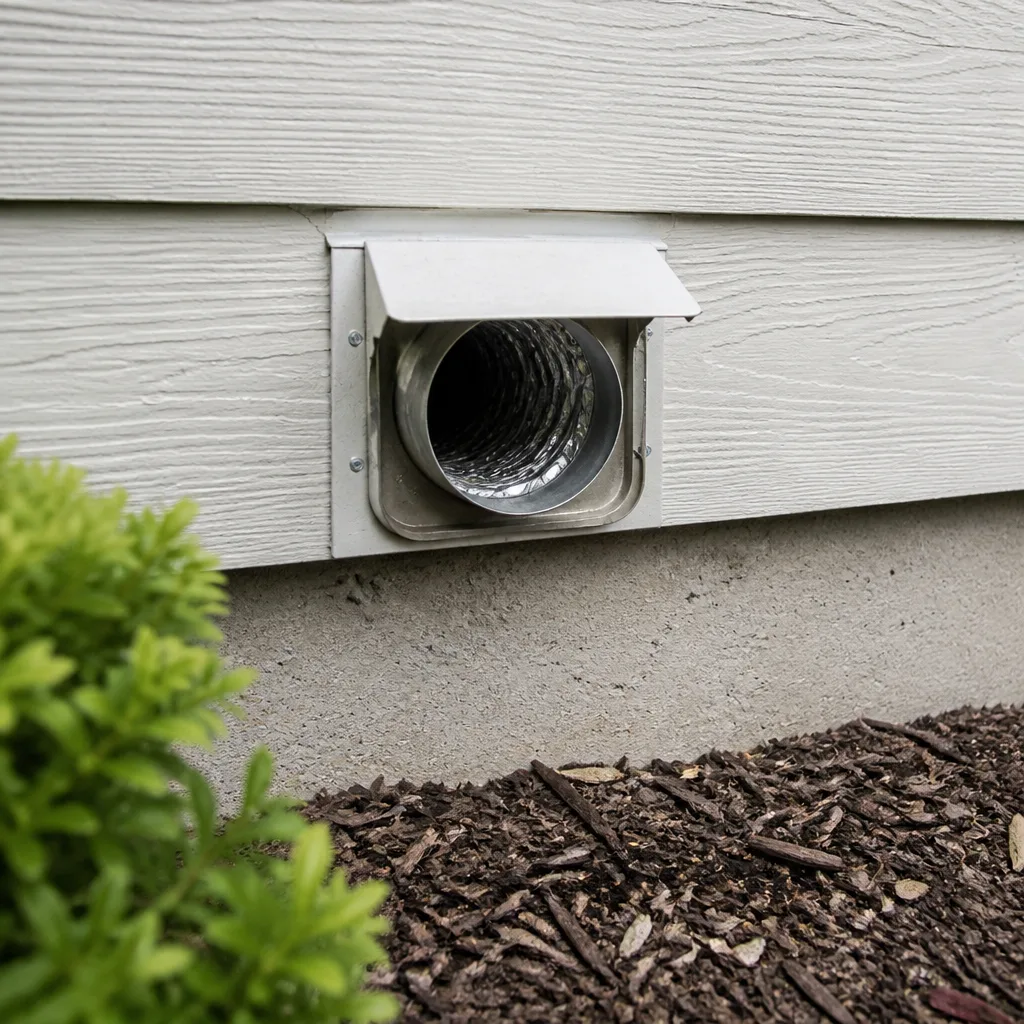 Dryer vent cleaning
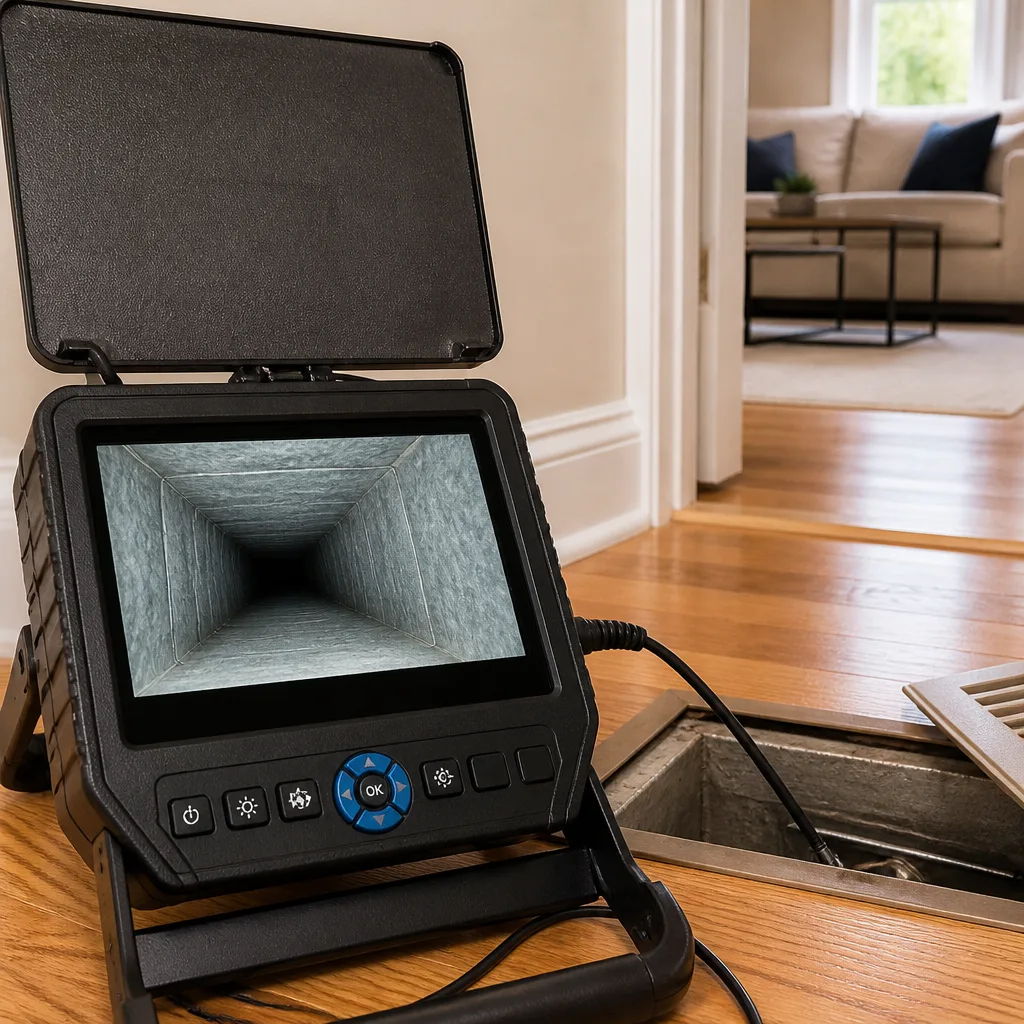 Camera inspection
 Sanitizing & deodorizing
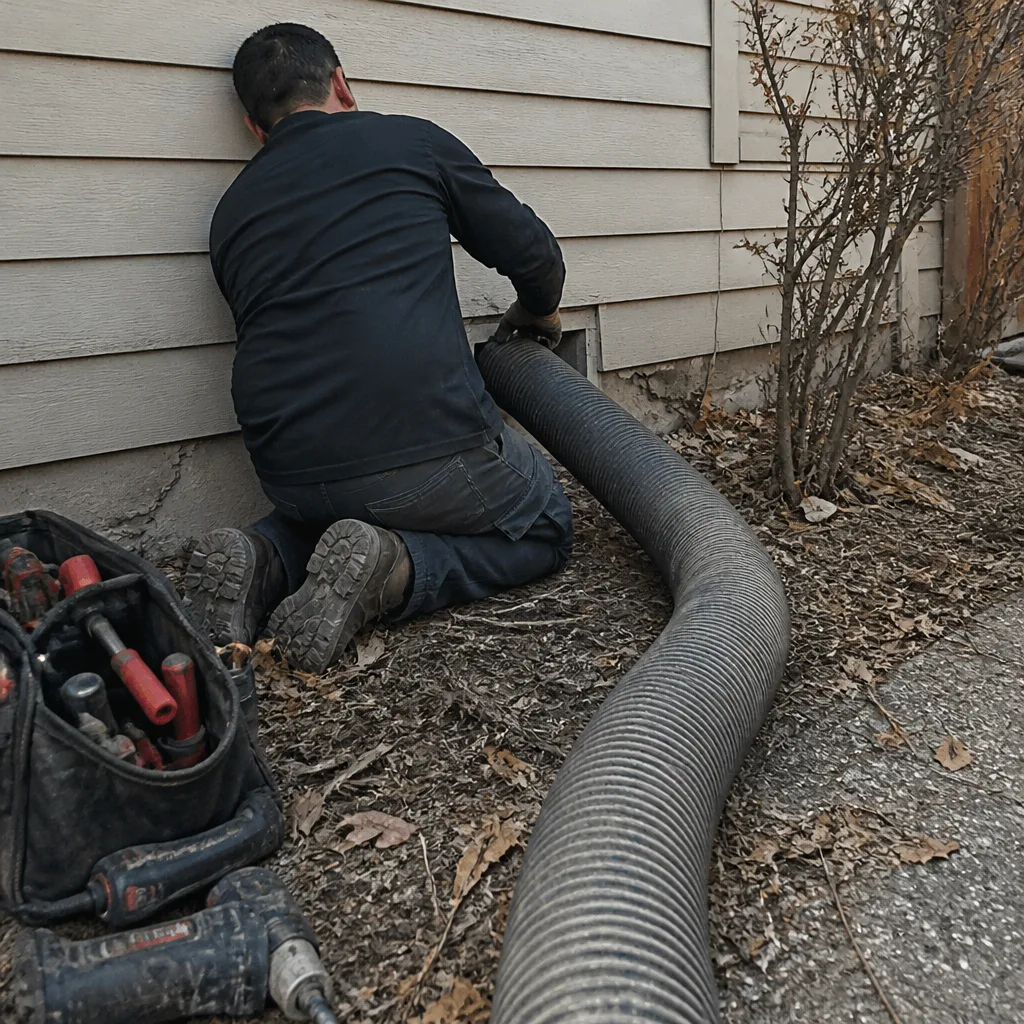
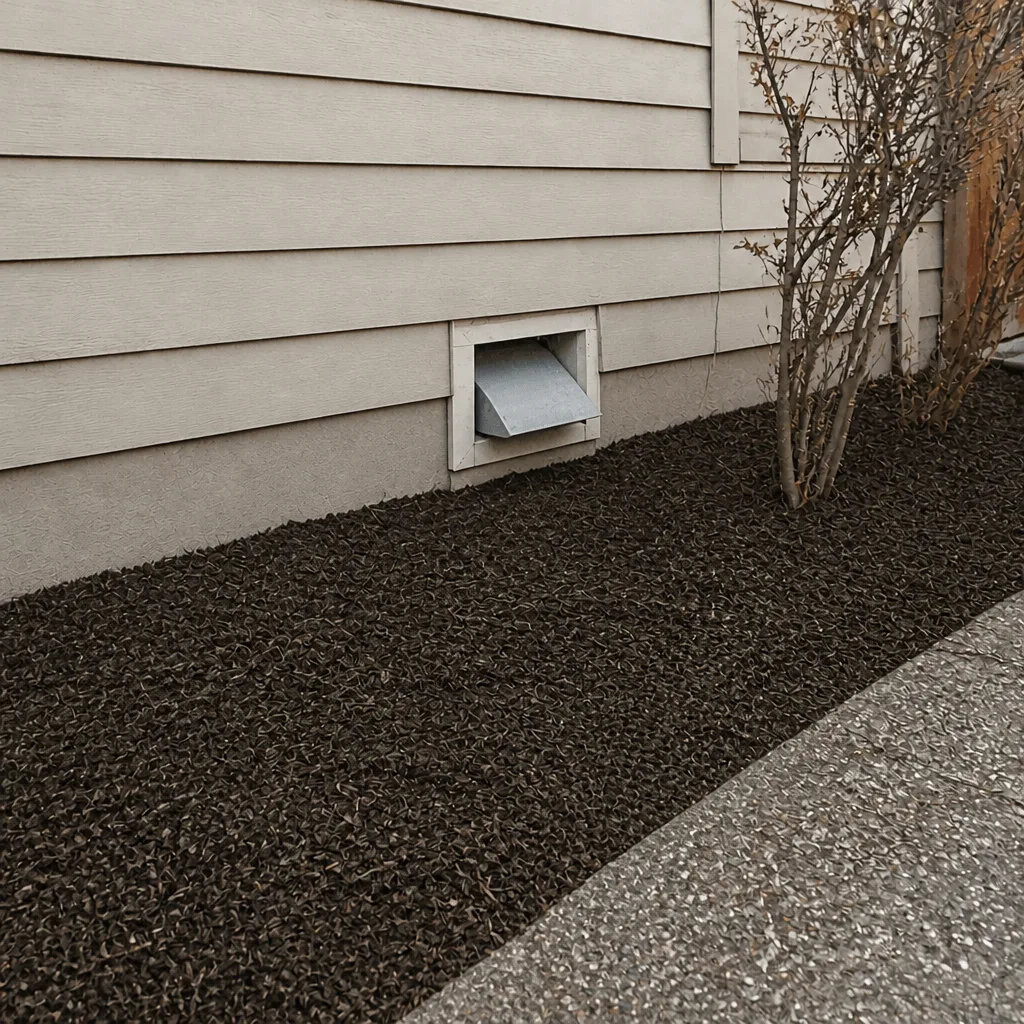
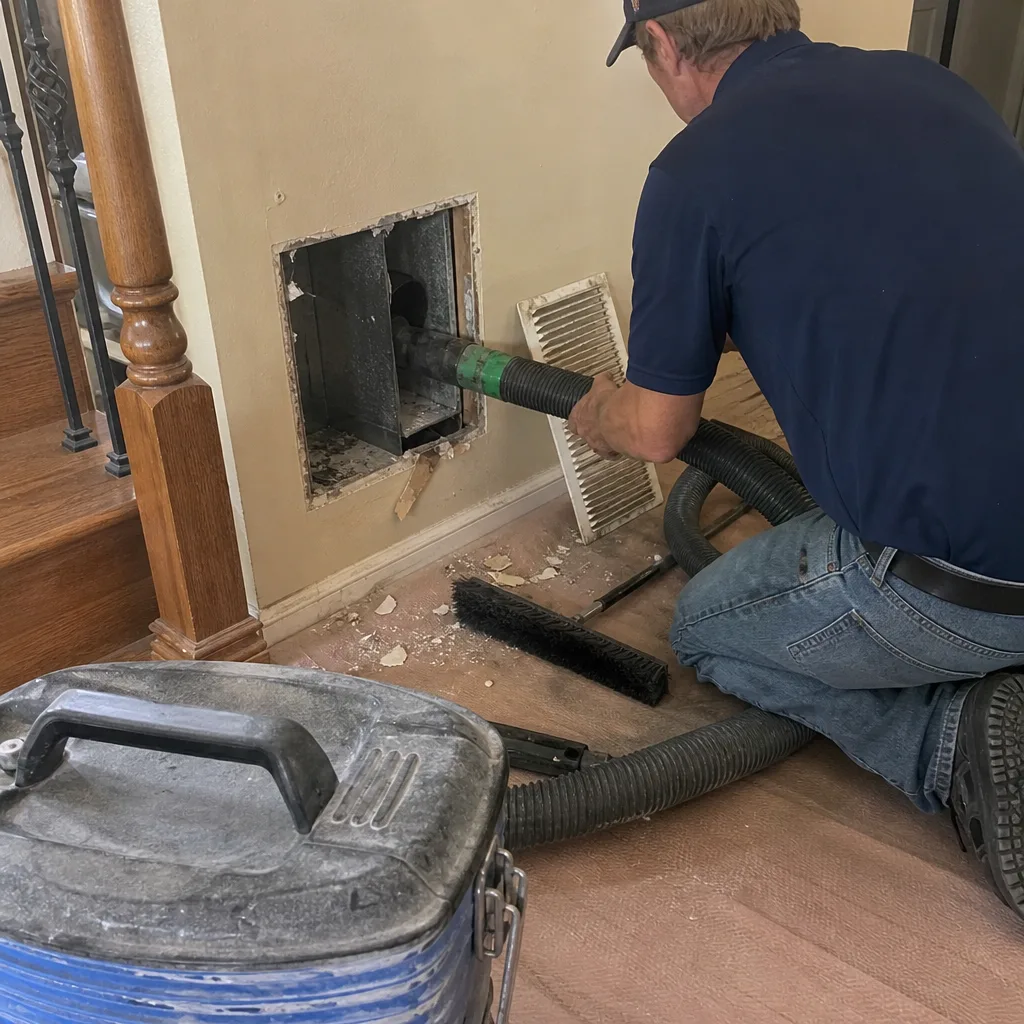
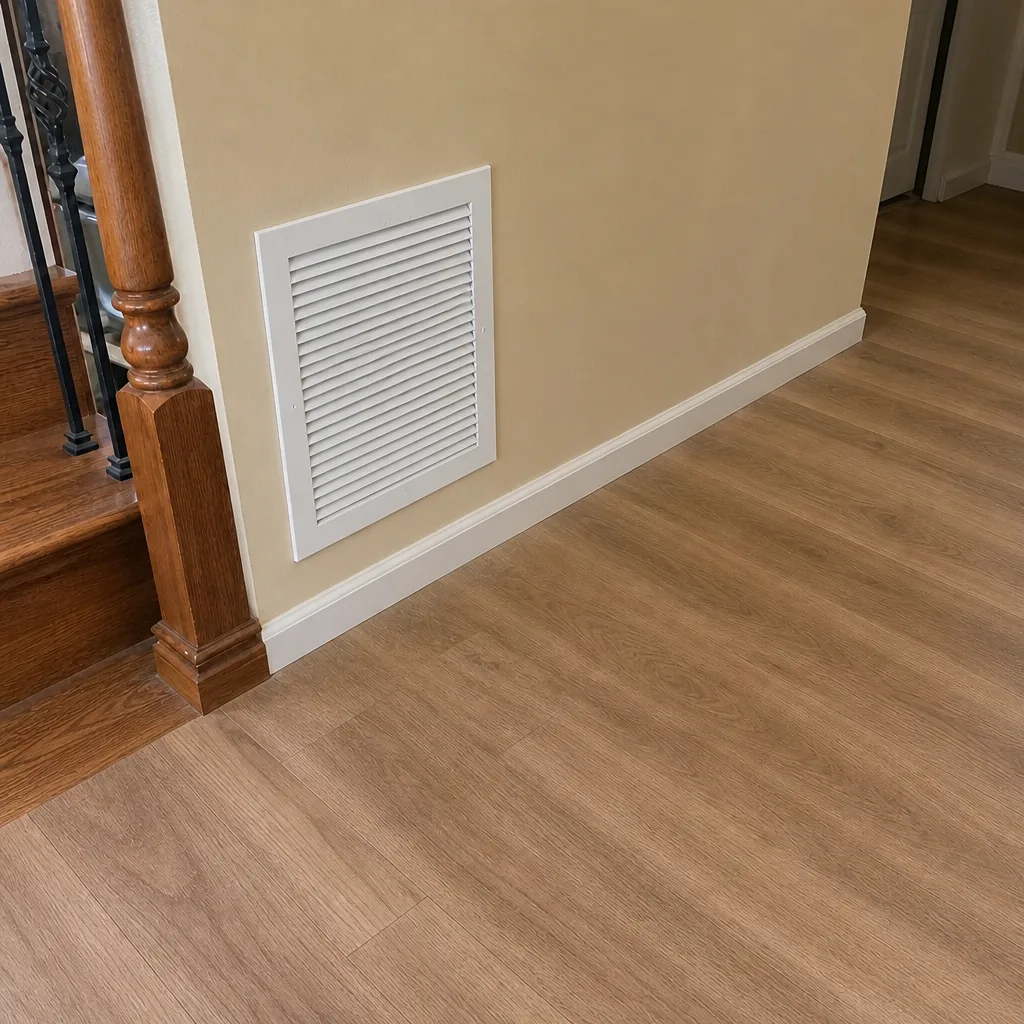
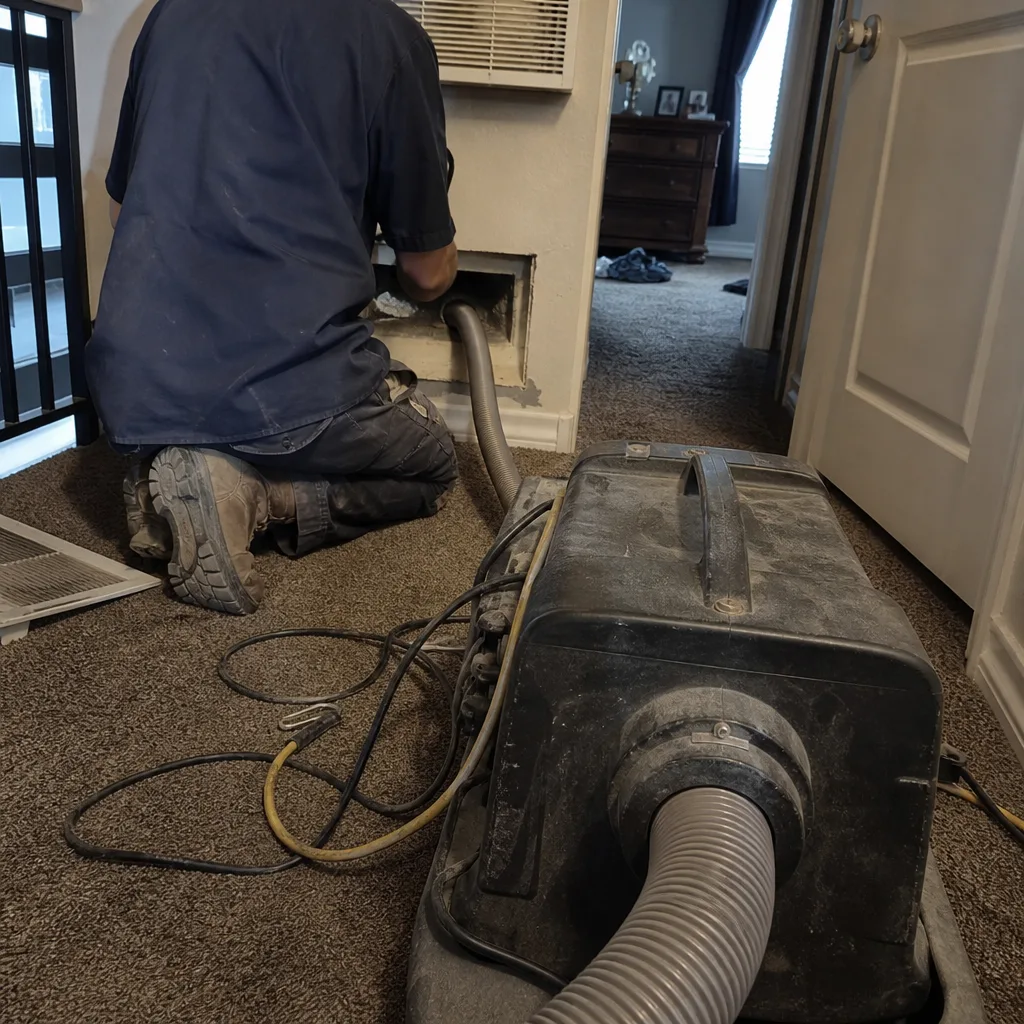
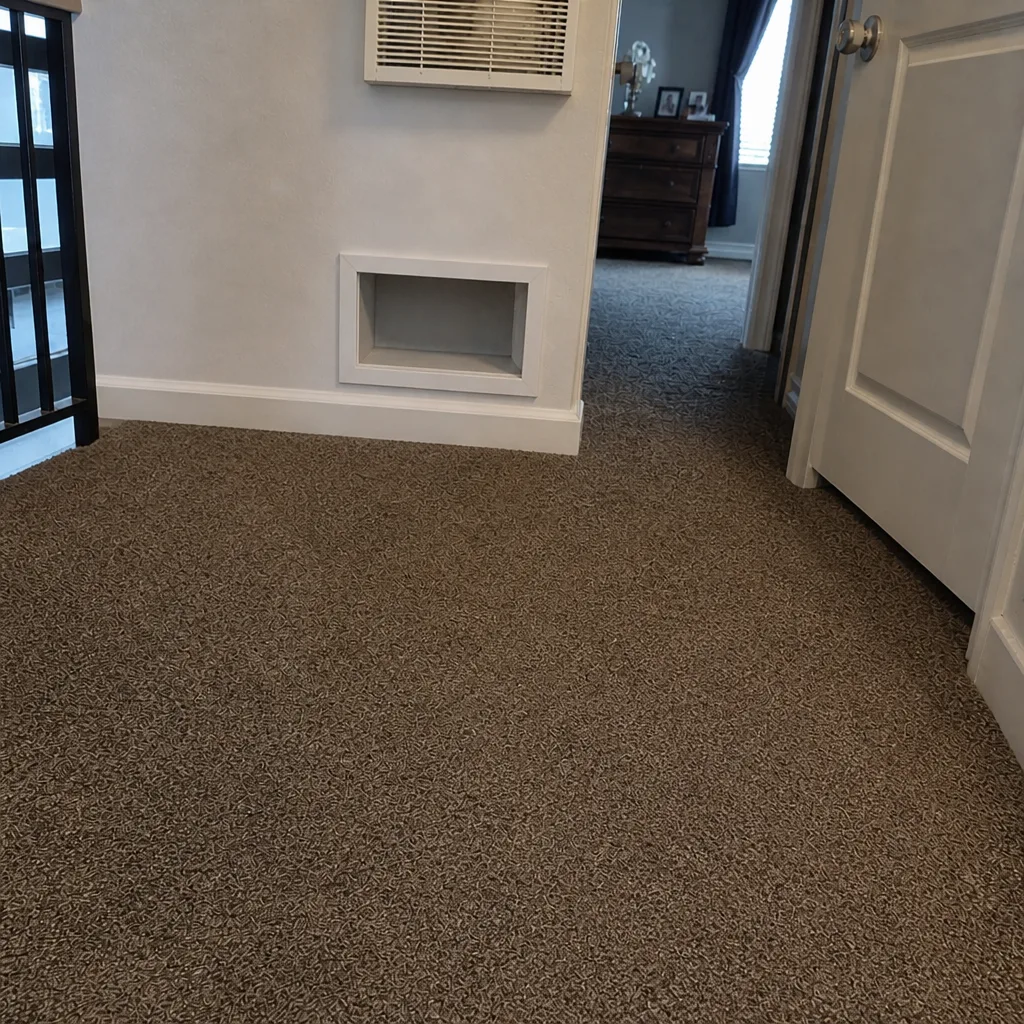
Whole-system duct and dryer vent check with before-and-after photos - you see exactly what came out of your vents
That "$99 whole-house special" is a bait ad - the real number appears once they are in your hallway, or the "clean" is a shop-vac at the register. We photograph the inside of your ducts before and after instead.
DIY vs Professional Air Duct Cleaning: The Salt Lake City Homeowner’s Decision Guide
A shop vac and a $60 dryer-vent brush kit will clean your registers. We’re not going to pretend otherwise. What that setup will not do is reach the main trunk line, agitate debris that’s bonded to the inside of flex duct lining, or reveal a disconnected duct joint buried in the crawlspace. That gap between “surface clean” and “actually clean” is where most Salt Lake City homeowners get a false sense of completion, and it tends to happen in exactly the seasons when valley air and closed-window living make duct cleanliness matter most. This guide breaks down honestly what you can do yourself, where DIY turns into risk, and how to decide whether your Salt Lake City home needs a professional visit now or in twelve months.
Quick Answer
DIY air duct cleaning is genuinely useful for register-level maintenance, dryer vent clearing, and visual inspection with a phone camera, but it cannot replace professional cleaning of the trunk lines and branch runs. Consumer tools lack the rotary agitation and HEPA-rated extraction needed to remove embedded particulate from flex duct lining, so most Salt Lake City homes should pair DIY register upkeep with a professional whole-system cleaning on a set cycle rather than substituting one for the other.
Styles & brands we work with
- Whole-home duct cleaning
- Dryer vent cleaning
- Camera inspection
- Sanitizing & deodorizing
Table of Contents
- What DIY Duct Cleaning Can Actually Accomplish
- Where DIY Falls Short (and Where It Gets Risky)
- What Professional Contact Cleaning Does That Suction Alone Can’t
- A Decision Framework for Salt Lake City Homes
- Salt Lake City Seasonal Factors That Change the Math
- When the Problem Isn’t Dirt (It’s Duct Damage)
- The Dryer Vent: A Different Job With Different Stakes
- Building a Realistic DIY + Professional Maintenance Routine
What DIY Duct Cleaning Can Actually Accomplish
Let’s give consumer tools the credit they’re due. If you own a shop vac with a decent hose, a brush attachment, and a phone with a camera, you can do real, measurable work on the parts of your system you can actually reach. The mistake is assuming that’s the whole system.
Here’s what a homeowner can genuinely accomplish without specialty equipment:
- Register and grille cleaning. Pulling the supply and return grilles and wiping them down, then vacuuming the first few inches of the visible duct boot, removes a real layer of dust that would otherwise blow back into the room. This is worth doing every few months.
- Dryer vent clearing. A flexible brush kit and a shop vac can pull lint from a short, straight dryer vent run. If your dryer vent goes straight out through an exterior wall a few feet from the appliance, this is genuinely a homeowner task.
- Visual inspection with a phone scope. A $30 USB or Wi-Fi borescope camera can be fed a couple feet into a register boot or through an access hole to see whether the duct interior is coated in dust, whether joints look sealed, and whether there’s visible debris. This is diagnostic gold. It tells you whether you need a professional, and it’s the single best $30 a homeowner can spend before booking anyone.
- Filter changes and return-side upkeep. The most impactful thing most homeowners can do for duct cleanliness is simply staying on top of the air filter. A clogged filter strains the blower and lets more particulate settle into the system.
In our experience across Salt Lake City homes, the register-and-filter routine is what keeps a system from degrading quickly between professional cleanings. It’s maintenance, though, not a substitute for the cleaning itself.
Where DIY Falls Short (and Where It Gets Risky)
Some DIY duct work is simply ineffective. Some of it is actually risky. It’s worth separating the two, because they get lumped together and the second category tends to get ignored.
Ineffective DIY (Wasted Effort)
- Main trunk line cleaning. The trunk is where the bulk of settled debris accumulates, and it’s usually behind a wall, in a crawlspace, or above a ceiling. A shop vac hose can’t reach it, and even if it could, suction alone doesn’t agitate the dust that has bonded to the sheet metal or flex liner.
- Branch run agitation. Dust in a flex duct liner doesn’t sit loosely on the bottom. It clings to the ridges and the fabric itself. Without a rotary brush spinning inside the run, a vacuum pulls the loose dust and leaves the rest.
- Deep access panels and plenum cleaning. The supply and return plenums at the air handler collect significant debris, and accessing them requires cutting and properly resealing panels. That’s not a shop vac job.
Risky DIY (Where You Can Cause Real Problems)
- Cleaning near the air handler. The air handler and blower assembly are delicate. Reaching around inside the unit with a brush can bend blower fins, damage the heat exchanger on the furnace side, or knock a sensor loose. Furnace and electrical components are not a homeowner workspace.
- Disconnecting duct joints without resealing. If you pull a duct joint apart to clean behind it, you need to reseal it properly with foil tape or mastic. An improperly resealed joint leaks conditioned air into a crawlspace or attic. That’s worse than the dust you removed.
- Disturbing older duct insulation. Homes built in the mid-20th century may have duct wrap or lining that has aged poorly, and in some cases that material can shed fibers when disturbed. If your inspection reveals damaged or degraded duct insulation, stop and get it assessed rather than brushing through it.
The first category wastes your afternoon. The second category can cost you a furnace repair or an air-quality problem. That’s the real dividing line.
What Professional Contact Cleaning Does That Suction Alone Can’t
The single biggest misconception about duct cleaning is that it’s a vacuum job. It isn’t. Professional cleaning is a two-part process: mechanical agitation to break debris loose from surfaces, followed by high-volume extraction to pull it out of the system. Consumer tools can do the extraction part partially. They can’t do the agitation part.
Here’s how a proper contact-cleaning system works:
- Containment. Before anything is dislodged, the work area is contained. We deploy Abatement Technologies air scrubbers during service so that the dust we’re about to lift doesn’t end up redistributed through the home.
- Mechanical agitation. A rotary brush system, like the Rotobrush equipment we run, is fed through each branch run. The spinning brush scrubs the interior surface of the duct, including flex liner ridges where dust bonds, and pushes the loosened debris toward the extraction point.
- HEPA-rated extraction. A Nikro HEPA-rated extraction unit creates the negative pressure that pulls debris out of the system. HEPA-rated means it captures particles down to 0.3 microns, so what comes out of your ducts goes into the machine instead of back into your room.
- Component cleaning. Registers, grilles, plenums, and the accessible areas around the air handler are cleaned by hand as part of the visit.
- Verification. A proper job includes before-and-after documentation. Photos of your own ducts are the simplest way to confirm the work actually happened.
That sequence, containment, agitation, extraction, verification, is the part no consumer setup can replicate. You can approximate step four with a shop vac and step five with a phone camera. Steps one through three are the reason a professional call exists at all.
A Decision Framework for Salt Lake City Homes
The honest answer to “do I need professional duct cleaning right now?” depends less on how your ducts look and more on five concrete inputs. Run through them in order.
1. Home Age
Older Salt Lake City homes, the kind common in the Avenues, Sugar House, and Rose Park, often have duct systems that have been modified, extended, or partially replaced over the decades. Older systems tend to have more joints, more opportunities for disconnection, and insulation that may be aging. If your home is pre-1980 and you’ve never had the ducts professionally cleaned, that’s a stronger case for booking a visit than the same question in a newly built home.
2. Last Professional Cleaning
If you’ve never had a professional cleaning, or it’s been more than five to seven years, that alone justifies a visit. If you had one within the last two years and the technician documented the work, you’re probably fine deferring.
3. Pets, Smokers, or Recent Renovation
Each of these generates particulate that gets pulled into the return system and settles in the ducts. A home with two dogs will build up debris faster than a home with none. A renovation, even a modest one, generates fine drywall dust that migrates everywhere. If you’ve had significant renovation in the past year, book the cleaning after the dust settles rather than before.
4. Visible Symptoms
Watch for these signs that the system has more than surface dust:
- Visible dust blowing from registers shortly after cleaning them
- Musty or stale smell when the system first kicks on
- Uneven airflow room to room
- Unexplained increases in dust on horizontal surfaces
- Visible debris inside a register boot during a phone-scope inspection
Any of these tips the scale toward a professional visit. None of them is something a shop vac can diagnose, let alone fix.
5. Salt Lake City Seasonal Timing
Late fall, before the heating season kicks into full swing, and early spring, before the cooling season, are the natural bid windows. If you’re already past both and the system has been running hard, it’s not too late, but the next window is the one to plan for.
Salt Lake City Seasonal Factors That Change the Math
Duct cleanliness isn’t an abstract concern in Salt Lake City. The valley’s air quality during inversion events means that in winter, the outdoor air is often worse than the air circulating inside, and homes stay buttoned up for weeks at a time. That means whatever is in your ducts is what’s circulating in your house, because there’s no meaningful fresh-air exchange happening through open windows.
In summer, the pattern flips. Windows open, doors open, and a significant volume of valley dust enters the return system. The same outdoor air quality that tops the national news in inversion season is also depositing fine particulate on every horizontal surface in your home, and some of that ends up in the duct system before it’s ever settled.
This is where the air duct cleaning cycle matters more than raw numbers. The point isn’t that Salt Lake City homes need more cleaning than homes elsewhere. It’s that the seasonal pattern is distinctive: winter confinement and summer dust load combine to push more particulate into the system per year than a homeowner in a milder, more open climate would experience. A duct cleaning scheduled right before the heating season captures both the summer dust load and pre-empts the winter confinement period.
None of that should tip a homeowner into a twice-a-year cleaning habit. Professional duct cleaning every three to five years, with DIY register upkeep between visits, is the pattern that fits the Salt Lake City climate honestly.
When the Problem Isn’t Dirt (It’s Duct Damage)
One of the most common surprises during a duct cleaning visit is that what the homeowner thought was a dust problem turns out to be a damage problem. Cleaning alone can’t fix damage, and damage that goes unaddressed undermines everything you spend on cleaning.
The problems that turn up most often in Salt Lake City homes:
- Disconnected flex duct joints. Flex duct is often connected to fittings with zip ties and tape. Over time, tape fails. When a joint separates, the system is blowing conditioned air into a crawlspace or attic instead of into the room it was meant for.
- Crushed or kinked duct runs. Flex runs that have been stepped on in the attic or pinched in a crawlspace restrict airflow. This tends to show up as a single weak register, or a room that never quite stays comfortable.
- Loose sheet metal joints. Older rigid ductwork can develop loose joints that leak air at the seams. These leaks can be significant and are one reason a home’s utility bill can drift upward without any obvious cause.
- Torn duct lining. The interior lining of some duct systems can tear or degrade, which affects both airflow and air quality. This is not a cleaning repair; the damaged section needs to be replaced.
Whether or not a repair is needed, the visit is the only reliable way to find these. A phone borescope can catch some of them if you know what you’re looking at. A technician with the panels open and the right tools is more reliable. If repair is needed, a company that offers air duct repair as a standalone service saves you the separate HVAC contractor appointment, which typically means one visit instead of two.
During the visit, we also look for compatibility of any existing whole-home air-quality equipment. If you have a Honeywell or Aprilaire filtration or humidification system in place, the cleaning needs to work around that equipment without disturbing it. We’re trained on both, so we can clean the ducts and advise on the equipment without voiding manufacturer expectations.
The Dryer Vent: A Different Job With Different Stakes
Air duct cleaning and dryer vent cleaning get lumped together because they share a name. They’re different jobs, with different tools and very different stakes. The dryer vent is a documented leading cause of residential fires, so it deserves to be treated as a safety appointment rather than a maintenance appointment.
What that means in practice:
- A short, straight vent run out a wall to the exterior is genuinely a homeowner-maintainable job. A brush kit and a shop vac, run through the vent at least once a year, removes lint effectively.
- A long, elbow-heavy vent run that snakes through a basement, up a wall, and out a roof is not a homeowner job. Lint compacts in the elbows and in the transition points, and a brush kit that gets stuck partway makes the problem worse.
- Any vent that’s fouled with lint beyond a routine touch should be assessed professionally. The fire risk from a heavily congested dryer vent is real, and it’s not the kind of risk you want to gamble on a shop vac for.
Because the stakes are different, our dryer vent service goes through the full run, not just the accessible sections. Lint buildup that reduces dryer efficiency and creates a fire risk is usually in the parts you can’t see from either end of the vent.
Building a Realistic DIY + Professional Maintenance Routine
The most useful thing a homeowner can do with everything above is turn it into a routine that splits the work sensibly. DIY handles the parts it’s genuinely good at. A professional visit handles the parts that actually require professional equipment.
Here’s a workable annual pattern for a Salt Lake City home:
- Quarterly: register and grille cleaning. Pull each supply and return grille, vacuum it, and wipe down the first few inches of the visible duct boot. This is a 20-minute job per floor.
- Quarterly: filter check. Check the air filter every three months, change as needed, and at minimum change it before the heating season and before the cooling season.
- Annually: dryer vent clearing. Confirm the vent is clear from the dryer through to the exterior termination. If the run is complex or if you haven’t done it in more than a year, book a professional dryer vent cleaning.
- Every 12 to 24 months: phone-scope inspection. Feed a borescope into a few registers, take a look, and note what you see. This is the input that tells you whether the next step is due.
- Every 3 to 5 years (or as inspection indicates): professional whole-system cleaning. Book a full contact cleaning with a company that uses mechanical agitation and HEPA-rated extraction, documents the work with before-and-after photos, and can spot repair issues during the same visit.
That pattern respects what DIY can do and doesn’t pretend it can do more. It’s the maintenance cycle that fits how much Salt Lake City’s seasonal dust and winter confinement actually load a residential duct system, without over-cleaning or under-cleaning it.
Common Mistakes to Avoid
- Mistaking visible register cleaning for system cleaning. Cleaning the grilles is worth doing, but it’s not the same job as cleaning the ducts. Treating it as equivalent causes homeowners to skip the professional cycle for years.
- Using a shop vac on the main plenum. The plenum and the area immediately around the air handler are the parts of the system that are both the dirtiest and the most sensitive. Reaching into them with a shop vac can bend the blower or damage components, and it’s not a homeowner job.
- Ignoring the crawlspace. In many Salt Lake City homes, the crawlspace is where duct runs live and where disconnections and crushed flex duct hide. A duct cleaning that doesn’t physically access the crawlspace misses the most likely point of failure.
- Accepting a low quote without asking about equipment. A low quote usually corresponds to a shop vac rather than a rotary brush system. The equipment difference is the entire reason professional cleaning costs what it costs, and it’s the first question worth asking.
- Skipping the dryer vent because the ducts were cleaned. Dryer vent cleaning is a separate service with separate fire-risk implications. If a cleaner quotes duct cleaning and doesn’t mention the dryer vent, that’s a gap rather than a saving.
- Booking a cleaning when the real problem is a repair. If a duct is disconnected or crushed, cleaning alone won’t restore airflow. Ask upfront whether the technician can spot and correct duct damage during the same visit.
- Never inspecting, ever. A phone-scope inspection costs next to nothing and gives you the actual information you need to decide whether to book, defer, or wait for the seasonal window. Skipping the inspection means the decision gets made on gut feel.
See the difference
 Before
 After
 Before
 After
 Before
 After
When to Call a Professional
Call for a professional visit if any of these apply: the home has never had a professional duct cleaning, or it’s been more than five years since the last one; the duct system shows visible symptom signs, like dust blowing out of registers shortly after cleaning or a musty smell on startup; a recent renovation has pushed drywall dust into the system; the dryer vent run is long, elbow-heavy, or hasn’t been cleared in over a year; or a phone-scope inspection shows significant debris or a damaged duct section. Also call if you suspect a disconnect or crushed run, because that’s a repair issue rather than a cleaning one. Banner Air Duct Cleaning offers free estimates in Salt Lake City. Call (855) 752-4416. We answer 24/7. Fast dispatch from 7am to 7pm, Sunday through Friday. Our technicians have up to 11 years of experience, and we work with restoration-grade equipment including Rotobrush and Nikro systems, so you know exactly what’s coming to your house before anyone knocks on the door.
Frequently Asked Questions
Most Salt Lake City homes need a professional whole-system cleaning every three to five years, not annually. The winter inversion season and summer dust load do push more particulate into the system than in milder climates, but that shifts when the visit should happen more than how often. If a home has pets, smokers, or has had a major renovation, the high end of that range should be treated as the schedule rather than the exception. For an exact quote on your specific system, call (855) 752-4416. Estimates are free.
Pricing varies by the size of the system, the number of runs, and whether repair work is needed, which is why we set a flat price per system agreed in writing before any work starts. Per-vent pricing is what drives the bait-and-switch reputation this industry has, and we don’t do it. Call (855) 752-4416 for an exact quote. Estimates are free.
Cheap quotes usually correspond to a shop vac or a consumer-grade extractor, no rotary brush agitation, and no containment during the job. Those tools can pull surface dust, but they can’t agitate debris bonded to flex duct lining, and without containment they can redistribute dust into the home rather than removing it. The equipment difference is the entire reason professional cleaning exists as a category. Call (855) 752-4416 to schedule a free estimate and see what the difference looks like in practice.
Before-and-after photos of your own ducts are the simplest evidence, and a company that documents the work should provide them without being asked. The other confirmation is whether the visit included mechanical agitation and HEPA-rated extraction, both of which leave visible signs. Call (855) 752-4416 with questions about what a visit includes. Estimates are free.
Yes, and we’d encourage it. A $30 USB or Wi-Fi borescope can be fed into a register boot to give you a look at the interior duct condition, and it’s the single most useful information you can gather before deciding whether to book a professional visit. If the interior looks coated, or if you can see a disconnected joint, that’s your answer. If it looks clean and you had a professional cleaning within the last couple of years, you can defer. Call (855) 752-4416 if you’d like to talk through what your inspection shows. Estimates are free.
They’re separate services, and the difference is not just scope. Air duct cleaning targets the HVAC duct system for dust and particulate; the stakes are comfort and air quality. Dryer vent cleaning targets the vent run from dryer to exterior and the stakes are fire risk, since lint buildup in a dryer vent is a documented leading cause of residential fires. Salt Lake City homes usually need both, but on different schedules. Call (855) 752-4416 to schedule either. Estimates are free.
The Bottom Line
DIY duct cleaning is genuinely useful for register upkeep, filter changes, visual inspection, and short dryer vent runs. It creates a false sense of completion when it’s treated as a substitute for professional whole-system cleaning, because consumer tools don’t agitate bonded debris from flex duct lining or extract with HEPA-rated filtration. The pattern that fits Salt Lake City homes is DIY between visits and professional cleaning on a realistic three-to-five-year cycle, timed to the seasonal dust and winter confinement windows. On top of that, book a dryer vent cleaning on its own schedule, because that one is a fire-safety appointment. For a free estimate from Banner Air Duct Cleaning, call (855) 752-4416. We answer 24/7. Fast dispatch from 7am to 7pm, Sunday through Friday.
Written by the team at Banner Air Duct Cleaning.