
Last updated November 16, 2026
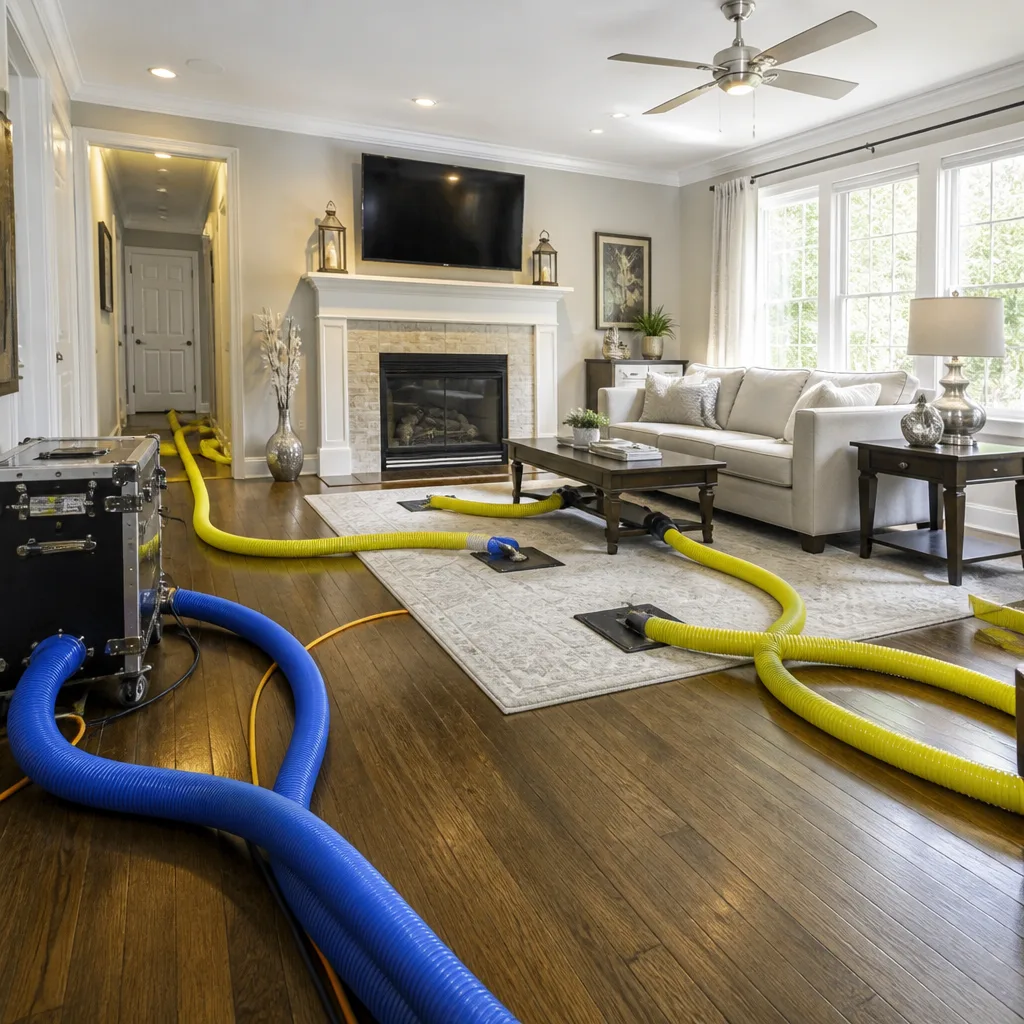 Whole-home duct cleaning
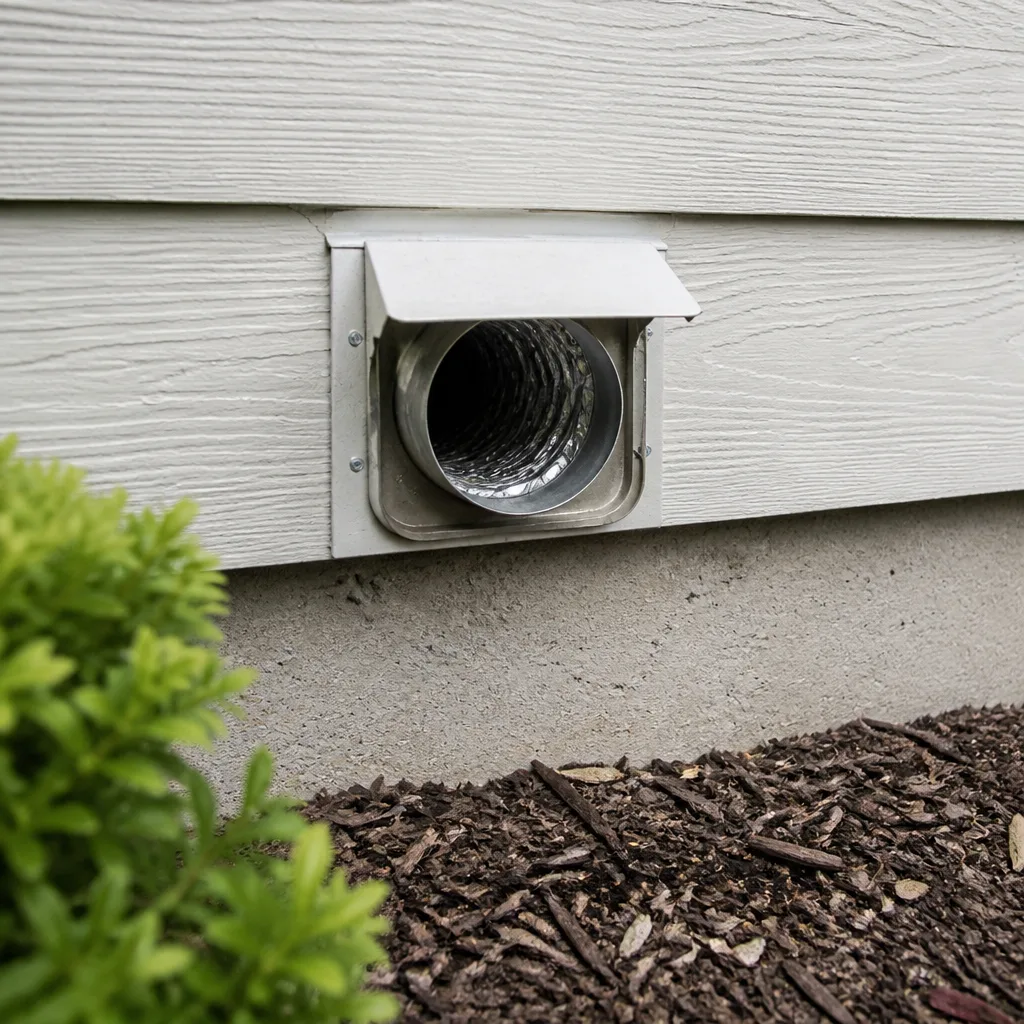 Dryer vent cleaning
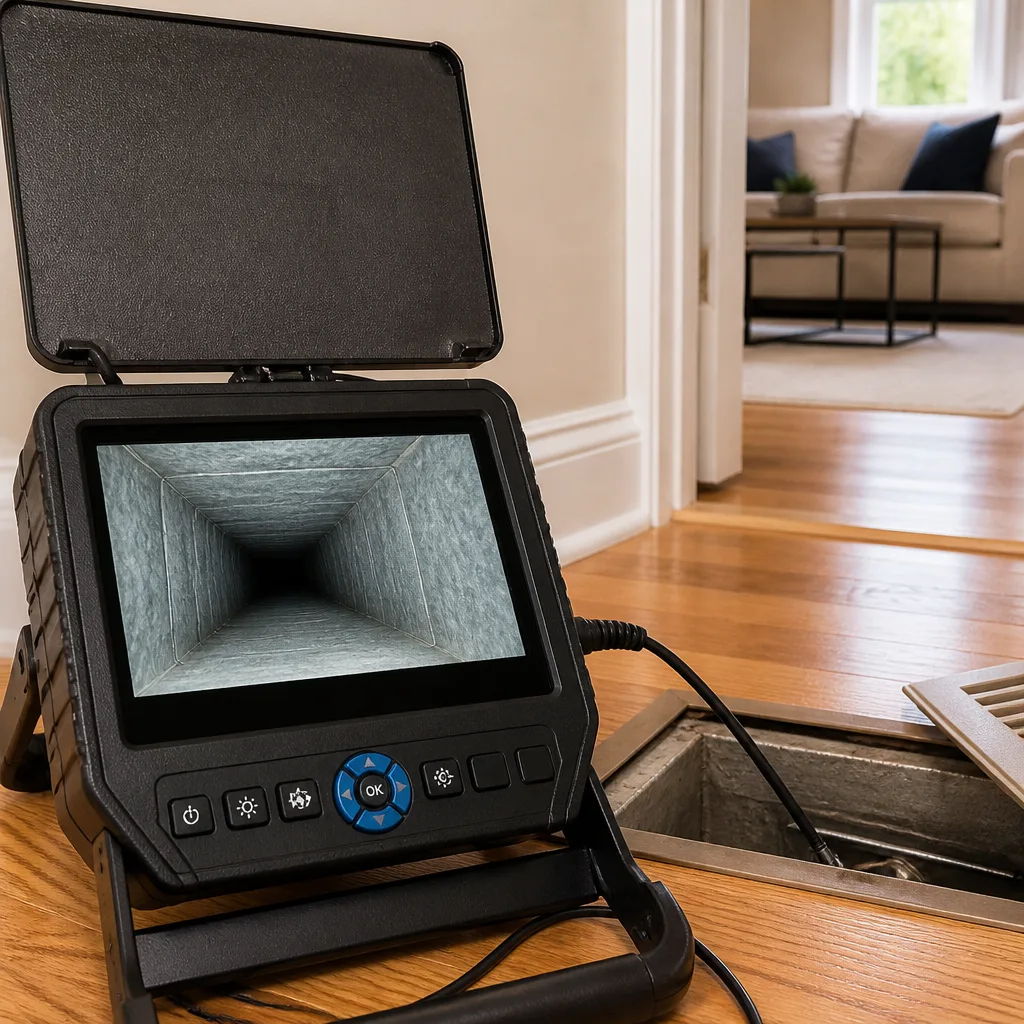 Camera inspection
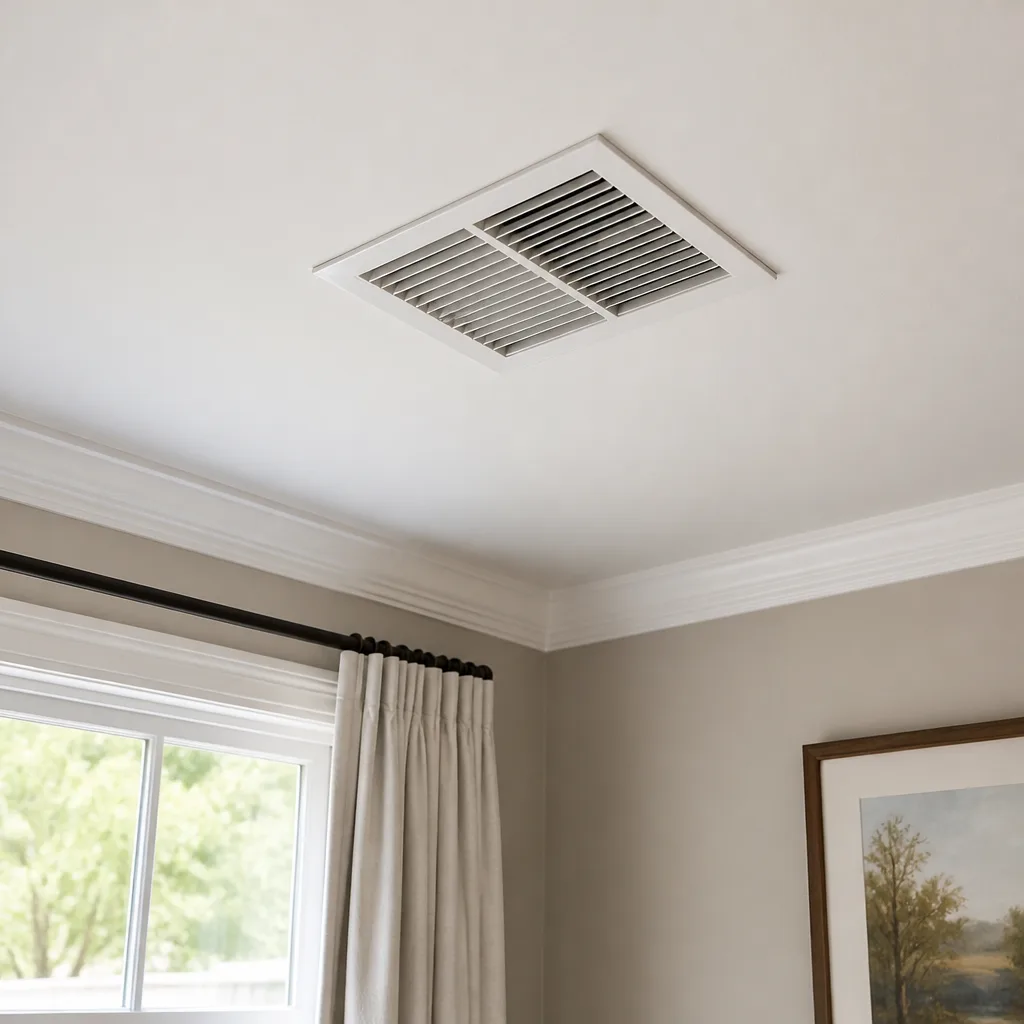 Sanitizing & deodorizing
Whole-system duct and dryer vent check with before-and-after photos - you see exactly what came out of your vents
That "$99 whole-house special" is a bait ad - the real number appears once they are in your hallway, or the "clean" is a shop-vac at the register. We photograph the inside of your ducts before and after instead.
Air Duct Cleaning Troubleshooting in Salt Lake City: Common Problems and How to Fix Them
If your ducts were cleaned six months ago and dust is already back on the vents, the cleaning didn’t fail. Your duct system probably has a breach pulling attic or crawl space air back in. That’s the thing most homeowners miss about duct problems: they’re rarely about dirt. Odors, weak airflow, whistling vents, dust that returns in weeks – each one is a symptom pointing at a specific mechanical failure. This guide teaches you to read those clues before you call anyone, so you know whether you need cleaning, repair, or both. We’ll cover the pressure test you can do with a dollar bill, why Salt Lake City’s soil causes duct failures most guides never mention, and how to document what you’re seeing.
Quick Answer
Most air duct problems in Salt Lake City come down to one of four causes: disconnected or sagging flex duct from soil movement, filter bypass letting dust into the system, leaks at joints and boots, or a clogged component downstream. Cleaning alone fixes only the last one. If your ducts were recently cleaned and symptoms returned fast, or if you see dust streaks at registers, the real fix is repair and resealing – then cleaning. Diagnosing the cause first saves you from paying for a cleaning that won’t hold.
Styles & brands we work with
- Whole-home duct cleaning
- Dryer vent cleaning
- Camera inspection
- Sanitizing & deodorizing
Table of Contents
- Symptom-to-Cause Mapping: What Each Problem Tells You
- The Dollar Bill Pressure Test: Find Leaks Before You Call
- Why Salt Lake City’s Clay Soil Causes Duct Failures
- Cleaning vs. Repair: Which Comes First?
- How to Document Symptoms So a Technician Diagnoses Fast
- Filter Bypass and Air Handler Problems You Can Spot
- Dryer Vent Problems That Look Like HVAC Problems
- Common Mistakes to Avoid
Symptom-to-Cause Mapping: What Each Problem Tells You
Every duct complaint has a signature. Read the symptom correctly and you’ve narrowed the cause before anyone opens a panel. Here’s how the clues break down.
Dust returning to vents within weeks of a cleaning
This usually means air is entering the system from an unintended place – the attic, a crawl space, or a wall cavity. A supply boot that doesn’t seal tight to the drywall, or a return chase with no seam tape left, pulls in unfiltered air every time the blower runs. Fresh dust on the register face is your first sign. Streaking around the register edge is the second.
Musty or earthy odors when the system starts
Odor that appears on startup and fades after a few minutes points toward a return duct in contact with damp ground or a disconnected run near a crawl space. Once that connection opens, the system pulls soil moisture and organic smell in. A persistent musty smell with no timing pattern points toward the evaporator coil area, not the ducts.
Weak airflow from some vents, strong from others
Uneven airflow is a distribution problem, not a dirt problem. The usual suspects are a crushed or sagging flex run, a damper partly closed, or a leak upstream that’s dumping air before it reaches the register. It won’t fix itself with a cleaning.
Whistling or rattling at a register
A whistle at the register often means restriction downstream – a kinked flex run, an undersized boot, or a damper closed too far. A rattle can mean a loose run slapping against framing or a duct boot that isn’t secured. Neither is a cleaning issue.
Strong pushback when you test airflow
Hold your hand at a supply register. If the stream feels weak but you hear the blower running hard, you probably have high static pressure – the system is pushing against a restriction. That’s a filter, a crushed run, or a closed damper. Filter first.
Reading symptom signatures gets you to the right category: cleanliness, connectivity, airflow, or moisture. That’s the difference between a technician who diagnoses in ten minutes and one who takes the system apart for two hours. Our technicians have up to 11 years of experience doing exactly that, and the pattern holds across most Salt Lake City homes we see.
The Dollar Bill Pressure Test: Find Leaks Before You Call
You can detect supply-side leaks at the register without special tools. A dollar bill held across a supply vent will pull or flutter in a way that tells you how much air is actually escaping the boot-to-drywall seal.
How to run the test
- Turn the thermostat fan setting to “on” so the blower runs continuously and the system reaches a steady state.
- Hold a dollar bill (or a strip of tissue) flat against the face of a supply register while it’s open.
- Watch the movement. If the bill flutters and pulls toward the vent with only light suction, the register is delivering normally.
- Check the edges around the boot where it meets the drywall or trim. A bill placed flat on the ceiling next to the register should not flutter. If it does, air is escaping around the boot.
- Repeat at three or four registers around the home – one in each zone if you have zones – and note which ones behave differently.
What the results tell you
- Strong flutter, no edge leak: that register is doing its job. Move to the next.
- Weak flutter at one supply only: the run feeding that register is restricted or partly disconnected.
- Strong flutter everywhere but weak at registers: you likely have a return-side leak pulling attic air, or high static pressure from a filter issue.
- Edge flutter at multiple boots: you have a sealing problem across the system, and a cleaning won’t fix it.
This test isn’t a substitute for a technician’s calibrated static pressure reading. It’s a cheap way to know what category of problem you have so the first conversation is productive. If you find edge flutter at several registers, that’s a duct repair conversation, not a cleaning one. We handle both: Banner Air Duct Cleaning repairs and cleans the same system on the same visit when needed.
Why Salt Lake City’s Clay Soil Causes Duct Failures
Salt Lake City sits on some of the most active clay soil in the country for residential foundations, and the freeze-thaw cycle in the valley makes it worse. Clay swells when it absorbs water and shrinks as it dries. Through a Utah winter, the soil beneath a slab or crawl space moves through that cycle repeatedly. Small movement is routine. Real movement opens seams.
What happens to flex duct in these conditions
Most Salt Lake City homes built in the last several decades run flex duct through the attic and crawl space. Flex duct is forgiving, but not infinitely so. What typically happens:
- A run runs long and unsupported, meets winter wood movement, and sags.
- A sagging run collects condensation on the inside liner in a heated attic, which weakens the connection at the boot or the trunk.
- Once the connection opens, the system is drawing attic air into your supply side.
- The homeowner sees dust return to the vents in the first few weeks after cleaning, and assumes the cleaning didn’t work.
Why this pattern is more common in Salt Lake City than in many markets
In our experience across Salt Lake City, the pattern is consistent. Homes on the valley’s clay soils, particularly in older neighborhoods near the foothills and in areas with shallow crawl spaces, develop disconnected and sagging runs more often than homes built on more stable ground. The failure is quiet – no alarm goes off – but it announces itself as dust coming back too fast and airflow that’s weaker than it used to be. Cleaning the system doesn’t address either symptom if the ductwork is the source.
This is why we offer air duct repair as a standalone service. Locating and correcting sagging, disconnected, or separated runs is a mechanical fix. Cleaning without the fix is a short-lived result.
Cleaning vs. Repair: Which Comes First?
In most cases where symptoms returned quickly after a prior cleaning, repair comes first and cleaning comes after. If the ductwork isn’t whole, cleaning it is like mopping a floor with a leak still running. The decision tree below keeps this simple.
Cleaning is likely the right fix when:
- The system has never been cleaned, or it’s been many years since the last service.
- You can see dust or debris collecting on the inside of the registers.
- Recent construction, remodeling, or a move-in produced a fresh debris load.
- A water event or pest intrusion left residue in the ducts.
- The ductwork is sealed tight and the air handler filter is properly loaded.
Repair or resealing must come first when:
- Boots aren’t sealed to drywall and edge flutter shows on the dollar bill test.
- A flex run has disconnected, crushed, or kinked in the attic or crawl space.
- Airflow is uneven because of a mechanical restriction rather than debris.
- Odors return immediately after a prior cleaning.
- You had a recent cleaning elsewhere and symptoms came back within six months.
Both on the same visit is often the honest answer
Many homes need repair and cleaning together. That’s why we treat both as core services rather than something to shuttle between contractors. Restoration-grade equipment matters here: the air duct cleaning work on a system that’s been repaired uses the same Rotobrush rotary brush and Nikro HEPA-rated extraction we’d use on any system, and the HEPA extraction is what keeps the debris from recirculating through the home while we work. Abatement Technologies air scrubbers deployed during the service contain airborne particles that are displaced by the brush work. That’s the difference between a cleaning you can see on the register and one that’s actually been pulled out of the system.
How to Document Symptoms So a Technician Diagnoses Fast
The fastest, most accurate quote comes from a technician who already knows what you’re seeing before arriving. Ten minutes of documentation saves a return visit and prevents guesswork pricing.
What to photograph
- Every register face from a straight-on angle, with lighting that shows any dust streaks or discoloration.
- The boot-to-drywall edge on two or three registers, so sealing gaps are visible.
- Any visible flex duct in the attic or crawl space, from the access hatch, with the sag or disconnect area framed in the shot.
- The air handler filter slot with the filter in place, so filter condition is documented.
- Any water staining, rust, or discoloration at boots or panels.
What to write down
- The exact timing of symptoms. “Dust returns within three weeks” is diagnostic information. “Dust is bad” is not.
- Which registers show each symptom, using room names: master, kitchen, NW bedroom. A zone map helps.
- Whether the symptom is worse when the system is running or when it’s been off.
- Whether the thermostat has been recently replaced or the system was recently moved.
- Any prior cleaning or repair dates if you have them.
Bring this to the phone call. It shortens the conversation and it lets us tell you whether you need cleaning, repair, or an on-site diagnosis before committing to a visit. Estimates are free, so a call about specific symptoms is always worth ten minutes.
Filter Bypass and Air Handler Problems You Can Spot
The filter slot and the air handler are where most homeowners can catch the earliest signs of a problem without opening anything electrical. Two checks are worth learning because both are common in Salt Lake City homes.
The filter bypass check
Pull the filter and look at the slot it sits in. The filter should touch the frames on all four sides with no visible gap. A gap of a quarter inch or more lets unfiltered air bypass the filter and deposit directly on the evaporator coil. On Salt Lake City homes with standard 1-inch return grilles, the frames were often sized for a brand of filter that’s no longer the default at the hardware store. A mis-sized filter creates a permanent bypass. Filters correctly fitted to the frame are the first thing to verify before assuming your ducts are the problem.
The “is the blower pulling hard?” check
Listen to the air handler with the system on. A blower that sounds like it’s straining against resistance usually has a restricted return path – a dirty filter, a closed return grille, or a collapse in the return duct. The symptom in the living space is weak supply airflow, but the cause is on the return side. Don’t solve it by turning up the fan speed.
Systems we know well
If you have a whole-home filtration or humidification system from Honeywell or Aprilaire, we’re trained on those systems and can service the ductwork around them without disturbing the manufacturer’s expectations. That means filter and bypass checks on those systems are part of a normal visit, and we can tell you whether the components around them need attention or replacement.
What not to touch
Electrical work at the air handler, gas connections, and the refrigeration circuit belong to a licensed HVAC technician, not a duct cleaner. We stop at the ductwork boundary. If a diagnosis needs to go deeper, we’ll tell you, and we won’t quote repair on parts outside that boundary. The point of doing this well is knowing where the edge is.
Dryer Vent Problems That Look Like HVAC Problems
Homeowners often attribute dryer vent symptoms to the HVAC system because both involve ductwork, filter screens, and airflow temperatures. They’re separate systems with separate failure modes, but the symptoms overlap enough that a call about “warm air in the laundry room” is sometimes a dryer vent issue.
Symptoms that point to the dryer vent, not the HVAC
- The dryer takes two cycles to dry a normal load, and the drum gets hot inside.
- The laundry room feels humid or warmer than the rest of the house during dryer use.
- The outside dryer vent flap doesn’t fully open when the dryer runs.
- Lint appears around the outside exhaust hood after only a few loads.
Lint buildup in the dryer vent is a documented leading cause of residential fires, and the failure mode is a fire, not a comfort complaint. We treat dryer vent service like the safety job it is. Our dryer vent cleaning covers the full run from the dryer connection to the outside hood, including the transition duct and the exterior flap, using the same HEPA-rated extraction we use on HVAC ductwork. Salt Lake City homes with long runs or runs with multiple elbows are more prone to lint accumulation, which is why it’s worth checking if the dryer feels slower than it used to.
What a cleaning can’t fix on a dryer vent
If the vent run is crushed behind the dryer, or if the transition duct from the dryer outlet is a type that traps lint rather than shedding it, cleaning it once won’t solve the problem. The right answer is to replace the transition duct and correct the run. A licensed appliance technician handles the appliance side; we handle the vent side.
See the difference
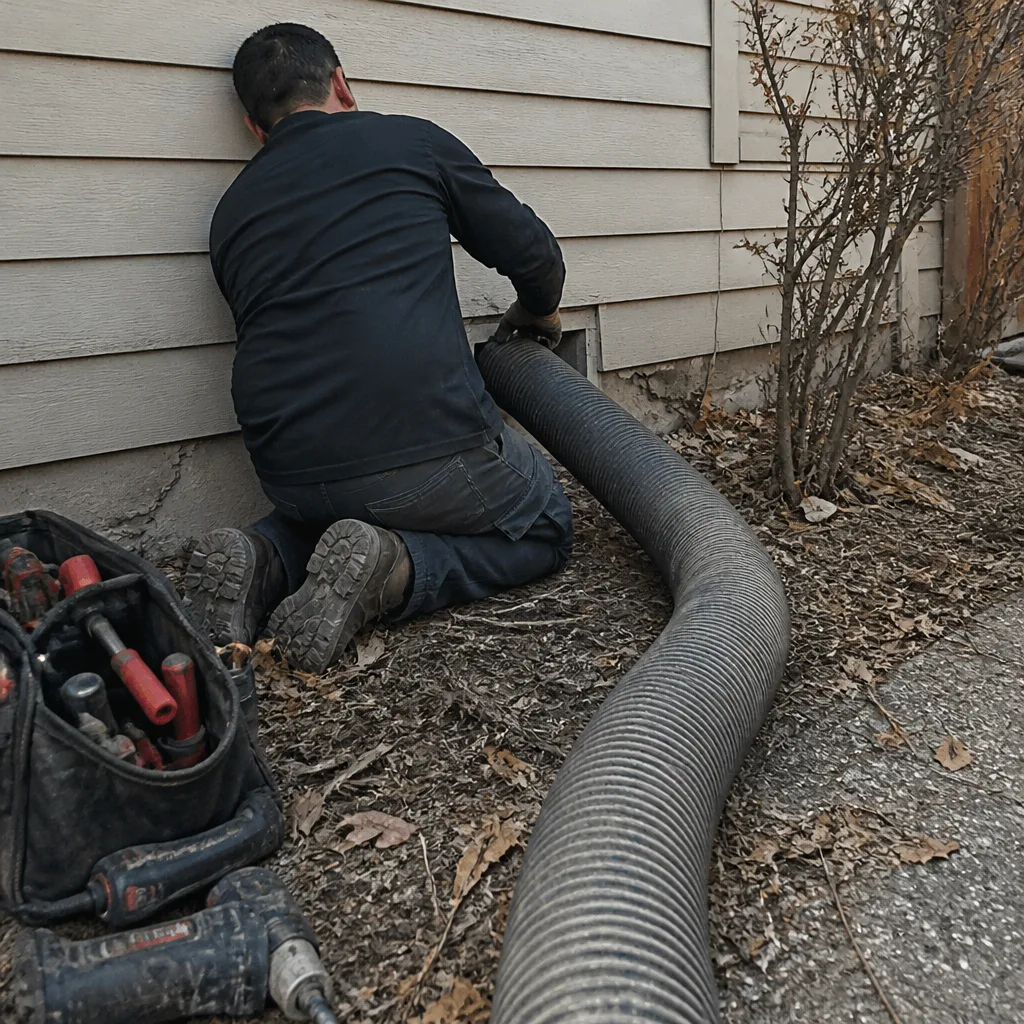 Before
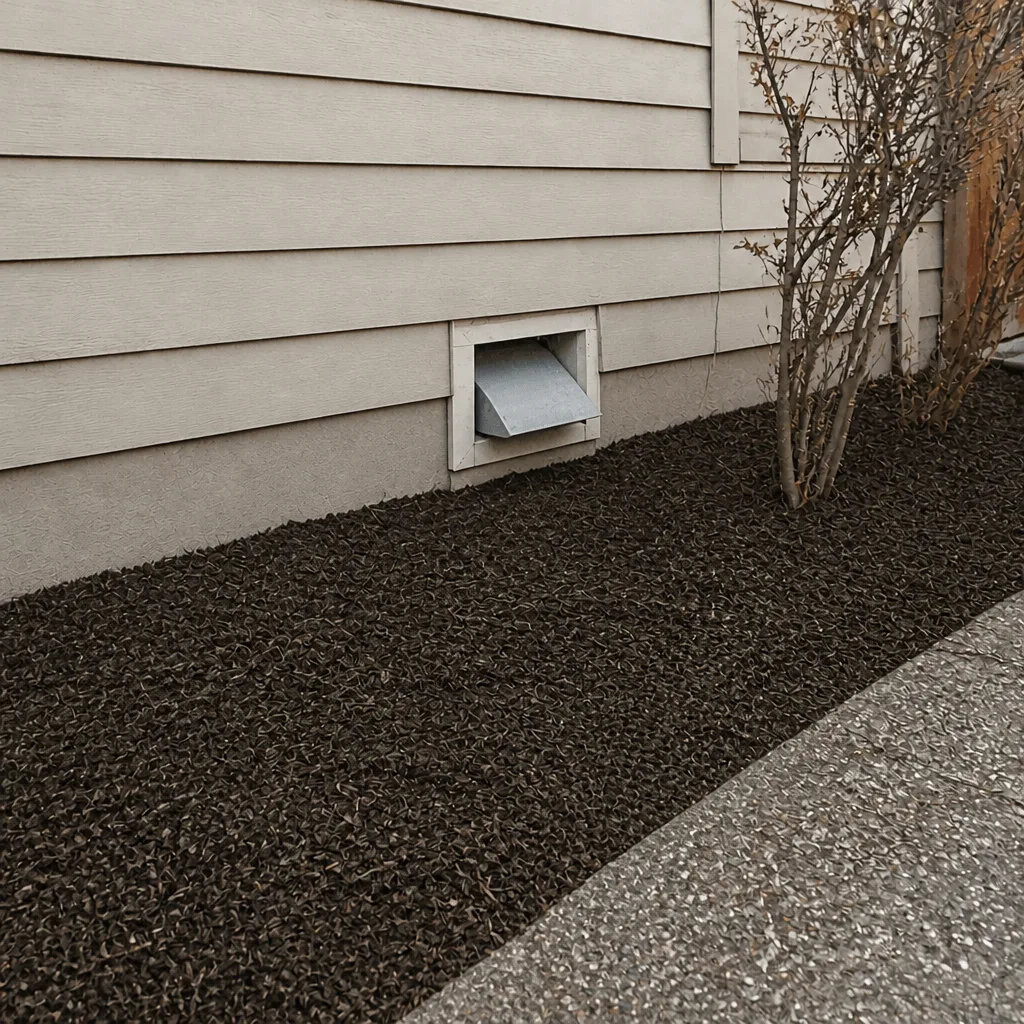 After
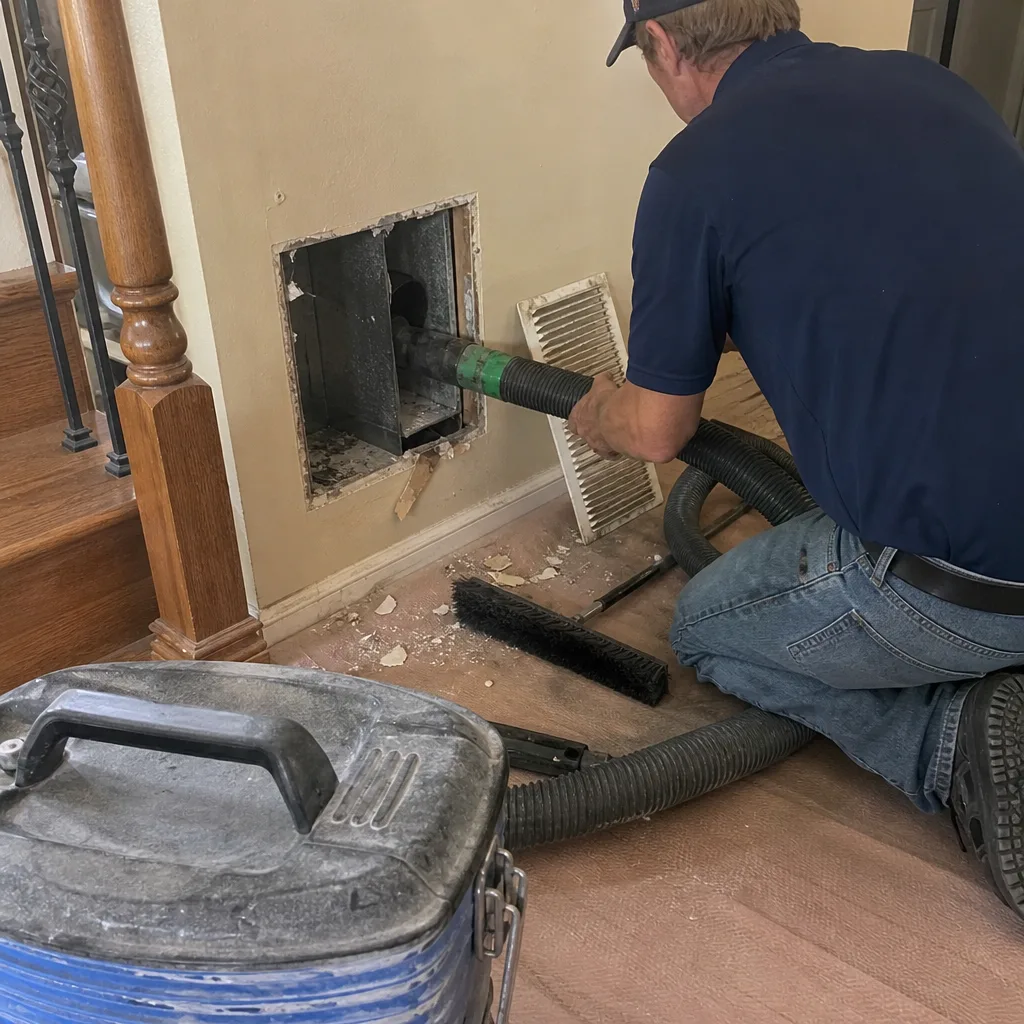 Before
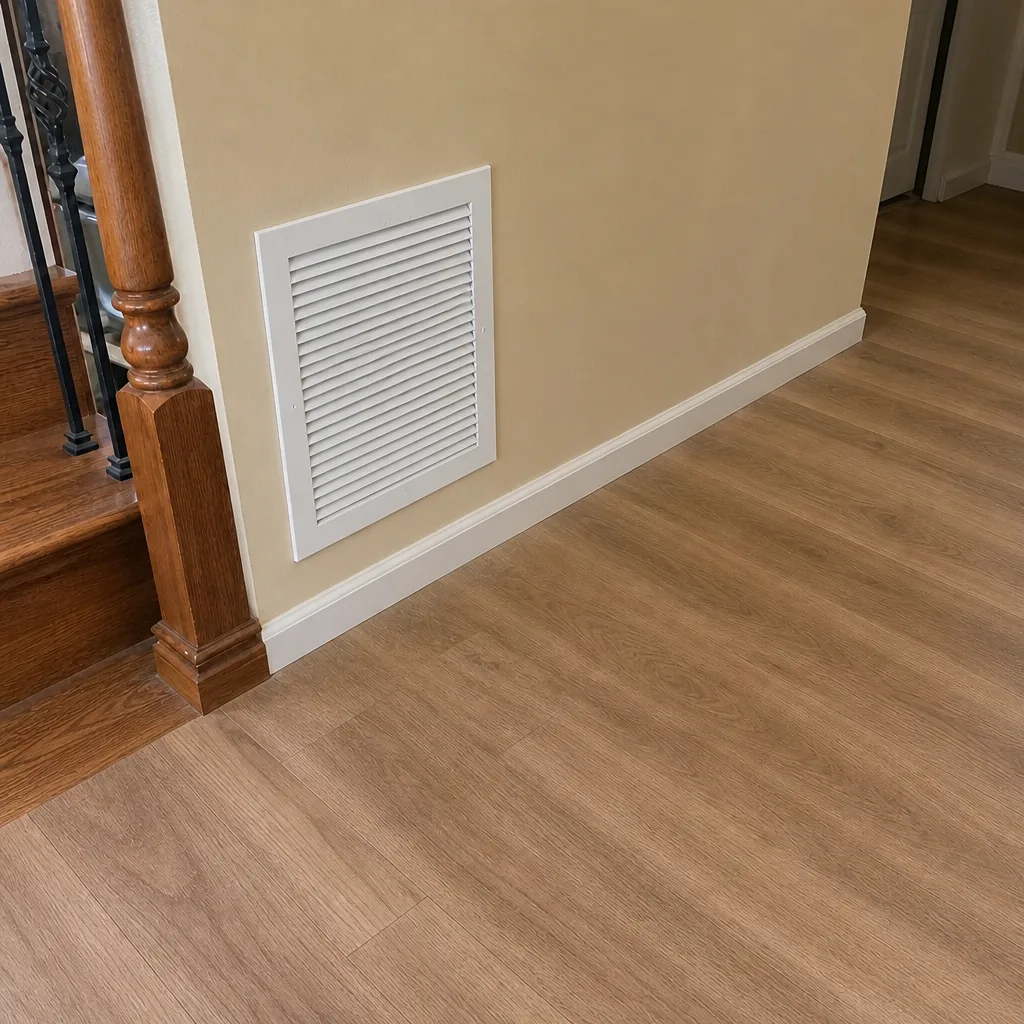 After
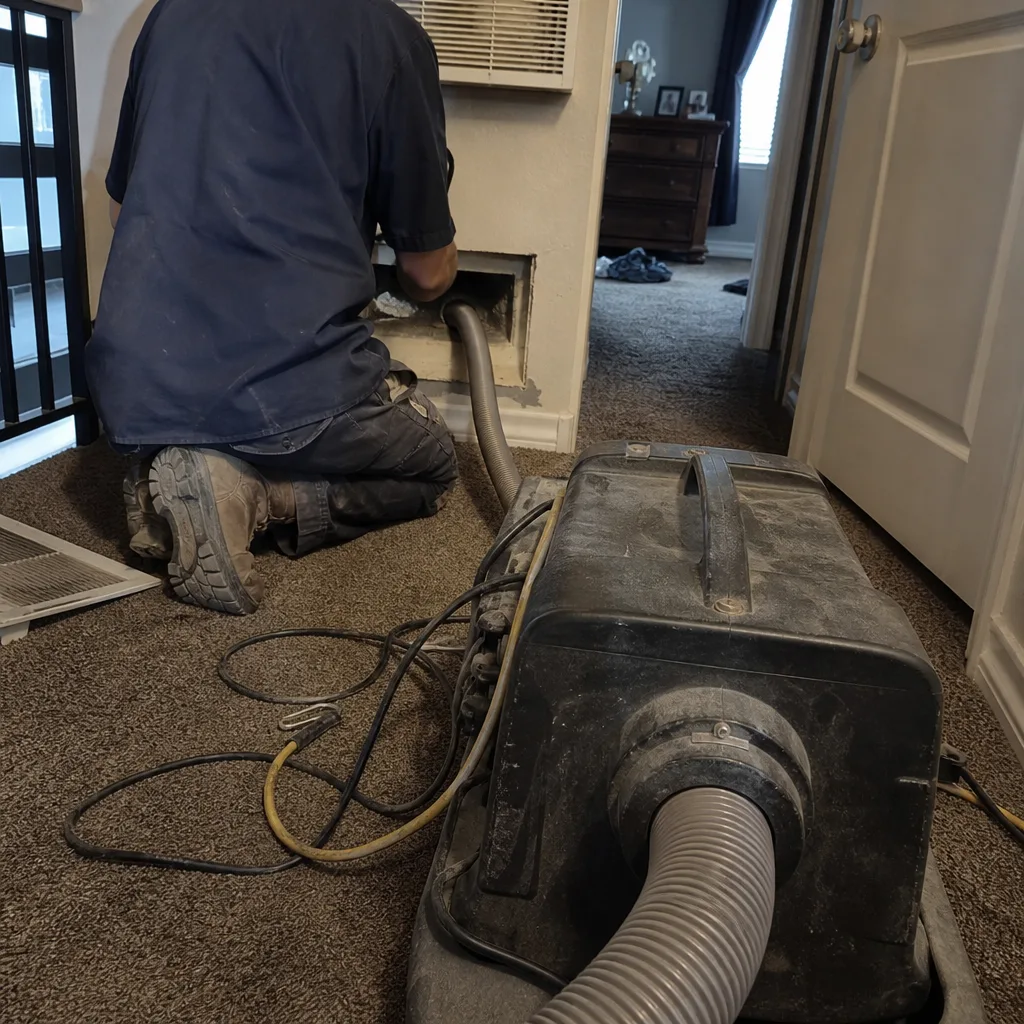 Before
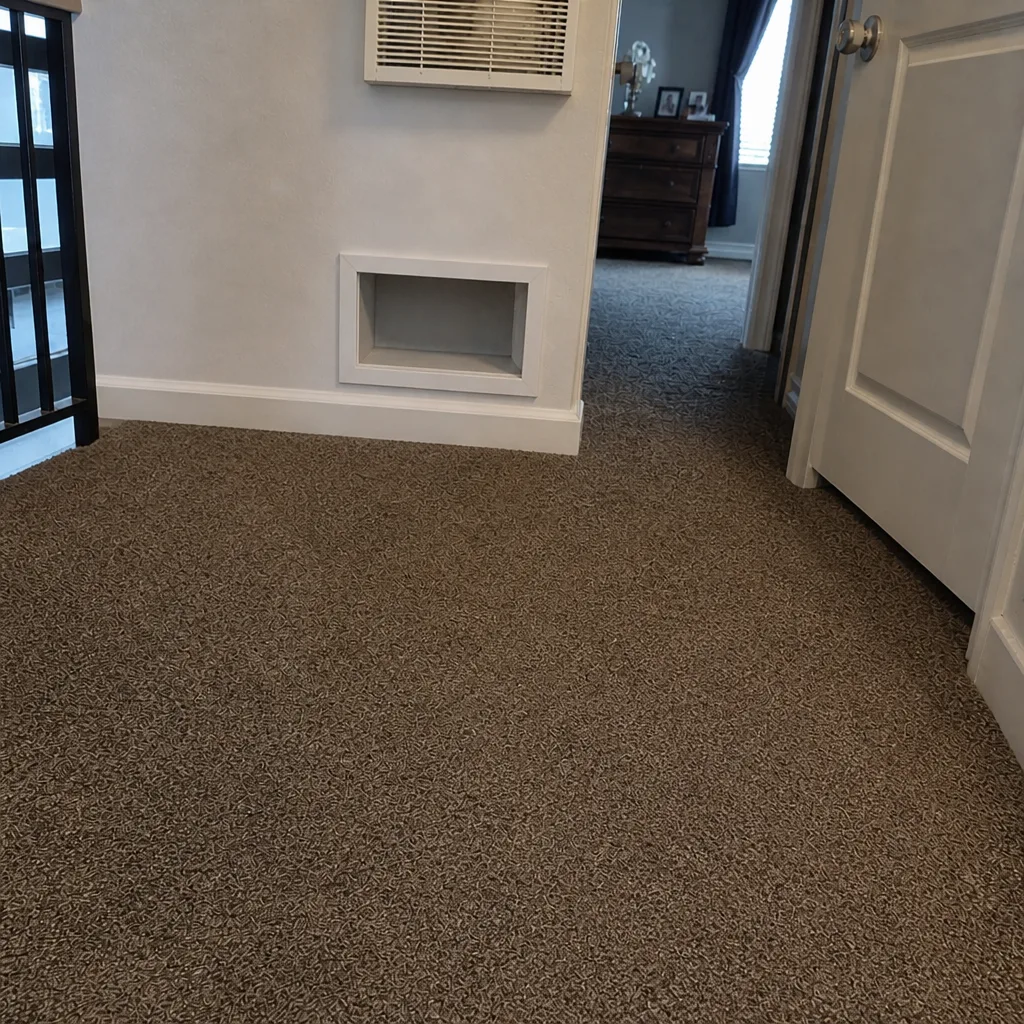 After
Common Mistakes to Avoid
- Hiring on price alone. A quote that comes in far under every other quote usually reflects a smaller tool, fewer steps, or a lower price per vent that grows on-site. Ask what equipment and process the quote covers, not just the number.
- Cleaning when the answer is repair.
- If dust returns within a few weeks of a prior cleaning in a Salt Lake City home, the ducts most likely need reconnecting and resealing, not another cleaning cycle. Cleaning a broken system makes the same mess come back.
- Skipping the filter bypass check. A quarter-inch gap at the filter slot sends unfiltered air straight onto the coil. Homeowners who replace their filter and still see dust on vents often have a sizing issue, not a duct issue.
- Ignoring dryer vent lint as routine. Lint accumulation is a fire risk. If the dryer takes two cycles to dry a load, the vent needs to be checked, not the drying time.
- Not documenting symptoms. Describing a problem as “dusty” gets a different visit than “dust returns to the master bedroom register within three weeks of cleaning.” A photo and a specific timing gets a better quote.
- Expecting a cleaning company to service the whole HVAC system. Duct cleaning and duct repair are not the same as HVAC repair. A duct cleaner who tells you they’ll fix your compressor is telling you they’ve stepped outside their scope.
- Skipping the dollar bill test. Two minutes with a dollar bill and a note about edge flutter at each register gives the technician more information than a thirty minute walkthrough.
When to Call a Professional
Call us when you’ve found edge flutter at multiple boots, when dust returns within weeks of a prior cleaning, when the airflow at one side of the house is clearly weaker than the other, or when you can see hanging or disconnected flex duct in the attic or crawl space. Those four scenarios almost always point to repair before cleaning, and a home walkthrough on-site is the honest way to price both. Also call if the dryer takes two cycles, if you smell musty air on system startup, or if the filter slot shows visible bypass. Banner Air Duct Cleaning offers free estimates in Salt Lake City. Call (855) 752-4416. We answer 24/7. Fast dispatch from 7am to 7pm, Sunday through Friday.
Frequently Asked Questions
Dust returning within weeks of a cleaning usually means air is entering the system from an unintended place – a boot that isn’t sealed to drywall, a disconnected flex run, or a filter bypass. Cleaning handles debris inside the ductwork. It doesn’t close the gap that’s letting new debris in. The right answer is usually repair and resealing first, then a cleaning, and the dollar bill pressure test is the fastest way to confirm it before you call. Call (855) 752-4416 for an exact quote; estimates are free.
Whole-system cleaning in Salt Lake City is typically priced by system, not per vent, and the total depends on the number of runs, the accessibility of the attic and crawl space, and whether repairs are needed. Companies that advertise a very low per-vent coupon price usually add line items on-site once the technician is in the door. Ask for one flat price per system, confirmed in writing before work starts. Banner Air Duct Cleaning quotes that way, and we can work with your insurer if a repair involves a covered event. Call (855) 752-4416 for an exact quote; estimates are free.
Yes – repair and cleaning are handled on the same visit when the diagnosis calls for both, which is the case for most Salt Lake City homes where symptoms have returned quickly. Repair capability is part of our service, so there’s no need to schedule a separate HVAC contractor for the ductwork. Call (855) 752-4416 for an exact quote; estimates are free.
Weak airflow on one side of the house is usually a mechanical problem, not a dirt problem. The common causes are a crushed or sagging flex run, a damper that’s been accidentally closed, or a leak upstream that’s dumping air before it reaches the register. Cleaning alone won’t fix any of those. If you can access the run in the attic, check for a visible kink before calling. Call (855) 752-4416 for an exact quote; estimates are free.
Salt Lake City homes on the valley’s clay soils tend to develop disconnected and sagging flex runs more often than markets with more stable ground, so inspection frequency is worth a conversation based on how the system is performing rather than a fixed calendar. If your ducts have never been inspected for disconnections, the first walkthrough is worth it. When it’s been done and everything is sealed, there’s no reason to clean more often than the system calls for. Call (855) 752-4416 for an exact quote; estimates are free.
Ask for before-and-after photos of your own ducts, showing the same locations with the same framing. Restoration-grade equipment like the Rotobrush system and Nikro HEPA-rated extraction leaves a visible and measurably different register face, and the photos are proof of what changed. Any company that won’t produce photos of your system, before and after, is asking you to take their word for it. Call (855) 752-4416 for an exact quote; estimates are free.
Why are some quotes so much cheaper than others?
A quote that comes in far below every other quote usually reflects a smaller tool, fewer process steps, or a low per-vent price that grows into line items on-site. A consumer-grade shop vac and a HEPA-rated extraction system are not the same service, even if the price looks similar at first glance. Ask what equipment and what process the quote covers. Call (855) 752-4416 for an exact quote; estimates are free.
You can safely do a visual inspection, a filter check, and the dollar bill test. Disconnecting flex runs, handling electrical at the air handler, or running amateur equipment into a duct system is where the risk goes up – especially on older Salt Lake City homes where the attic or crawl space access is tight and dust containment matters. The pieces you can do yourself are the same pieces your technician can read as diagnostic signals. The rest is where professional-grade equipment and Abatement Technologies air scrubbers change the outcome.
The Bottom Line
Symptoms in your ducts are clues, not just annoyances. Dust returning fast after a cleaning usually points to a breach pulling attic or crawl space air back in. Uneven airflow points to a crushed or disconnected flex run. Startup odors point to moisture contact. Salt Lake City’s clay soils and freeze-thaw cycles accelerate the most common failure mode – sagging, disconnected flex duct – which is why a cleaning alone doesn’t always hold. Run the dollar bill test, snap a few photos, note the timing, and call for a walkthrough when the picture points toward repair. Cleaning and repair on the same visit is what makes the result last. Our technicians have up to 11 years of experience diagnosing exactly these patterns, and the written estimate sets the final price before any work begins.
If symptoms have brought you here, the fastest next step is one phone call. An on-site walkthrough gives you the diagnosis, the option to repair, and the option to clean, priced as one job. Call (855) 752-4416. We answer 24/7. Fast dispatch from 7am to 7pm, Sunday through Friday.
Written by the team at Banner Air Duct Cleaning.