
Last updated November 16, 2026
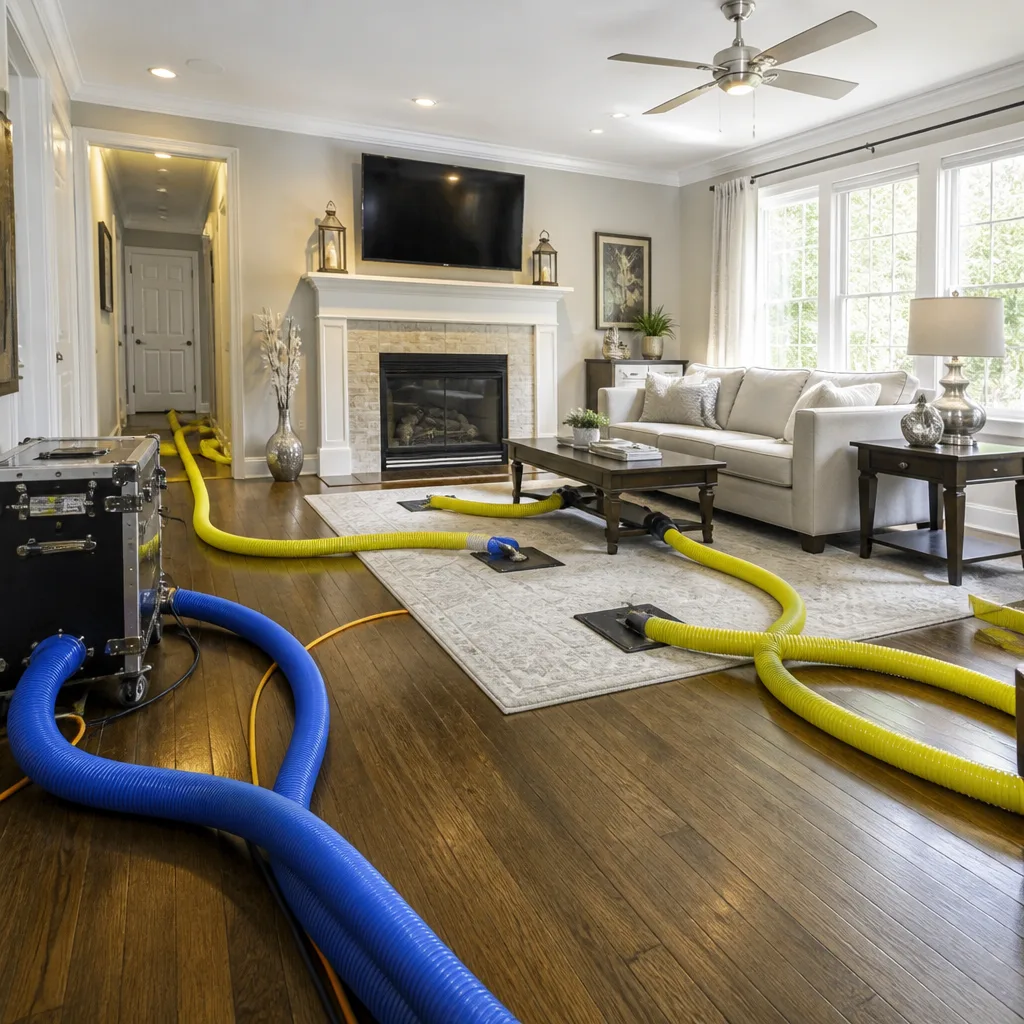 Whole-home duct cleaning
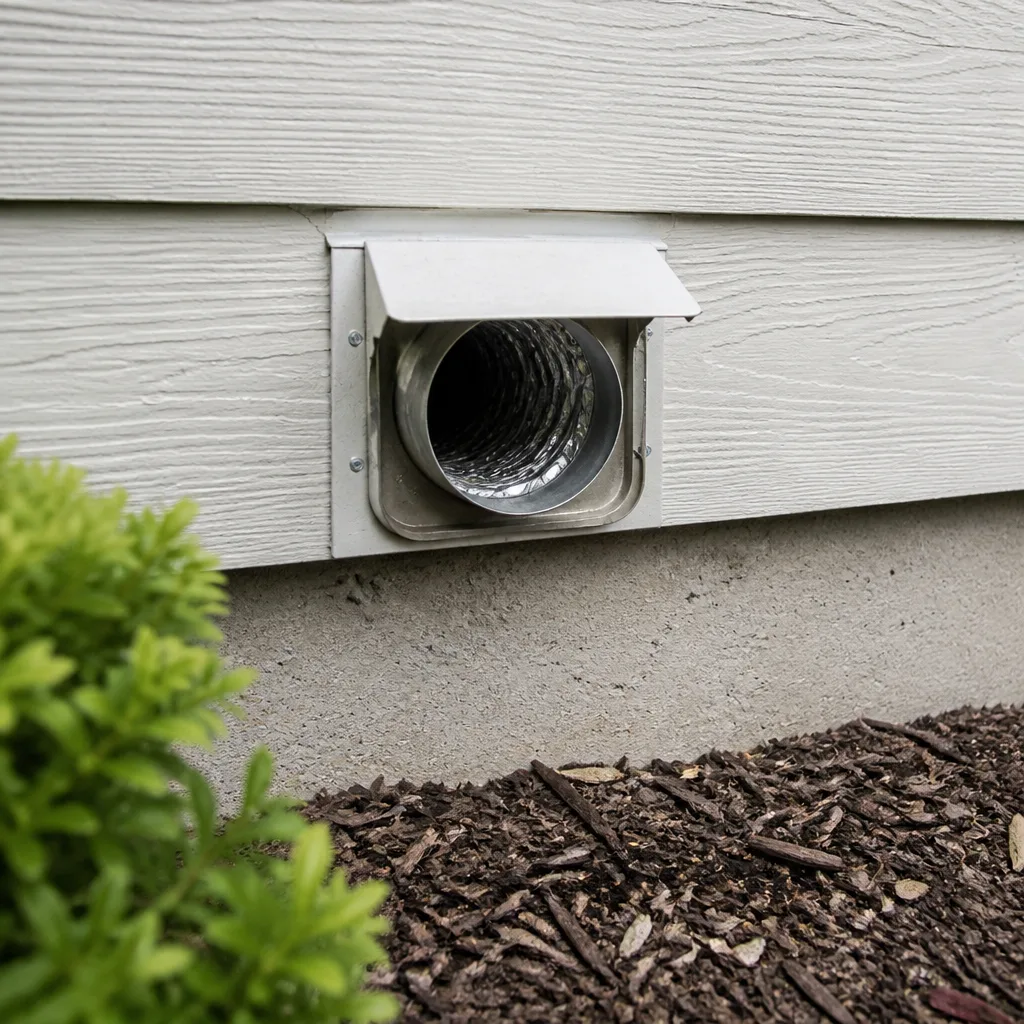 Dryer vent cleaning
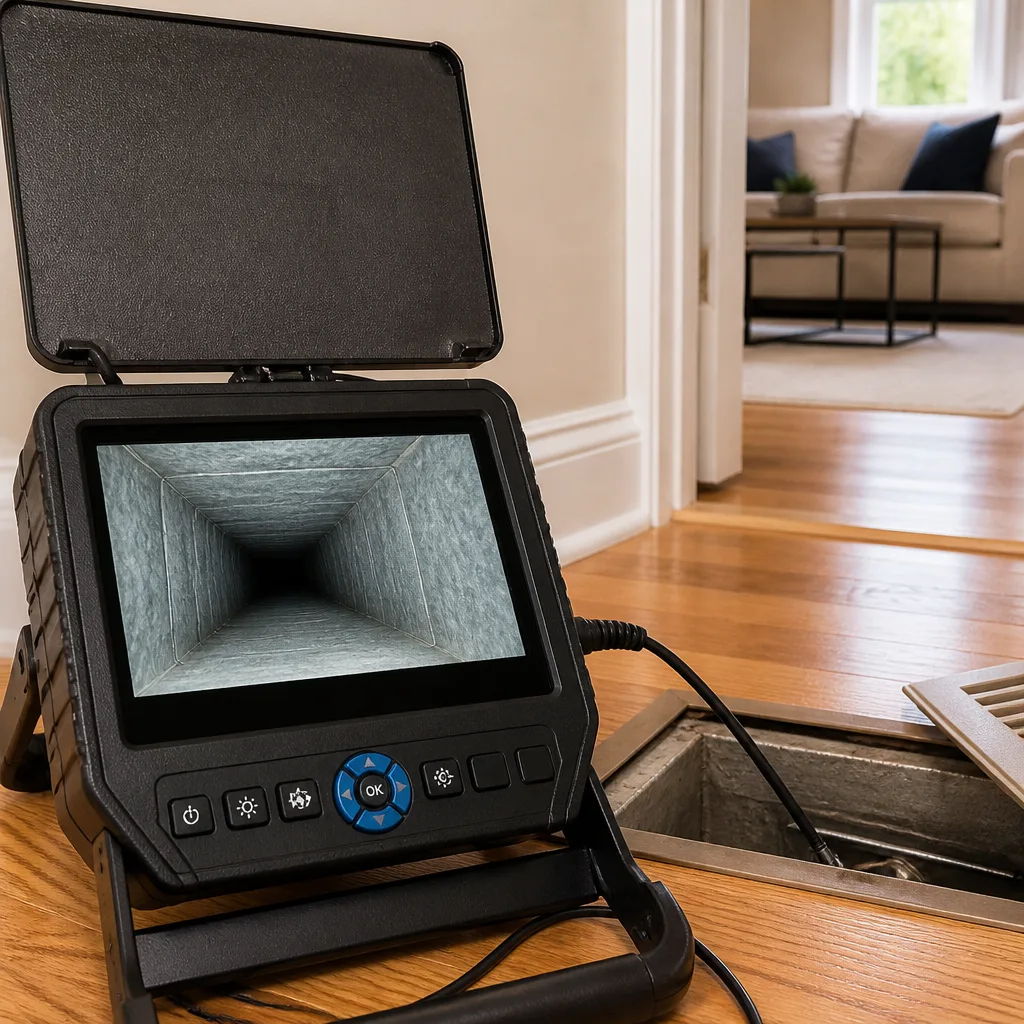 Camera inspection
 Sanitizing & deodorizing
Whole-system duct and dryer vent check with before-and-after photos - you see exactly what came out of your vents
That "$99 whole-house special" is a bait ad - the real number appears once they are in your hallway, or the "clean" is a shop-vac at the register. We photograph the inside of your ducts before and after instead.
Air Duct Cleaning Emergency Preparedness Guide for Salt Lake City Homes
When the air quality index in Salt Lake City climbs toward hazardous during a wildfire smoke event, most people do the instinctive thing: shut the windows and switch the HVAC to recirculate. That instinct is right, but it assumes your duct system is sealed. If your return plenums leak at the joints, your system is pulling outdoor air in and pushing it through the house, and you won’t find out until you smell smoke indoors. Preparedness isn’t about reacting well in the moment. It’s about knowing the state of your ducts before the moment arrives. This guide walks through the four emergencies that matter most along the Wasatch Front and gives you a plan for each one.
Quick Answer
Air duct cleaning emergency preparedness in Salt Lake City means three things done before an emergency: documenting your duct system with photos and a layout so post-event assessment and insurance claims move quickly, having high-MERV filters and temporary seals on hand to isolate the system fast, and confirming your return ducts and joints are sealed so smoke, water, and dust can’t bypass the filter. During an event, the correct order is to shut the system down, seal any opening to the outdoors, and only then re-run filtration once you’ve confirmed the ducts are intact.
Styles & brands we work with
- Whole-home duct cleaning
- Dryer vent cleaning
- Camera inspection
- Sanitizing & deodorizing
Table of Contents
- Wildfire Smoke Protocol for Your Duct System
- Post-Earthquake Duct Inspection on the Wasatch Fault
- Flood and Moisture Intrusion: The Flex Duct Problem
- Building a Pre-Emergency Duct Baseline
- The Emergency Kit for Duct Protection
- Filters, Air Quality Hardware, and What Not to Do
- Common Mistakes to Avoid
- When to Call a Professional
Wildfire Smoke Protocol for Your Duct System
Smoke events in Salt Lake City don’t announce themselves politely. They arrive with a wind shift, sit in the valley under a ridge of high pressure, and can linger for days. When the air quality index tips into the unhealthy range, your duct system becomes either your best defense or your worst liability, and the difference comes down to how well the system is sealed and how well the filter is matched to the job.
Here is the sequence we recommend, in order, when a smoke event begins:
- Close the fresh-air intake if your system has one. Many homes along the east bench and in the Avenues have a barometric fresh-air damper tied to the return. Close it before you do anything else. If you don’t know where it is, find out now, not during the next event.
- Switch the thermostat from “auto” to “on.” Constant fan keeps air moving through the filter instead of letting it stagnate and deposit smoke particles on every surface.
- Confirm your filter MERV rating. A MERV 13 filter captures fine smoke particles far better than a basic MERV 8, but only if your blower can move air through it. If you don’t know what your system was designed for, ask before you upgrade.
- Seal any opening to the outside you can reach. Window gaps, dryer vent flapper, range hood damper. A temporary register seal on an unused basement room helps isolate that zone.
- After the event, don’t just swap the filter and move on. Smoke leaves a fine, oily residue on duct walls and on the blower wheel. That residue becomes a smell the first time the heat kicks on in October.
The counterintuitive part: running a high-MERV filter during a long smoke event is smart, but if your return ducts are disconnected or leaking, the filter never sees the air. Smoke pulls in through the leak and bypasses filtration entirely. That’s why we test return duct pressure and joint integrity before smoke season, not during it. A leaky return duct defeats every filter upgrade you make.
If you’ve been through a smoke event and the house still smells like a campfire weeks later, the ducts are holding the residue. That’s the point to schedule air duct cleaning with a system that agitates the duct walls mechanically and extracts with HEPA-rated vacuum, not a shop vac that recirculates the particles back into the room.
Post-Earthquake Duct Inspection on the Wasatch Fault
Salt Lake City sits on the Wasatch Fault corridor, and that fact should shape how you think about duct integrity. A moderate seismic event does quiet, cumulative damage to a duct system: joints separate a few millimeters, screws back out, flexible duct at transitions sags or tears, and rigid trunks crack at the seams. None of it is dramatic. All of it is a problem when the heating season starts and the system starts pushing air through gaps it wasn’t designed to have.
After any felt earthquake, these are the inspection priorities, in order:
- Attic flex duct connections at the air handler and the supply plenum. Flex runs are the first to slip or tear in a shake.
- Suspended rigid trunk lines in the attic. Look for straps that have pulled free and seams that have separated.
- Return plenum connection to the furnace cabinet. A gap here pulls attic or crawlspace air directly into the return with no filtration at all.
- Basement trunk-line supports and seams. Older Salt Lake City homes often have sheet-metal trunks hung from joists, and seismic movement loosens the hangers.
- Duct boots at the floor and ceiling registers. These can shift out of the drywall during a shake and open a direct path between the cavity and the room.
We’ve inspected systems after seismic events where the homeowner insisted nothing had changed. A camera run through the return plenum usually tells a different story. That’s why Banner Air Duct Cleaning treats air duct repair as a standalone service, not an upsell you have to talk us into. We locate the disconnect, we correct the leak or the tear, and the system goes back to moving the air it was designed to move. If it’s broken, we fix it. If it’s just dirty, we clean it.
Timing matters. Do the inspection before the first cold snap, when every Salt Lake City furnace in the valley fires up at once and the systems with hidden leaks are the ones that start running constantly to keep up.
Flood and Moisture Intrusion: The Flex Duct Problem
Standing water in a crawlspace is one of the most common duct-system emergencies in the older Salt Lake City neighborhoods, and it’s also the one most often ignored until the odor gives it away. Water and ductwork don’t mix. The materials that line a duct system were never designed to sit wet, and once they’ve absorbed moisture, the clock starts on mold growth and delamination.
Here’s what water actually does to duct materials:
- Insulated flex duct: the fiberglass insulation absorbs water, compresses, and loses its thermal value. The inner plastic liner delaminates from the insulation and can collapse into the airstream.
- Sheet-metal trunks: the seams rust and separate, and rust flakes enter the airstream. An insulated metal trunk soaks the insulation jacket and stays wet for weeks.
- Duct board: the foil facing peels and the board itself crumbles at the exposed cut edges. Duct board rarely recovers from a soaking; it’s usually a replacement situation.
The inspection-to-remediation timeline that works, in general terms:
- Day zero to day two: stop the water source, extract standing water, and get airflow moving through the crawlspace to dry the structure.
- Day two to day five: inspect every duct section that was in contact with water. Photograph each one. Anything still damp after this window is a candidate for removal and replacement.
- Day five to day fourteen: confirm the structure is dry with a moisture meter, then clean and, where needed, repair or replace affected duct sections. Cleaning a duct system that’s still wet just spreads the problem.
If you don’t have a moisture meter, that’s fine. The decision point is whether the insulation and the duct wall are dry to the touch two days after the water is gone. If they aren’t, the duct is done. We run an Abatement Technologies air scrubber during the remediation cleanup so displaced particles are contained while the ducts come out, not blown through the house.
Building a Pre-Emergency Duct Baseline
The single most useful thing you can do for your duct system before any emergency is to document what it looks like when it’s healthy. A duct baseline is a set of interior photos and a simple layout sketch, and it’s the difference between a fast, clean insurance claim and a slow argument over what was damaged.
What a proper baseline includes:
- Interior camera photos of every trunk line, including the return plenum and the supply plenum at the air handler.
- A simple one-page layout sketch showing where each trunk runs, where it branches, and where each register lands. You don’t need a drafting table. A rough map with labeled rooms is enough.
- Photos of every accessible joint and connection, especially in the attic and crawlspace, where the damage from a quake or a leak will show up first.
- The make and model of the air handler, and the MERV rating of the filter your system was designed to handle.
When you schedule a cleaning with Banner Air Duct Cleaning, we document the interior of the system as part of the visit with our Rotobrush and Nikro equipment, and we give you before-and-after photos of your own ducts. That documentation is the baseline. If a smoke event, a quake, or a water intrusion hits in three years, you’ll have a dated record of what the system looked like when it was in good shape.
For property managers along the Wasatch Front, this baseline is even more valuable. A documented duct system per unit on file makes an insurance claim on one building dramatically easier than pulling the whole portfolio’s history together after the fact.
The Emergency Kit for Duct Protection
A duct-emergency kit is small and cheap. The point is to have the items on hand when the event is already happening, so you’re not standing in the garage on the way to the hardware store while smoke seeps under the door.
- Two or three high-MERV filters, sized for your system. A MERV 13 is a good smoke-event filter if your blower can handle it. Check with us or your HVAC contractor first.
- Temporary register seals for the rooms you want to isolate. Cut them from stiff plastic or cardboard, and tape them with painter’s tape so they come off without damage.
- A roll of foil HVAC tape (not duct tape) for sealing a joint you find leaking during an event.
- A flashlight and a dust mask for a quick attic or crawlspace check without breathing debris.
- A moisture meter for the flood scenario. Even a basic pin-type meter is enough to tell you whether the duct insulation has dried.
- Your duct baseline packet in a waterproof folder. The photos and the layout sketch, ready to hand to your insurer.
One more item worth noting: a labeled shutoff for the furnace itself. In a smoke event or a water intrusion, the fastest way to stop the system from moving contaminated air is to stop the system. Know where the switch is.
Filters, Air Quality Hardware, and What Not to Do
The most common mistake we see in Salt Lake City after a smoke event is an immediate jump to the highest-MERV filter on the shelf, without regard for what the system was designed to move. A MERV 16 filter on a system built for MERV 8 restricts airflow, freezes the evaporator coil, and forces the blower to work harder for no filtration gain in the leaky return duct it’s pulling through anyway. Match the filter to the system first, then upgrade the sealing.
If your home has whole-home air-quality hardware, the filter question gets more specific. We’re trained on Honeywell and Aprilaire systems and we clean around that equipment, so we don’t void the manufacturer’s expectations. If your Aprilaire media cabinet is holding a MERV 13, keep it. Don’t swap it for a MERV 16 and assume more is better. If a Honeywell electronic air cleaner is part of the system, its cells need cleaning on the manufacturer’s schedule, and a dirty cell moves no air.
The other thing not to do during a smoke event: run the system with no filter at all “just to keep air moving.” Unfiltered airflow is worse than no airflow.
Common Mistakes to Avoid
- Upgrading the filter without sealing the return duct. A leaky return pulls the smoke straight past the filter. Fix the leak first, then talk about MERV ratings.
- Skipping the post-quake duct inspection. The loft along the east bench and into the foothills shakes harder than the valley floor, and a separated flex joint in the attic goes unnoticed until the furnace starts short-cycling.
- Cleaning a wet duct system. Cleaning a crawlspace duct that’s still damp just distributes the moisture and the mold spores. Dry it, inspect it, then clean or replace.
- Running recirculate with the fresh-air intake open. Recirculate does nothing if the damper is letting outdoor air in at the same time. Find the damper and close it.
- Trusting a discount quote without equipment proof. If a company arrives with a shop vac and a promise, that’s not a duct cleaning. Ask what equipment is being used before the visit.
- Not documenting the system before an event. No baseline, no clean insurance claim. Photos and a sketch take an afternoon, and they pay for themselves the first time you need them.
- Ignoring the dryer vent during smoke and fire season. Lint accumulation is a documented fire risk, and a clogged dryer vent runs hotter and harder during the same weeks you’re already worried about fire.
See the difference
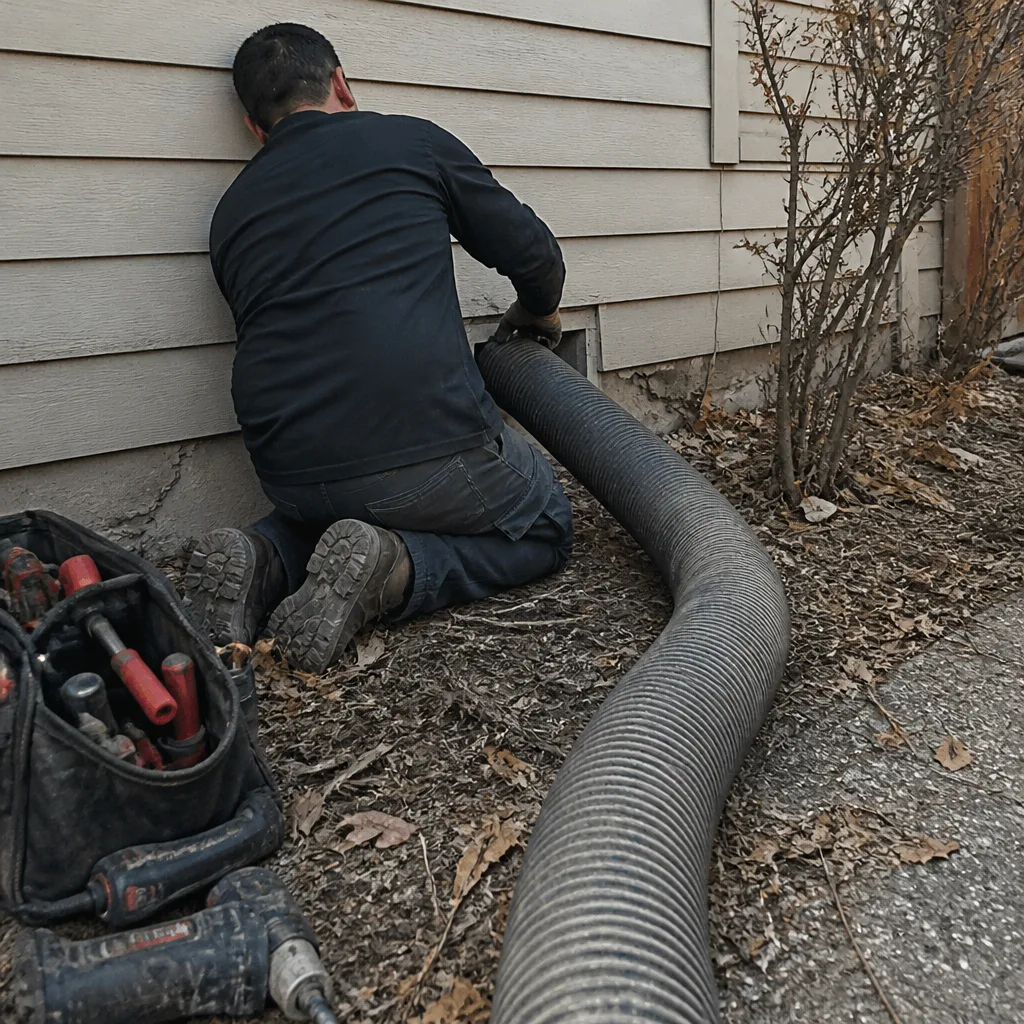 Before
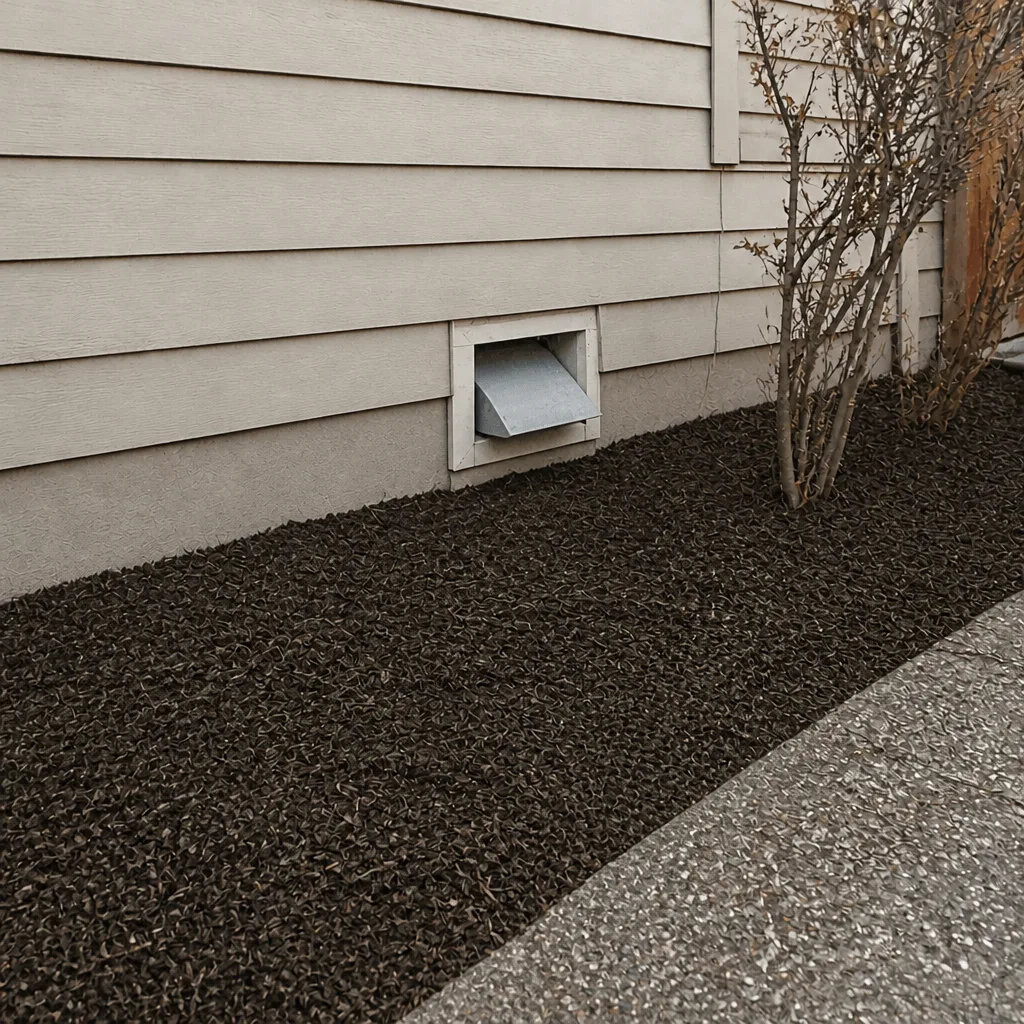 After
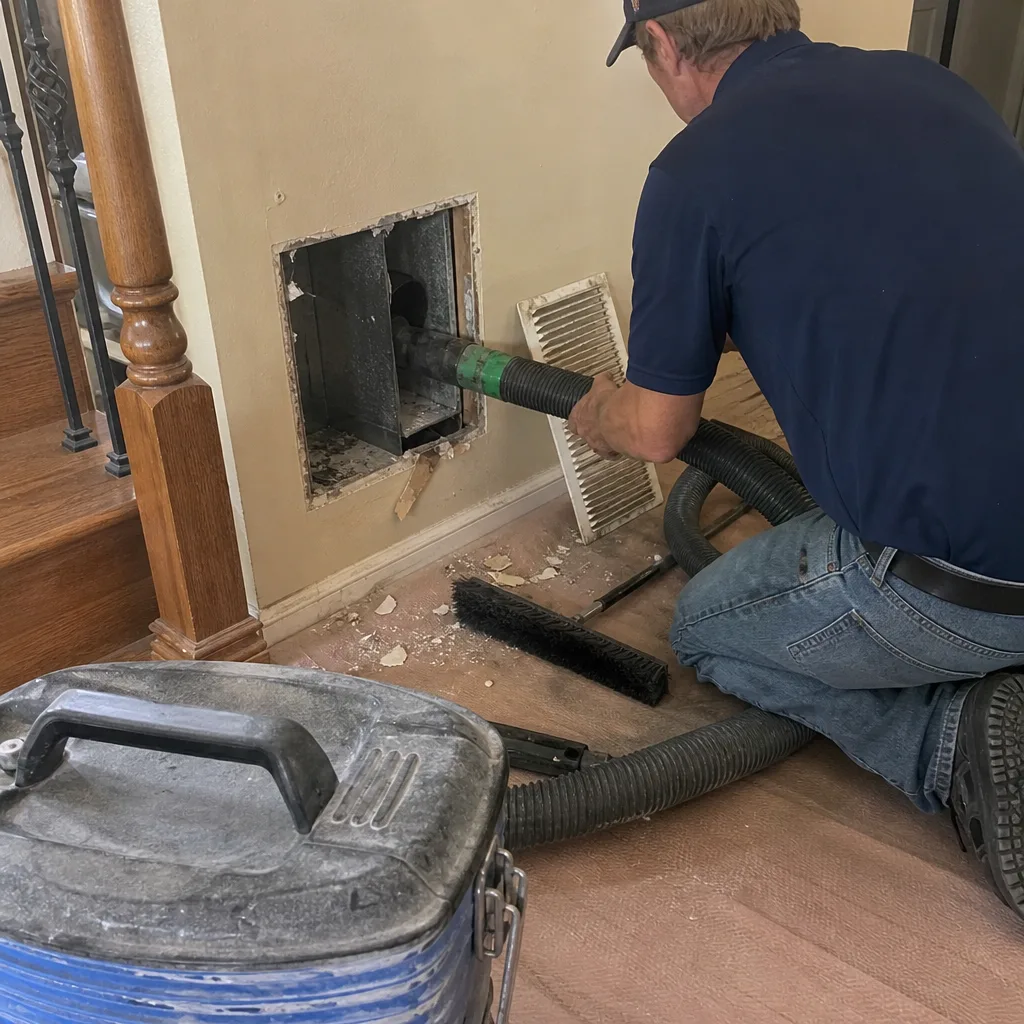 Before
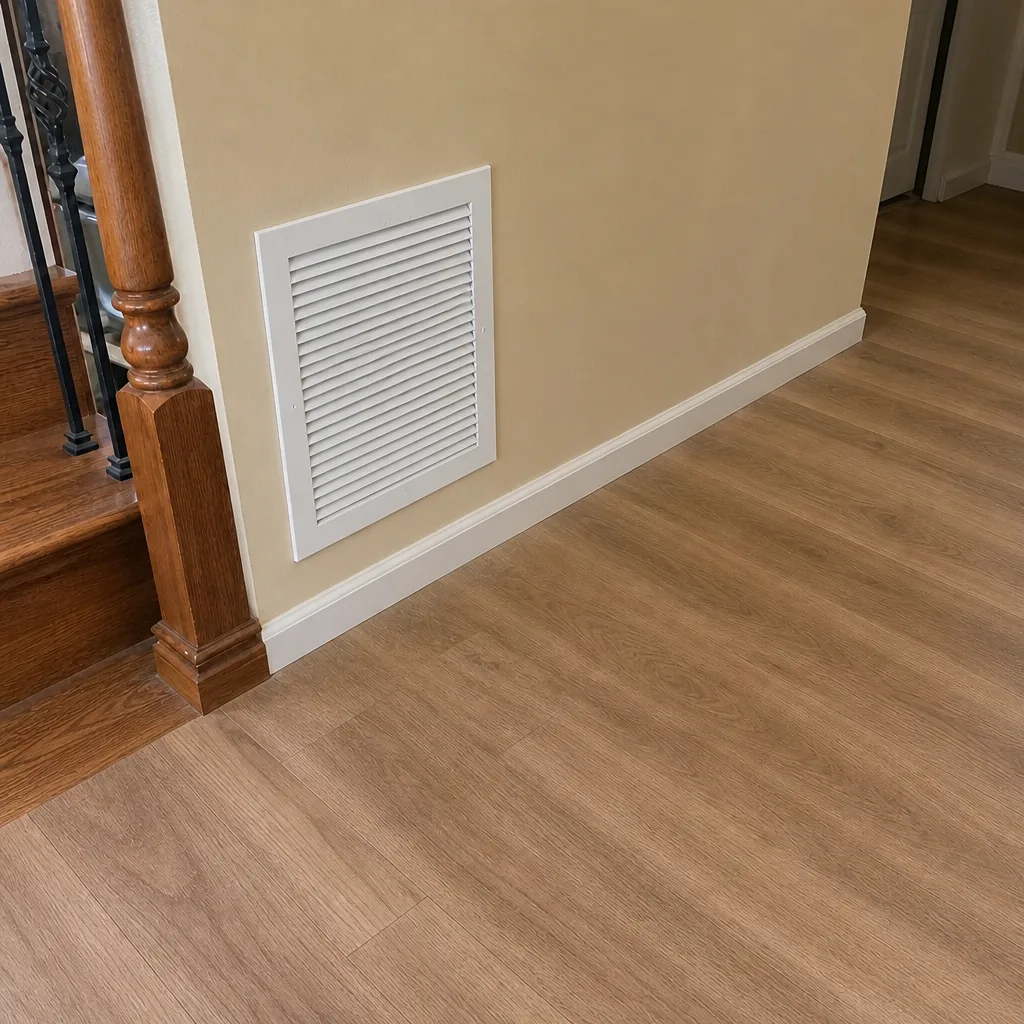 After
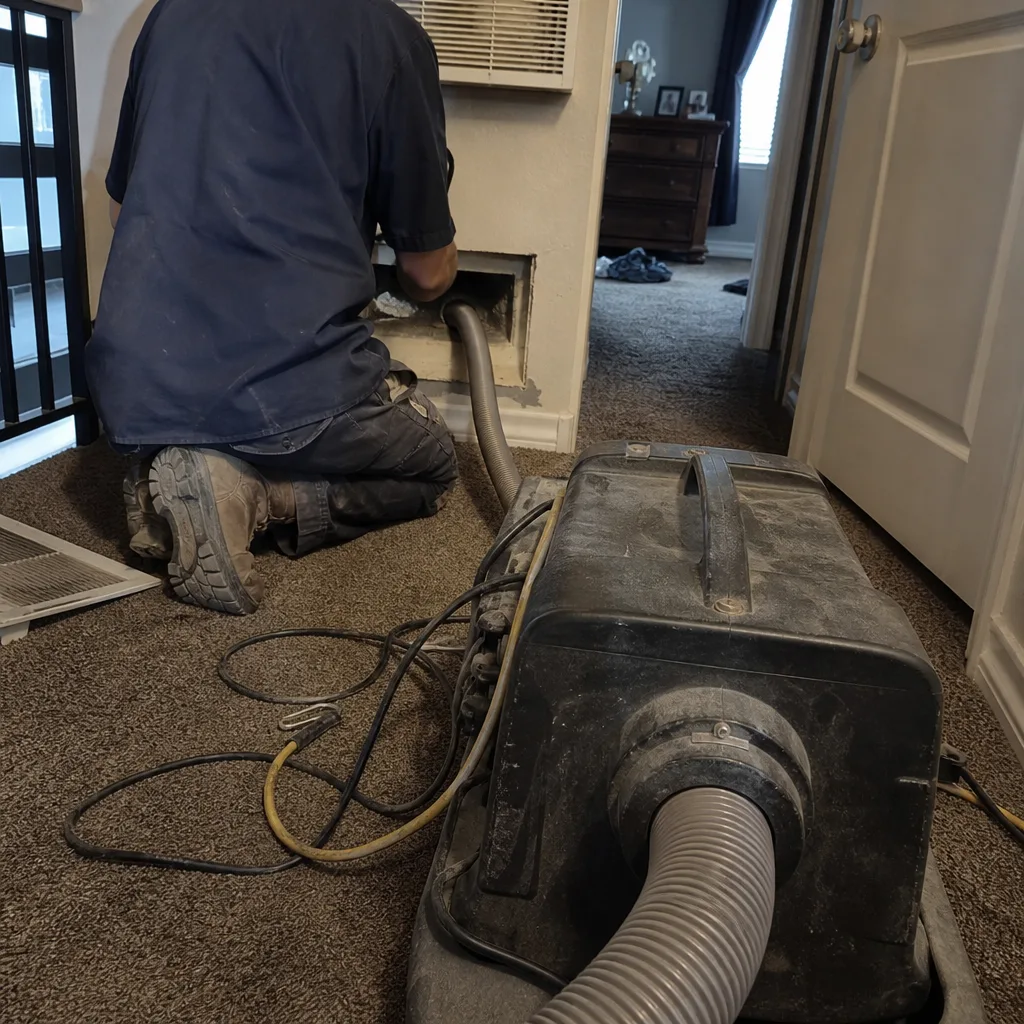 Before
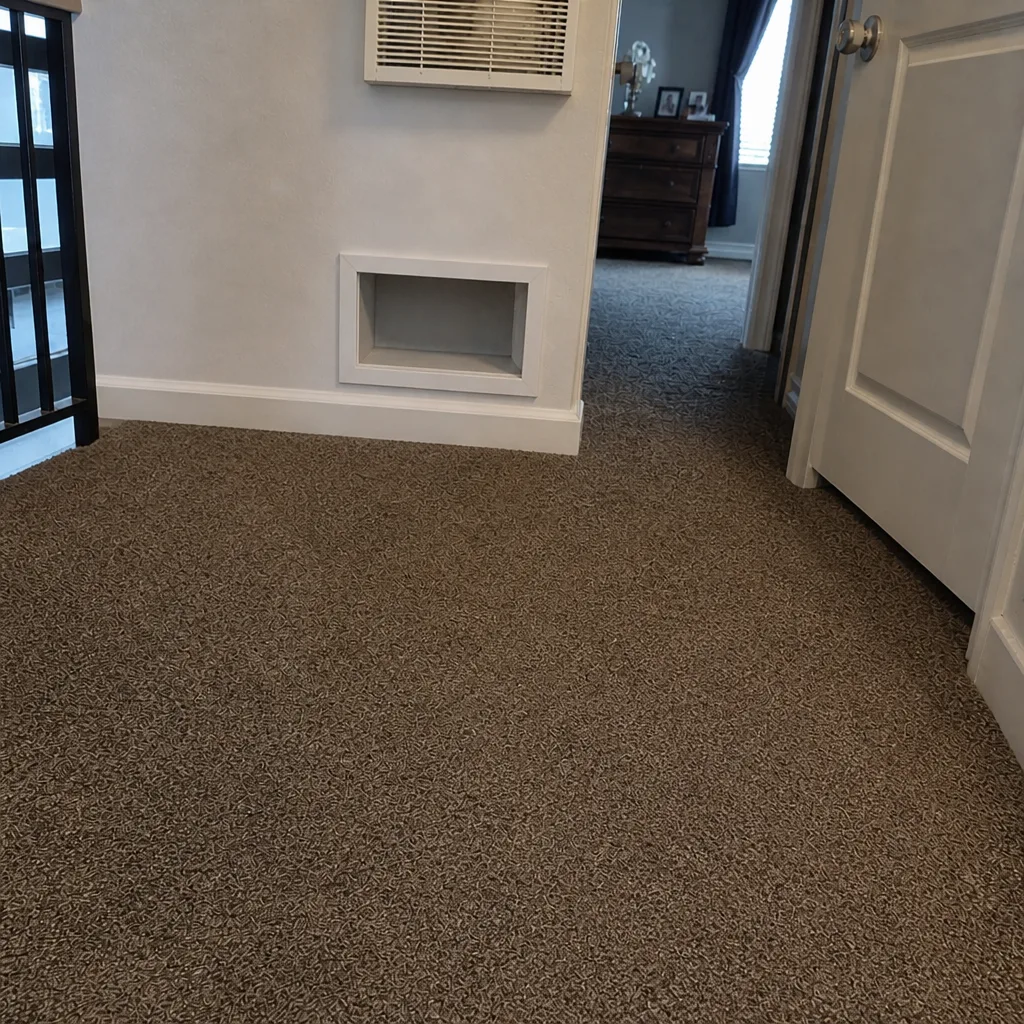 After
When to Call a Professional
Call a professional when the duct system has been exposed to smoke and the smell persists, when a felt earthquake has shifted any part of the ducting, when water has reached the ducts, or when you don’t know the state of the return plenum. Those four scenarios all involve work that consumer equipment can’t safely or effectively do: mechanical agitation of duct walls, HEPA-rated extraction, air scrubbing during the service, and the repair capability to correct what we find. We clean it and, if it’s broken, we fix it. Our technicians have up to 11 years of experience with Rotobrush and Nikro systems, and we deploy Abatement Technologies air scrubbers during service to contain displaced particles. Banner Air Duct Cleaning offers free estimates in Salt Lake City. Call (855) 752-4416. We answer 24/7. Fast dispatch from 7am to 7pm, Sunday through Friday.
Frequently Asked Questions
Air duct cleaning in Salt Lake City is priced per job, and the written estimate sets the final price after we see the system. We don’t quote a per-vent number or a teaser coupon, because the work is a whole-system job and the price depends on the size and layout of your ducts, not the register count. Call (855) 752-4416 for an exact quote – estimates are free.
Cheap quotes usually reflect consumer-grade equipment: a shop vac that recirculates fine particles back into the room, no mechanical agitation of the duct walls, and no air scrubbing during the service. We use Rotobrush rotary brush systems and Nikro HEPA-rated extraction, plus Abatement Technologies air scrubbers, so contaminants leave your home instead of being redistributed. The quote you compare should list the equipment. If it doesn’t, ask. Call (855) 752-4416 for a quote you can compare line by line.
You get before-and-after photos of your own ducts, not stock images. That documentation is the proof, and it doubles as the duct baseline you’ll want for a future insurance claim. Call (855) 752-4416 if you’d like to see how that documentation works.
Most homes in Salt Lake City don’t need cleaning on a strict calendar. What drives timing is events: a smoke event that leaves residue, a felt quake that shifts the ducting, water intrusion in a crawlspace, a construction project, a new pet, or a noticeable drop in airflow. Between events, keep the filter changed and have the return ducts checked for leaks. Call (855) 752-4416 if you’re not sure whether your system has crossed that line.
Lint accumulation in a dryer vent is a documented leading cause of residential fires, and it’s a real risk, not a marketing angle. A clogged vent also forces the dryer to run hotter and longer, and it wears the appliance out faster. Our dryer vent cleaning service treats it as the fire-safety job it is. Call (855) 752-4416 to schedule.
We handle air duct repair as a standalone service. We locate leaks, disconnects, and damaged sections, and we correct them. That includes the flex duct, sheet-metal trunks, and plenum connections that a cleaning alone can’t fix. Call (855) 752-4416 and we’ll assess what your system needs.
The Bottom Line
Emergency preparedness for your duct system in Salt Lake City is about the work you do before the event. Baseline photos and a layout sketch make an insurance claim faster. A small kit of filters, register seals, foil tape, and a moisture meter lets you isolate the system in the first hour. Confirming your return ducts and joints are sealed means your filter actually does its job during a smoke event. And a post-quake inspection before the heating season catches the quiet damage that a moderate shake leaves behind. Our team at Salt Lake City works with Rotobrush and Nikro equipment, plus Abatement Technologies air scrubbers, and we treat the job like remediation contractors do, because that’s the standard. Call (855) 752-4416. We answer 24/7. Fast dispatch from 7am to 7pm, Sunday through Friday.
Written by the team at Banner Air Duct Cleaning.